Graphic World

Categories
Post

Creativity and the Brain

Neuroscientists keep trying to unlock the mystery of what sparks visionary thinking and artistic invention.

It was 60 years ago, at the start of his career, but the architect and educator John P. Eberhard remembers the very moment the idea came to him for what would be his seminal creation: the modular church. He’d been approached to design a chapel for a new congregation in Champaign-Urbana—a kind of starter church that could be erected quickly, disassembled, and moved when the congregation outgrew it. “I remember having ideas roll around in my head about what it could be,” Eberhard recalls. “I remember when I got the big idea: visiting my parents, sitting in their bedroom, rocking in a rocker. All of a sudden, into my head came this whole idea of designing a chapel out of wood panels bolted together, with equilateral trusses, two-by-twelves with split-ring connectors, four-by-eight plywood panels. The whole idea was there.”

Out of that flash of insight came a business— Creative Buildings, Inc., which in the 1950s sold more than 100 prefab churches around the country—and a lifelong interest in the nature of creativity by Eberhard, former chair of the School of Architecture at Carnegie Mellon. His account of an idea’s arriving, fully formed, seemingly out of nowhere, corresponds closely with how at least one classical musician approached composing. While walking or resting, he wrote, melodies would come into his mind “whence and how, I know not,” taking root and growing until the piece “stands almost complete and finished in my mind, so that I can survey it, like a fine picture or a beautiful statue, at a glance.” The composer was Mozart.

Separated by hundreds of years and the gap between a successful professional and a world renowned genius, they describe in almost identical terms one of the most sublime and elusive events in human experience, the “eureka moment” of creativity. It has tantalized philosophers and poets, who imagined it could only come directly from God—Ibsen spoke of receiving “the spark of the divine fire”—and more recently scientists, who have begun looking for objective correlates to creativity in the brain, just as they do for perception, movement, and memory.

But they haven’t gotten all that far, according to Nancy Andreasen, author of The Creating Brain: The Neuroscience of Genius (2005). Nineteenth-century theorizing that linked creativity to traits such as left-handedness and stammering haven’t been borne out, and neither has the left-brain/right-brain distinction (the one on the right was the part you were supposed to use in artistic ventures) that sold so many magazines in the 1980s. Even the common-sense assumption that originality correlates directly with intelligence has been debunked: the consensus today is that success in a creative field requires a threshold IQ of around 120—equivalent to about the 90th percentile—but, beyond that, you don’t have to be an Einstein to be Einstein. One problem, Andreasen notes, is that modern neuroscience relies heavily on putting subjects in MRI machines that measure activation in different regions of the brain under specific conditions, but, once you get them in there, how do you detect creativity? Wait for them to compose a symphony or design a building in their heads?

Andreasen has done some of this research herself; as a neuroscientist at the University of Iowa, she is particularly well situated for it, since the Iowa Writers’ Workshop attracts a steady stream of poets and novelists to the campus, a resource she has been supplementing with visual artists whenever she can lure one. (She hasn’t had the chance to study an architect yet; anyone reading this with a few days to spare in Iowa can give her a call.) Her early work used stratagems to elicit creative activity, such as giving people five words and asking them to write a story around them. She decided it was a waste of time: the task didn’t engage them sufficiently; it activated regions of the brain involved in language processing, which didn’t seem to capture anything unique about the creative effort.

Eventually she concluded that there is no dedicated area for creativity in the brain, in the way that, say, the prefrontal cortex handles the planning and decision-making processes neuroscientists call “executive function.” Creativity is a function of forging relationships and making connections; it is a way of thinking in metaphors that cut across not just the psychological borders of the mind but the physiological boundaries of the regions of the brain. V.S. Ramachandran, a pioneering neuroscientist at Cambridge University, discovered that artists, poets, and novelists have seven times the normal incidence of synesthesia—the peculiar phenomenon in which one form of sensation (hearing a passage of music, for instance) is experienced as another (a particular color or smell). In The Architect’s Brain: Neuroscience, Creativity and Architecture (2009), Harry Mallgrave relates this finding to architecture, quoting a disciple of the late Venetian architect Carlo Scarpa, who believed he “worked entirely through a synesthetic process that entailed, on the same pages of sketches, different colors and styles of drawing with different media. It was through these ‘bundles of intertwined sensory perceptions’ … that Scarpa was able to modulate his multisensory ideas—say, red of a waxy pencil from the red of a brick from an identical red of India ink.”

The parts of the brain that seem to show more activity in creative people (compared to Andreasen’s control subjects) are the “association cortices,” regions that are markedly more developed in humans than other animals and also among the last to mature, continuing to develop into the early 20s. Their function is to process the output of the primary sensory areas, identify phenomena, and make connections among them. How do we see a face? The retina receives light and transmits nerve impulses; the primary visual cortex resolves these into a form, with shape and color; the visual association cortex recognizes and categorizes it and compares it to a summer’s day.

And it is these areas, Andreasen found, that are most active during the condition she describes as “randomly wandering unconscious free association”— the condition described by Eberhard, rocking quietly in his parents’ bedroom, Mozart strolling through the streets of Salzburg, or the 19th-century chemist August Kekule dozing off in front of the fire and waking with the structure of the benzene molecule dancing in front of his eyes.

Of course, dozing by itself isn’t enough to guarantee immortality. The eureka moment, as described by Andreasen and others, is only the third of four steps in a creative process: preparation—acquiring the basic background knowledge to make a contribution to a field; incubation—trying out various ideas and approaches; insight— the sudden apprehension of a solution; and production—putting the idea into practice. Naturally, insight gets most of the attention from researchers, and it’s the part that aspiring artists tend to focus on, as having the highest ratio of psychic reward to effort.

But even Mozart needed to study and practice, despite his phenomenal and precocious natural gifts. In fields less abstract than music—such as physics or architecture—that is especially true: almost any idea in science, however original, must at least partially fit into the framework of existing knowledge, and a building has to stand up. “Creativity is a process of focusing on something with discipline, of training the brain to think while working,” says Mallgrave. Faced with a difficult problem, “we sleep on it, take a shower, and suddenly we have an answer to where to put that door.”

Ah, yes, the eureka moment, the idea flitting at the edge of our consciousness, just beyond our apprehension. It will come to us when we are prepared to receive it—though it often comes with a price; the idea that creativity bears a relationship to mental illness is not without foundation, says Andreasen. The characteristic affliction is mood disorder, which she finds extremely common among the writers and artists she has studied, in their siblings and offspring, and in the historical record. Among her first subjects was Kurt Vonnegut, who suffered from depression, and whose immediate family had both a high incidence of mental illness and creativity in numerous fields. (His father was a successful architect.)

And there is at least a metaphoric connection, if not a definitive statistical one, between creativity and schizophrenia, both of which involve a state in which mental lines break down and free association reigns. Researchers at Berkeley back in the 1950s and ’60s administered the standard test of mental health, the MMPI, to writers and architects who were considered especially creative and found they scored suspiciously high on the scales of schizophrenia and paranoia. But, as the Harvard psychologist Shelley Carson points out, in an essay with the provocative title “Creativity and Psychopathology,” that reflects a tendency, not an actual diagnosis. Patent schizophrenia is incompatible with productive work in most fields, especially those whose end products have to meet safety and fire codes. The other mental state characterized by hyper-free association is, of course, the one we enter into when we take drugs. Perhaps the most celebrated eureka moment in history was the opium-induced dream of Samuel Taylor Coleridge, out of which came the psychedelic thunderstorm of the opening stanzas of “Kubla Khan.” It was a dream, of course, about architecture.

Did you enjoy this article?
Categories
Post

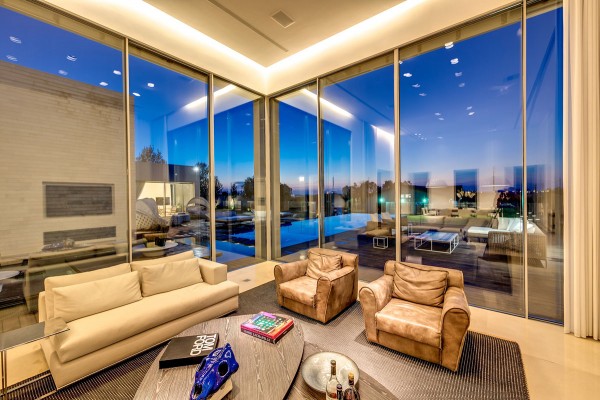
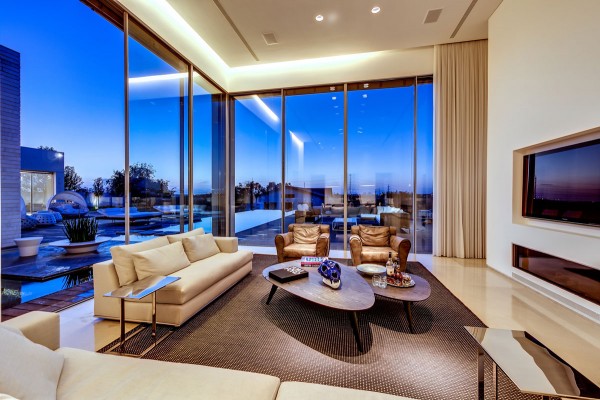
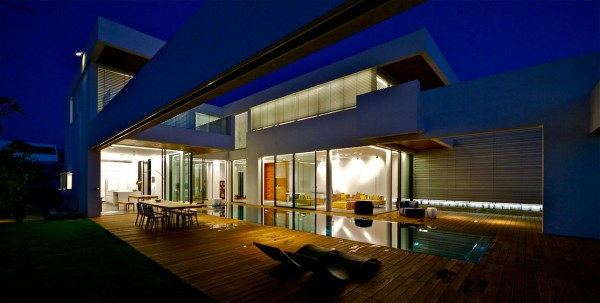
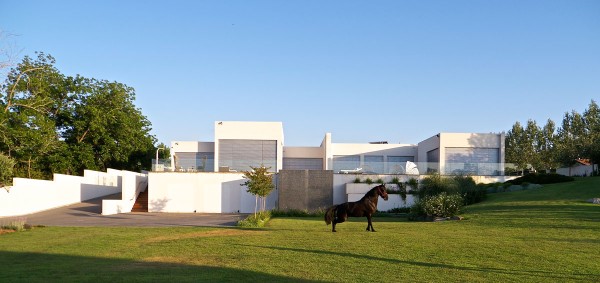
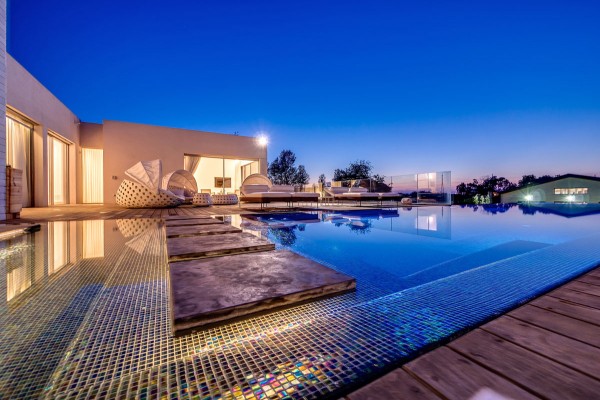
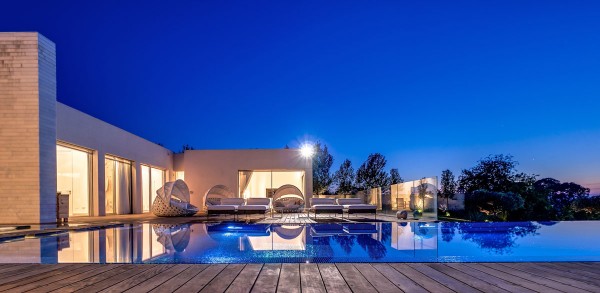
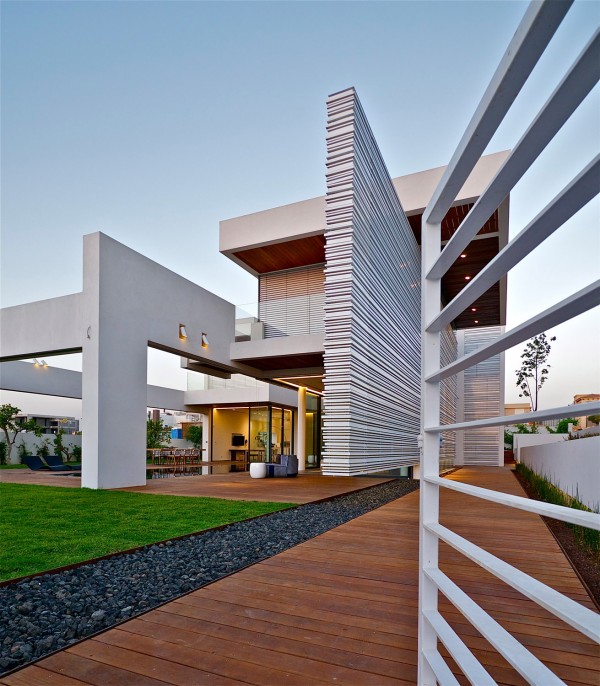
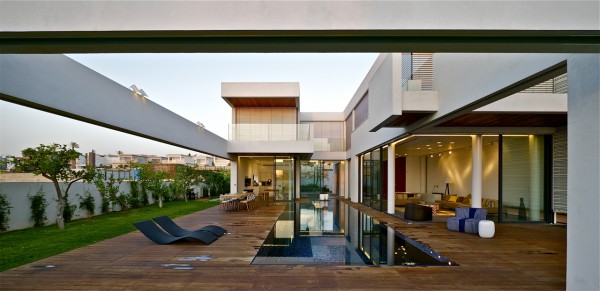
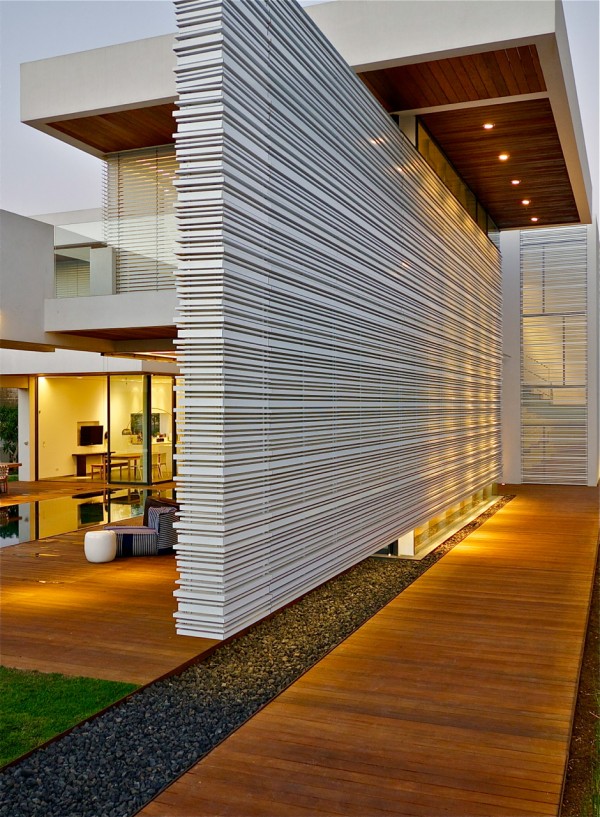
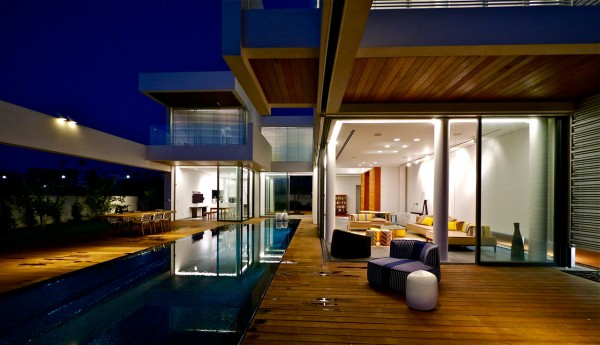
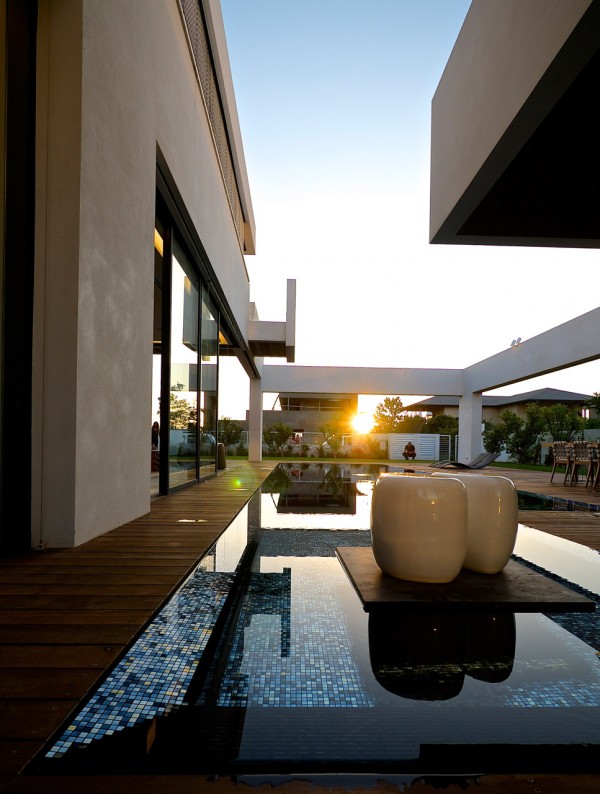
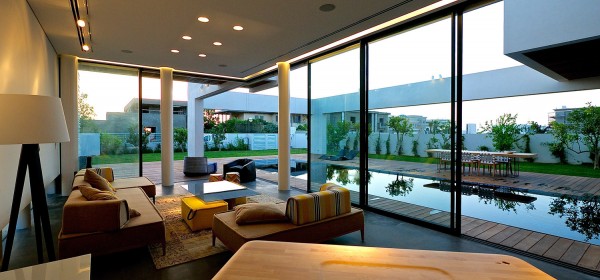
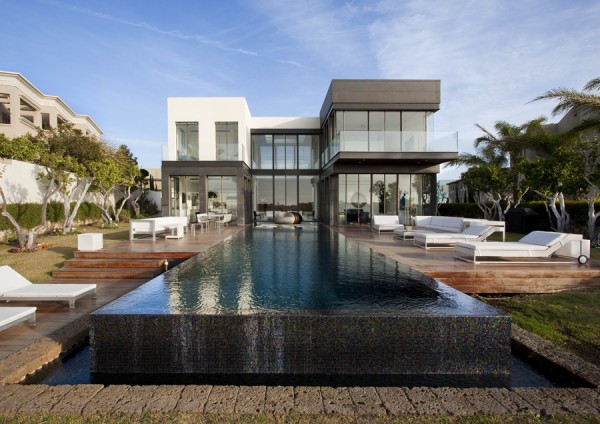
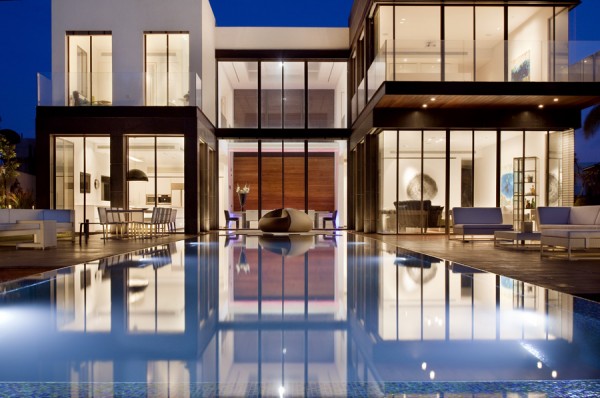
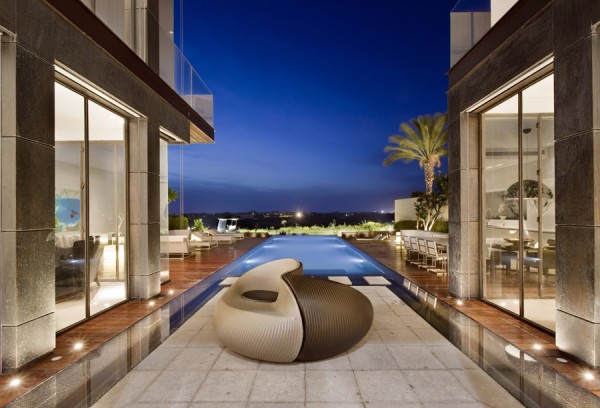
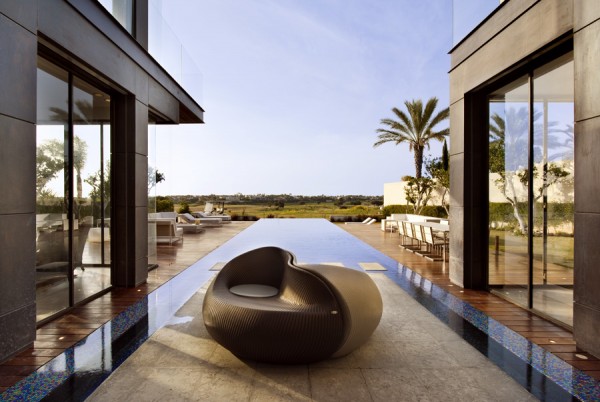
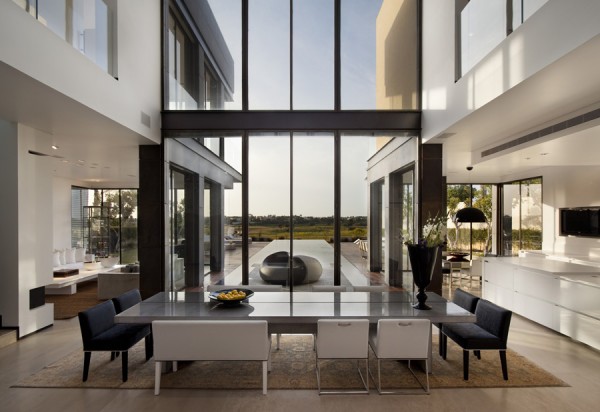
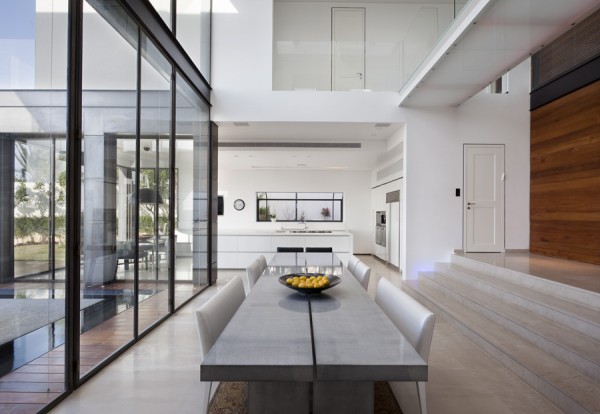
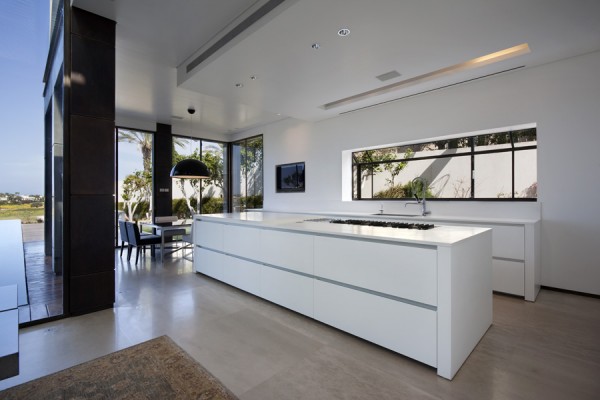
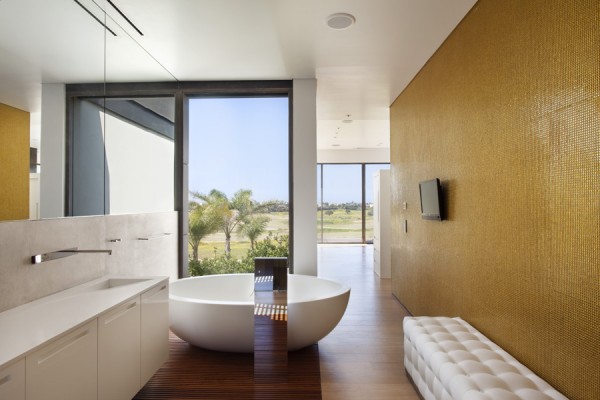
Modern Luxury Villas

Modern Luxury Villas

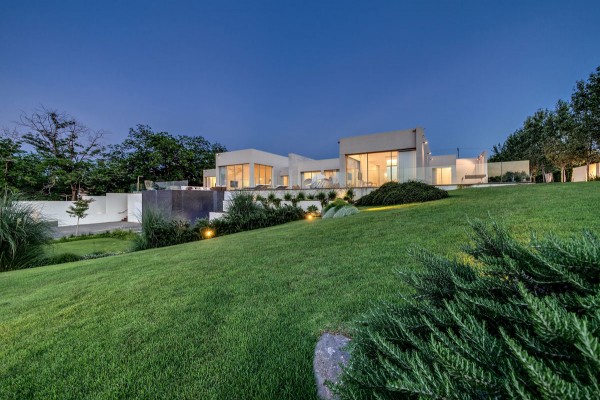
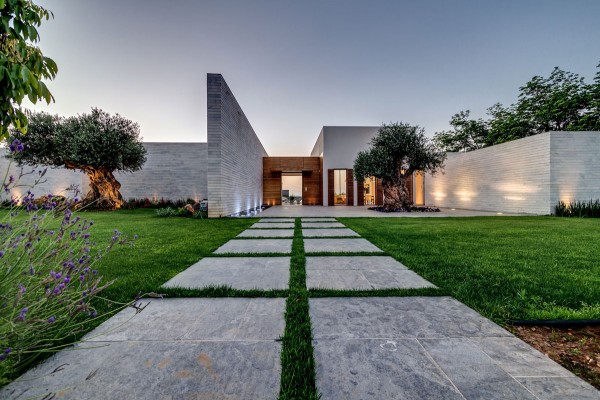
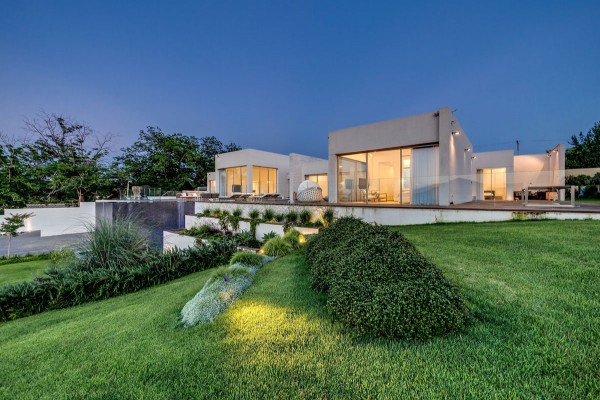
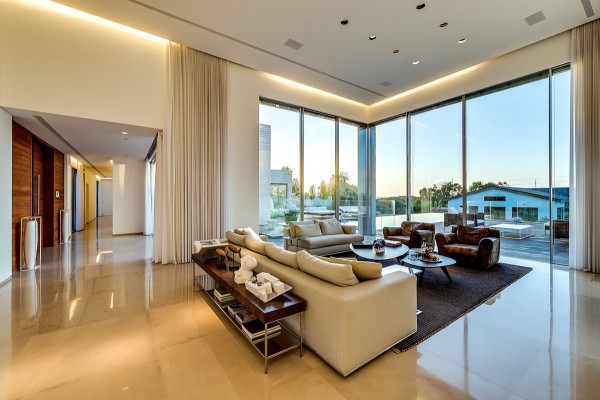
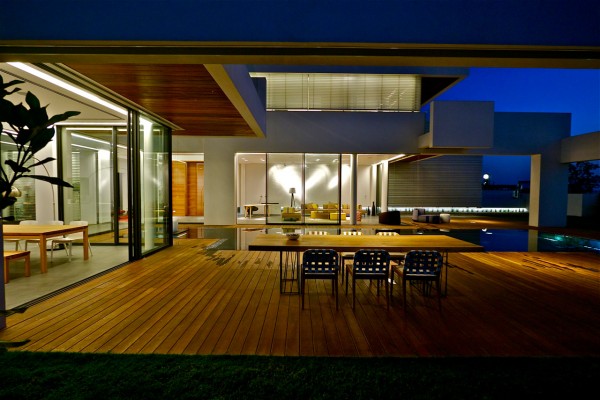
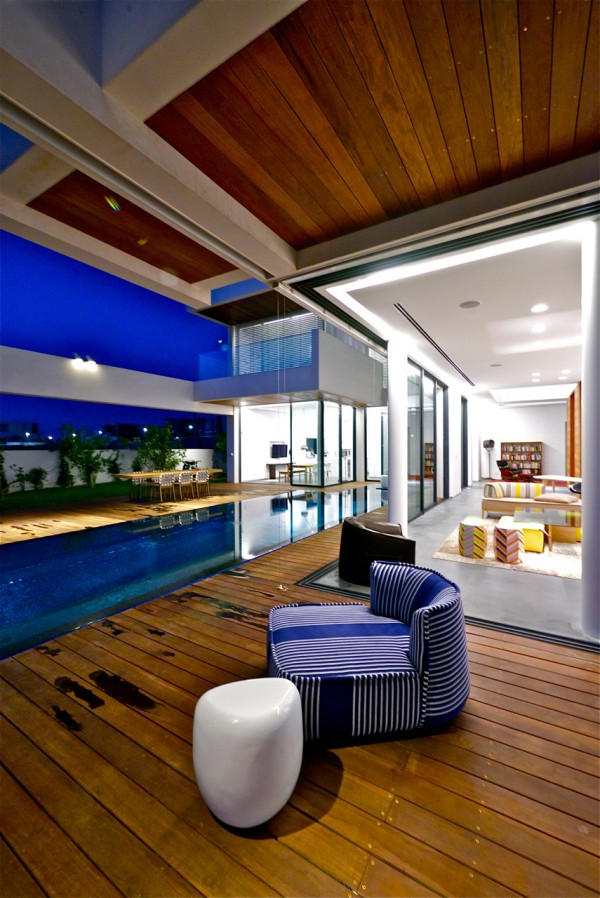
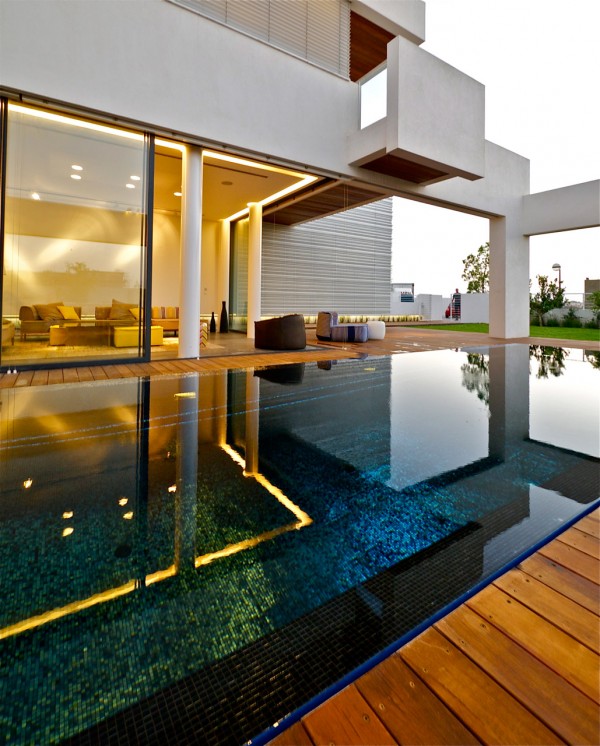
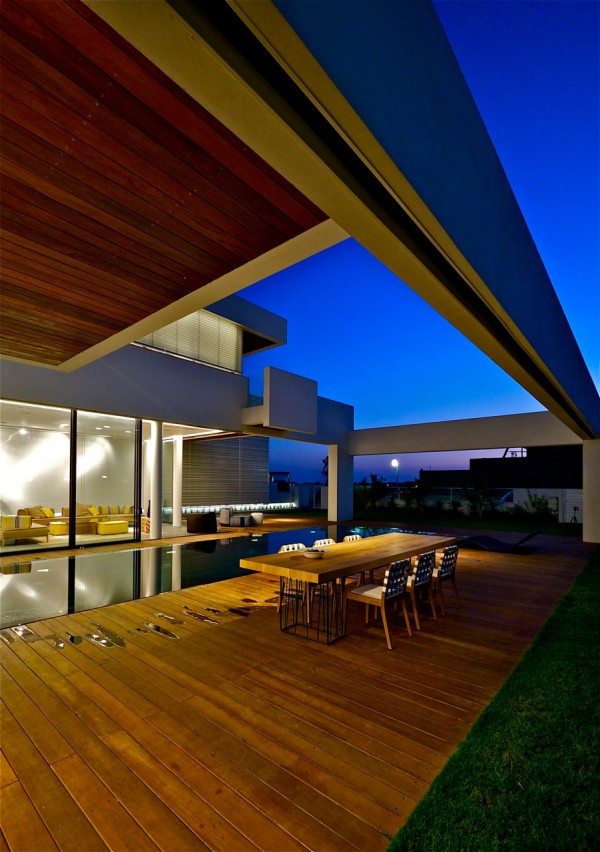
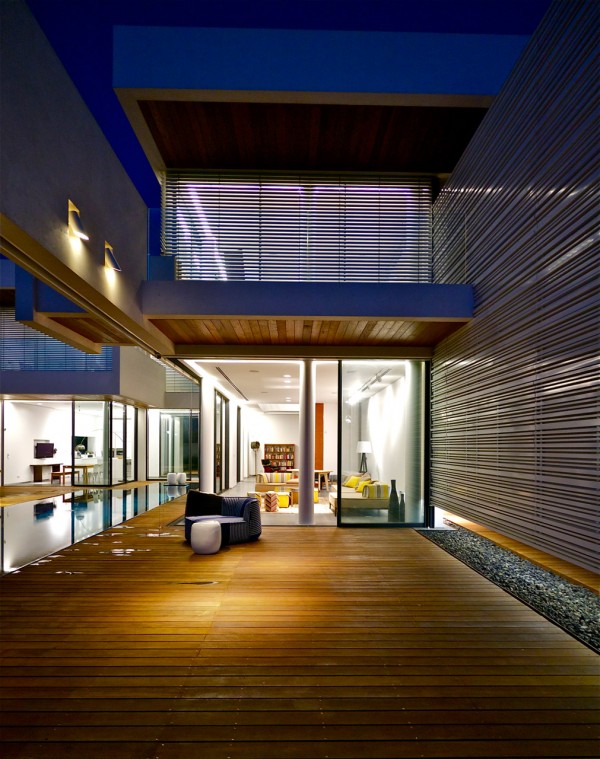
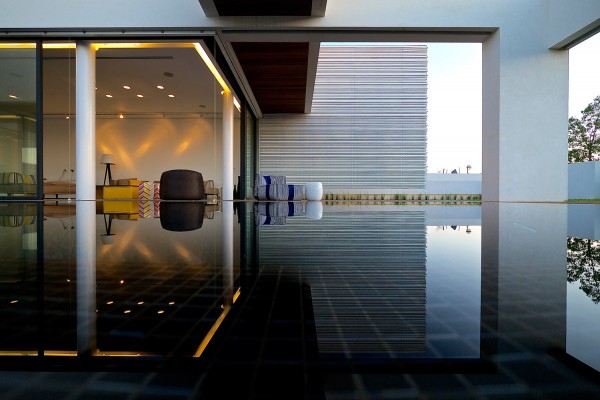
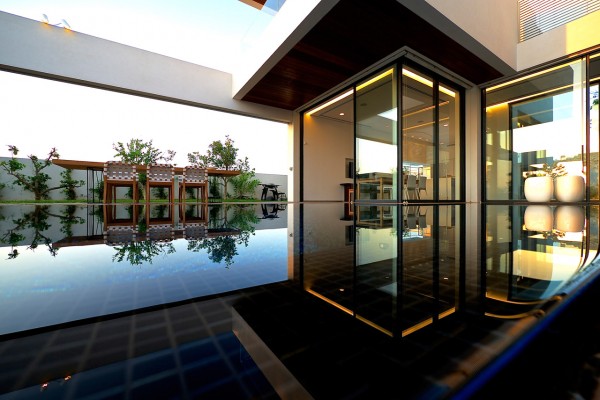
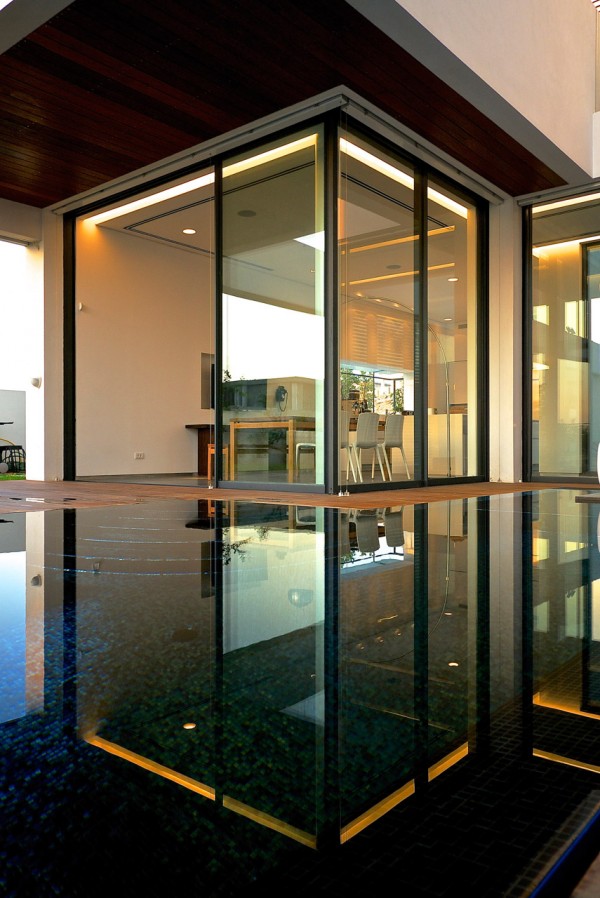
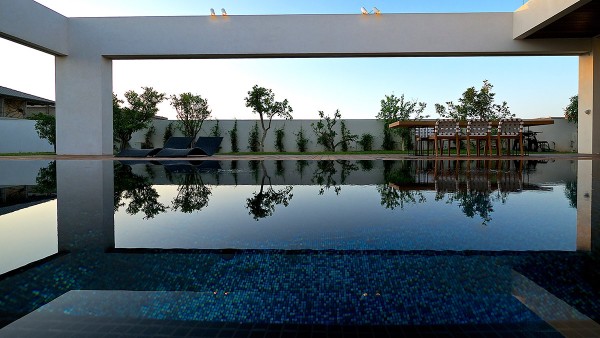
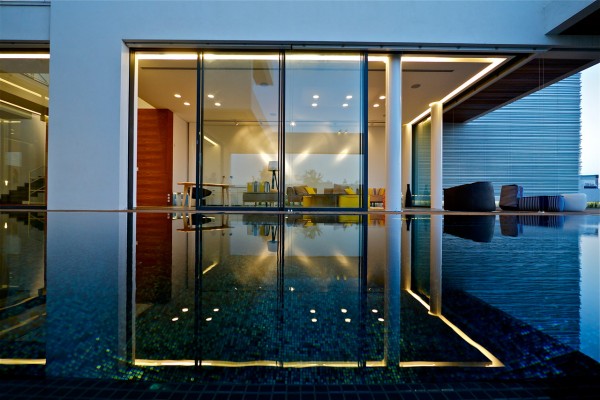
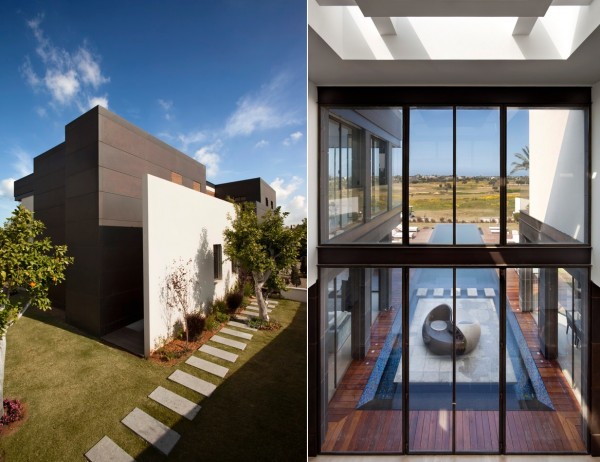
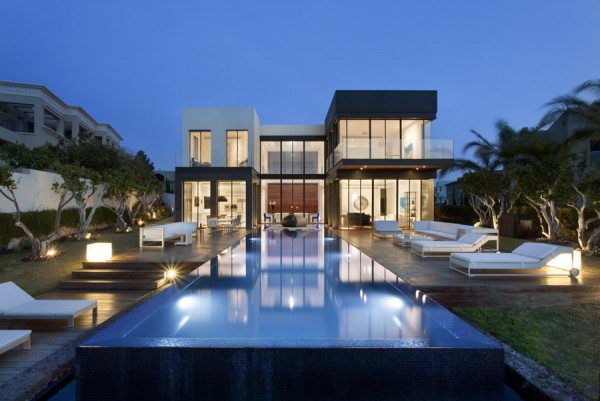
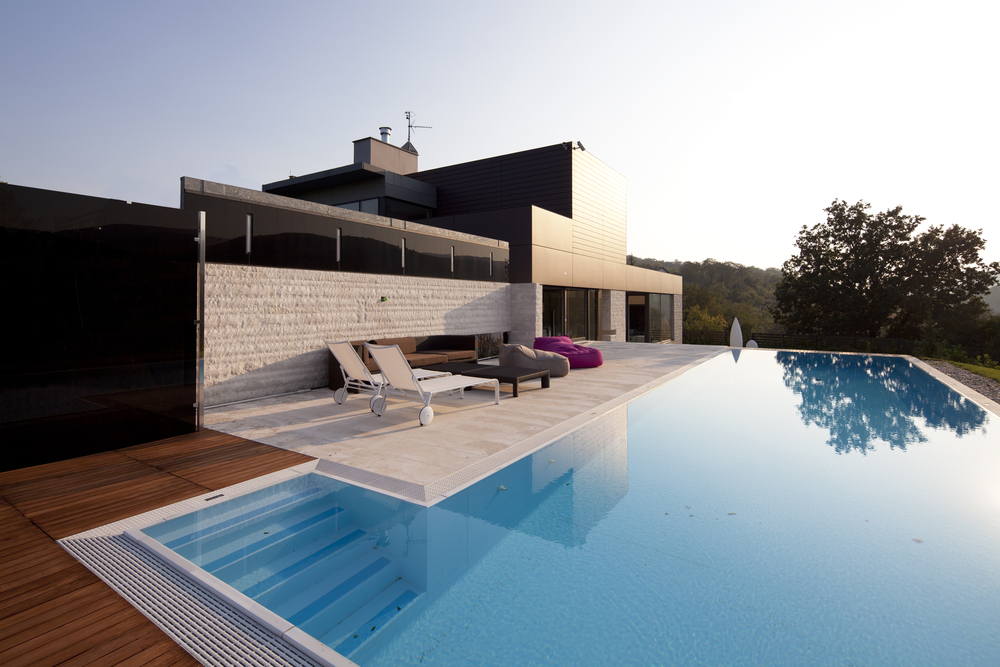
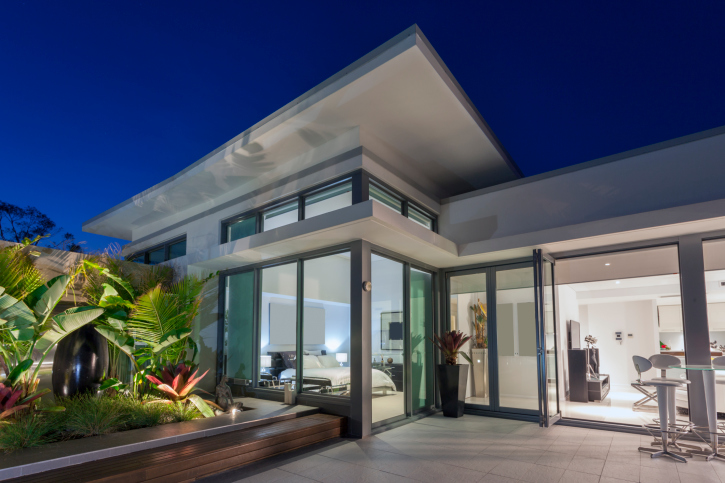
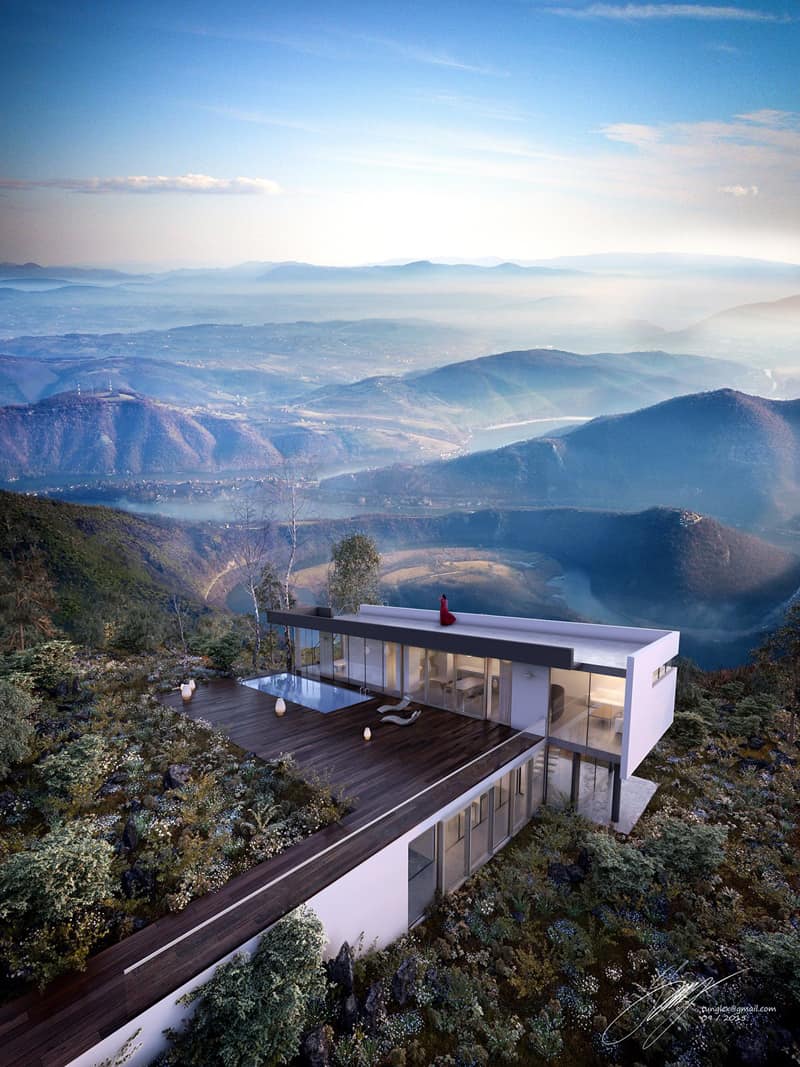
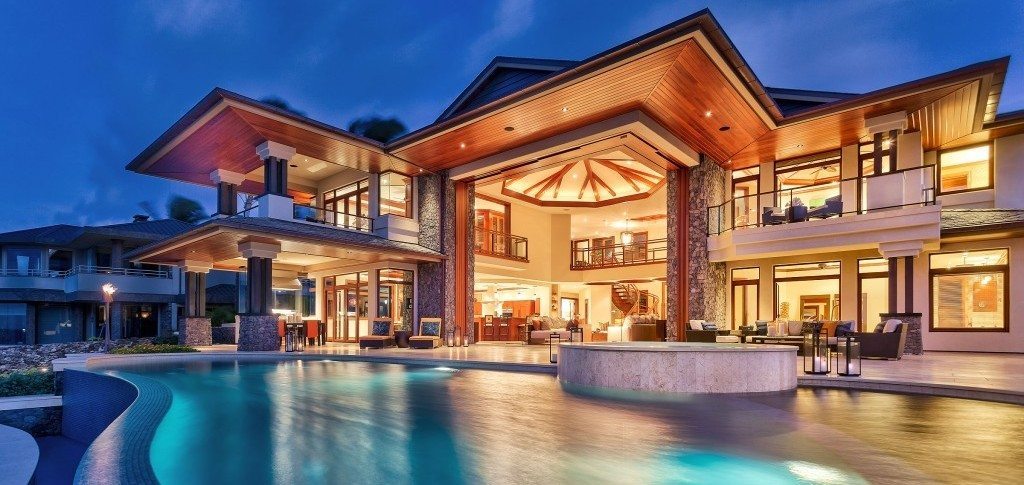
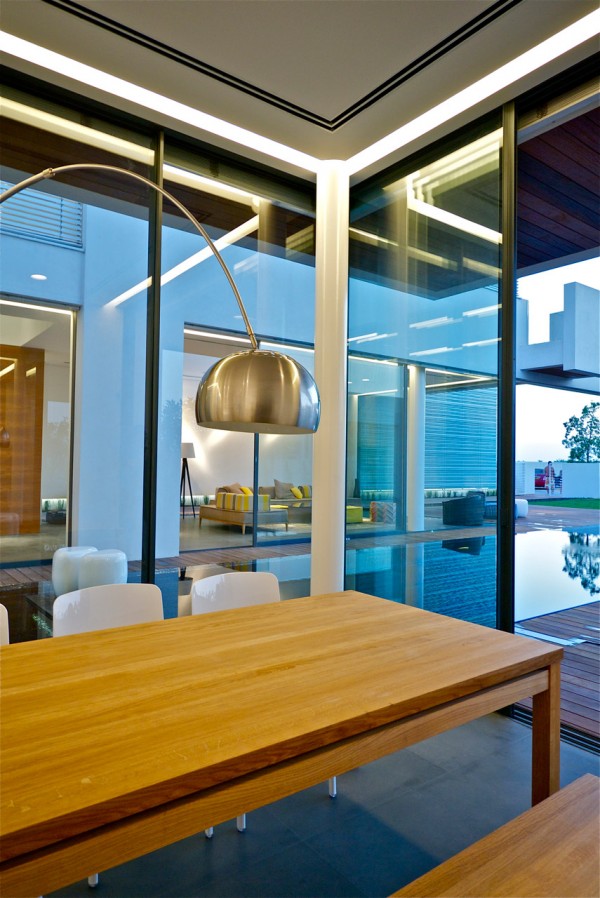
Clean modern lines, floor to ceiling glass windows, plenty of ventilation, expansive pools, and beautiful landscape seem to be the characteristics common to most of their designs.

Did you like this article?
Share it on any of the social media channels below to give us your vote.

Your feedback helps us improve.

Categories
Post

Plans and elevations

Plans and elevations

Discover the Design For Place features and specifications, and download the plans and elevations.

If you decide to build, adapt or use Design For Place for your project get in touch. We are keen to collect your stories, pictures and videos to share on the site—and hope to provide options to interact with other users building with Design For Place soon.

Design features

Design For Place showcases sustainable, modern design. The architect-designed house plans feature a large main bedroom with a generous walk-in-robe (WIR) and ensuite. There is also an open plan living and kitchen area with cathedral ceilings, bathroom and laundry. The flexible, functional floor plans are available for longer blocks in two size options: 3 bedroom plus study (Option 1A) and 2 bedroom plus study (Option 2A), both include a single car garage.

3 bedroom with study floor plan

Features include the dramatic ceiling line, extra highlight windows, and generous room sizes including a study capable of accommodating two adults working together. The study can also be used as an additional bedroom.

If your block has north to the street a 3 bedroom + study courtyard house (Option 3A), is also available (floorplan only). Central courtyards assist in providing opportunities for north-facing glazing on the majority of living spaces, you will need to develop elevations and full plans for this option.

Other features include:

  • Reverse brick veneer construction in selected locations and a burnished concrete slab to give high levels of internal thermal mass.
  • Significant amounts of good quality north-facing glass to provide high levels of natural light in winter and a good connection to outdoor living spaces.
  • Open, generous living spaces that provide some flexibility in furniture arrangements and a good sense of liveability.
  • Large overhangs and eaves in appropriate locations—these can be adjusted in size to respond to different climate conditions where needed.
  • Sun-hoods to east and west windows to assist in control of solar gain in summer.
  • Openable windows and doors on multiple sides of most rooms to allow for good levels of natural cross- ventilation.
  • High openable windows over north-facing sliding doors to allow for night-time flushing of hot air when required.
  • Generous bedroom sizes to provide options for bed sizes and inclusion of desks if desired.
  • Good opportunities for integrated storage, including significant storage in the garage.
  • A combination of lightweight and masonry external cladding to provide additional interest to the exterior.
  • A southern courtyard that can be used as a refuge in summer and assist in cross-ventilation of main living spaces when required.

The 3 bedroom + study (Option 1A) is a single detached dwelling suitable for a typical suburban block of just over 500m2, with north to a side boundary. The design is aimed at providing a compact, energy-efficient and flexible home.

The 2 bedroom + study (Option 2A) is a single, detached dwelling suitable for a typical suburban block of just over 500m2, with north to a side boundary. The design is aimed at providing a compact, energy-efficient and flexible home that appeals to families and ‘down-sizers’.

For details of all the materials and finishes view the full specifications.

The key features of Options 1A and 2A are:

Design specifications
Option Bedrooms Study Garage Bath Area (m2) Garage (m2) Total area (m2)
3 bed + study (1A) 3 1 1 2 172 22 194
2 bed + study (2A) 2 1 1 2 141 28 169
Categories
Post

Luxurious Interior Design Is Not About Showing Off

Luxurious Interior Design Is Not About Showing Off

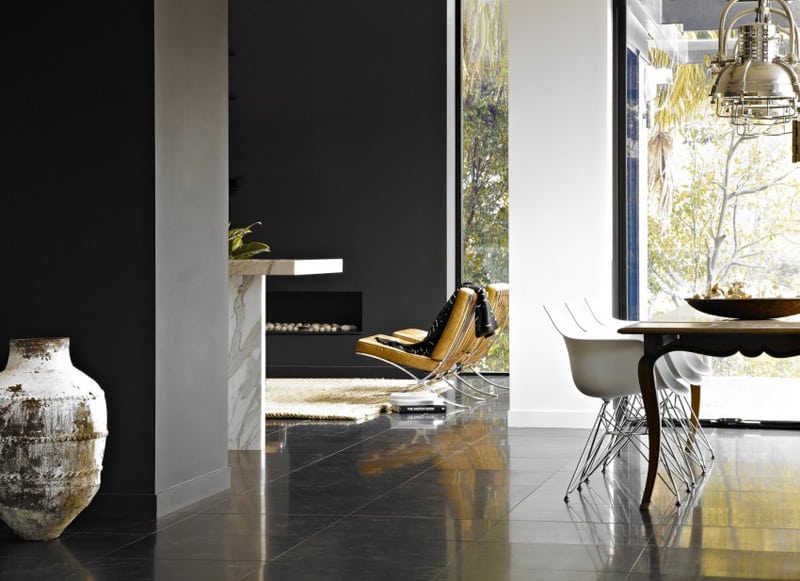
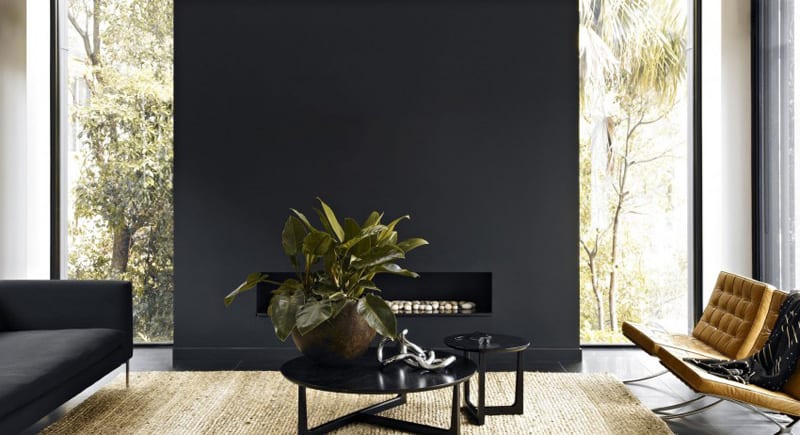
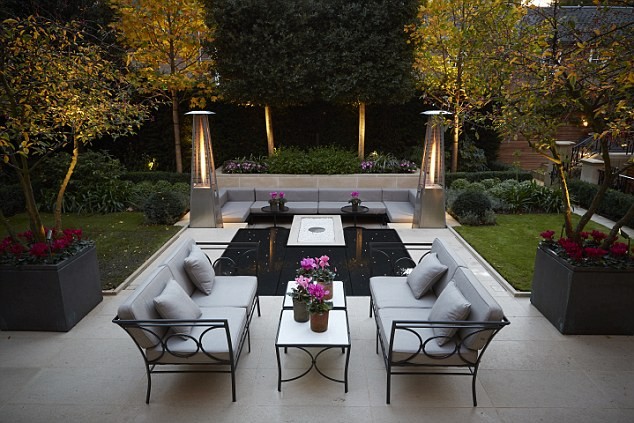
A luxurious interior design is usually associated with expensive items of furniture, opulent finishings and all that goes around the lexical field of extravagance. But, when analysed honestly, a home wears the style when it lacks vulgarity. Realised by Les Interieurs, the dwelling in the gallery below is imposing, elegant and very inspiring for those who want to live sophisticatedly. But, before checking the elements of this luxurious interior design, a short note: what makes the inhabitants feel rich at home is its generous open spaces. When there is room for everything, you experience a comfortable feeling of relief and, why not, satisfaction. Add high quality furniture and original objects d’art and you will have what is called luxury.

Photo: Les Interieurs

Luxurious Interior Design Is Not About Showing Off   DesignRulz.com

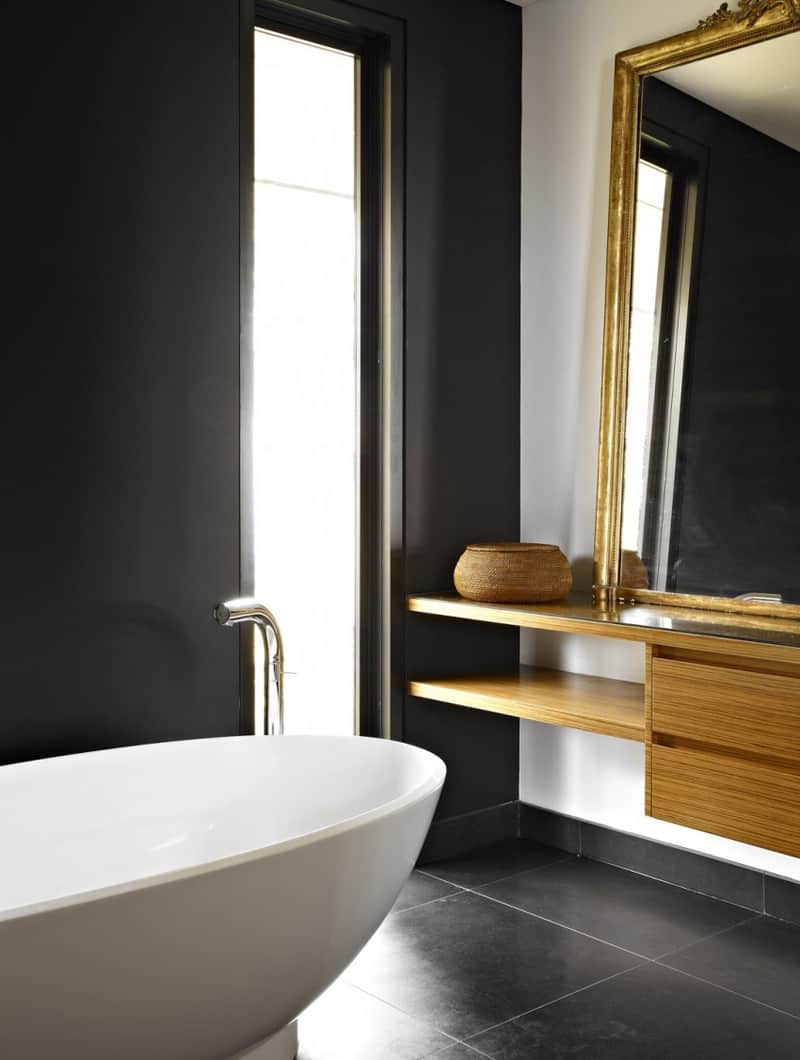
Black is the colour of the luxurious interior design. It works splendidly for textures, ceramics and leather.  

Luxurious Interior Design Is Not About Showing Off   DesignRulz.com Luxurious Interior Design Is Not About Showing Off   DesignRulz.comLuxurious Interior Design Is Not About Showing Off   DesignRulz.com Luxurious Interior Design Is Not About Showing Off   DesignRulz.comLuxurious Interior Design Is Not About Showing Off   DesignRulz.com Luxurious Interior Design Is Not About Showing Off   DesignRulz.comLuxurious Interior Design Is Not About Showing Off   DesignRulz.com Luxurious Interior Design Is Not About Showing Off   DesignRulz.comLuxurious Interior Design Is Not About Showing Off   DesignRulz.com Luxurious Interior Design Is Not About Showing Off   DesignRulz.comLuxurious Interior Design Is Not About Showing Off   DesignRulz.com Luxurious Interior Design Is Not About Showing Off   DesignRulz.comLuxurious Interior Design Is Not About Showing Off   DesignRulz.com


Categories
Post

32 Modern Home Designs

 Here is a photo gallery of 32 modern home designs that exhibit extraordinary architectural and design talent. Diverse design. Easy-to-scroll gallery.

Geometric top-heavy concrete home built on edge of steep slope

Welcome to our photo gallery of 32 modern home designs.

I remember viewing my first modern home that was built in the smallish town where I grew up.  There is a mountain on the east side of town where large homes were built.  It was the premiere neighborhood in our town because the views are incredible.

Far up the mountain in the late 80’s a family built a modern home that deviated from the usual West Coast style of homes that were popular on the mountain.  The sparkling new white cube-style home with cliff-edge pool shone like a jewel on the mountain.  I was smitten… and often went up the mountain to enjoy the views and the homes.

Our modern home designs gallery below features a range of modern homes with respect to design and architecture.  Some of our featured homes are truly modern in the strict sense of the word while others are contemporary in design.

Top-heavy geometric concrete home in daylight
Image 2: Top-heavy geometric concrete home in daylight
White modern home built with straight lines with large backyard pool
Sprawling one-story modern home with extensive backyard pool


Click here to view another luxurious modern home!

Concrete modern home built into a small hillside
Large contemporary 3-story home on cliff-side built on concrete stilts with multiple decks
White multi-story ultra modern home on extensive slope with garage entry on the bottom
White modern home with dark windows on large grass lot with in-ground swimming pool
1-story modern contemporary home with wood pillars and large courtyard swimming pool
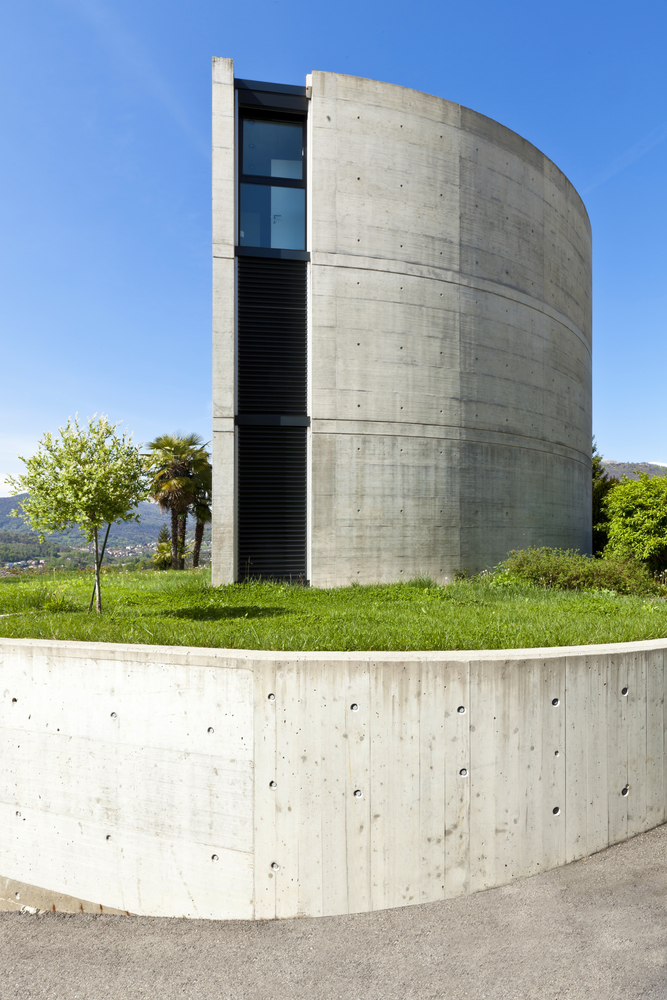
Concrete tower home
Concrete tower home
3-story heavily windowed contemporary home with multiple decks
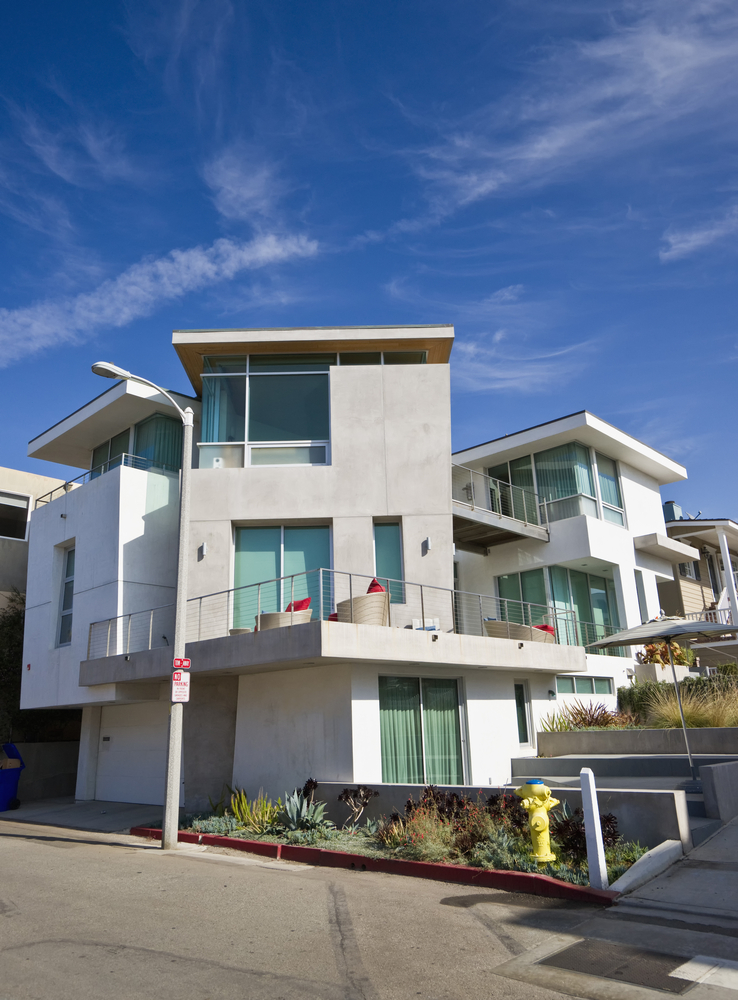
Vertically rambling geo-shape white modern home built on sloped street
Modern brick and wood home with floating patio over swimming pool
Rectangle straight-lined modern home with large grass backyard and long lap swimming pool
White home with floor-to-ceiling glass built on hillside
West Coast modern wood and glass home with garage entry below the home
West Coast modern wood and glass home with garage entry below the home.
Modern grey home in vertical L-shape with large backyard patio
3-story towering modern home with extensive windows and loft ceiling on third floor
2-story white and grey modern home with lap pool and wood deck
White geometric ultra modern home on large grass lot with trees in the background
Large white modern home with floor-to-ceiling windows
Modern wood and glass home on flat grass lot with extensive windows on ground floor
Large rectangle modern home in white with extensive windows on ground floor and large backyard swimming pool

We love the gorgeous pool in the above shot….click here to see more fabulous backyard swimming pool designs and ideas!

4-story white modern home built on rocky slope on the ocean.
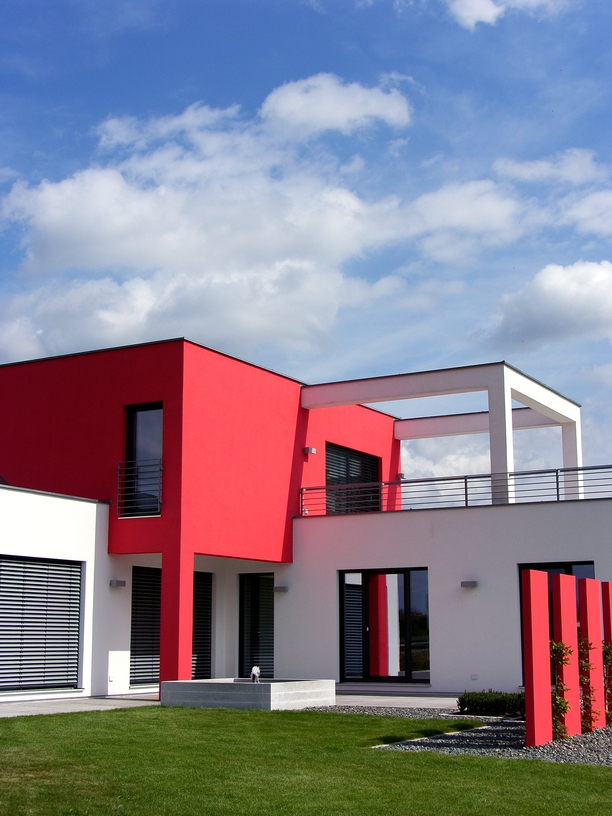
Red and white modern home built in a series of cubes with large upper floor roof-top deck
White modern home with lap pool and wrap around wood deck

Don’t miss our special gallery on wooden decks for more great ideas for your outdoor space!

Large 2-story modern beach house built on sand dune with wrap-around deck and green roof

See another gorgeous cliff-side project from one of our partners!

Modern mansion in white with large closely cropped grass yard situated at the base of mountain
L-shaped modern home with pool in the crook of the L and large 2-story wrap-around deck
3-story white modern home design on the beach in the tropics with palm trees in the front yard
Modern home design illuminated at night. Home is cube-shaped
4-story white all-glass modern home cascading down the slope of a steep hill with ocean views

2-story modern prairie style home with large great roomThe above home is a good example of modern prairie style.  The center of the home is the massive great room with the towering 2-story window

Categories
Post

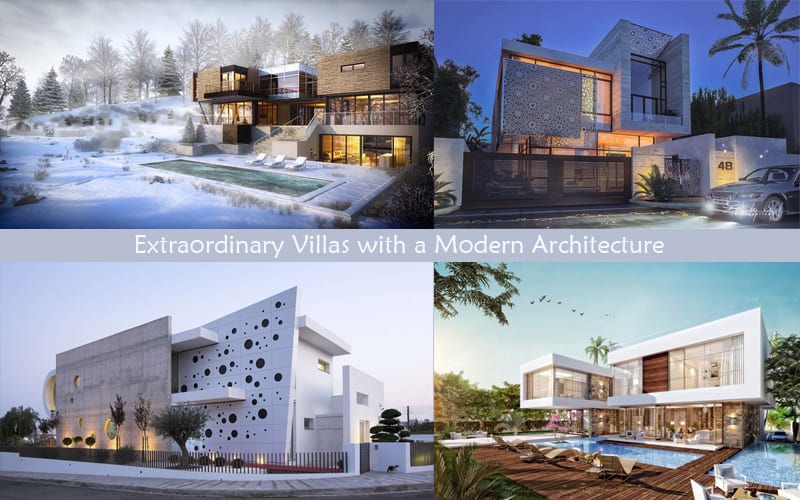
A Set Of Extraordinary Villas with a Modern Architecture

A Set Of Extraordinary Villas with a Modern Architecture

When it comes to architecture, judging a book by its cover can unlock a world of inspiration. These modern exteriors display a wide range of stylistic influences but they all have one thing in common: they embrace the constraints and challenges presented by their environments by creating a unified experience between landscape, materials, and form. These buildings don’t disrupt the landscape – they provide a new way to experience it. For today we gather A Set Of Extraordinary Villas with a Modern Architecture. Blurring the lines between vernacular architecture and modernist design principals allows home exteriors to become something more than just a beautiful facade.

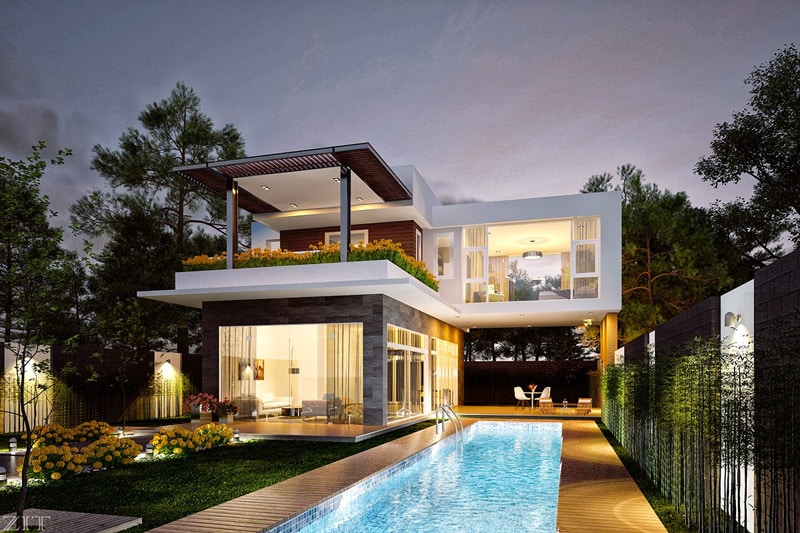
This home takes full advantage of its narrow plot. The pool runs alongside a tasteful garden and terminates at a patio sheltered by the room above. A tidy row of bamboo softens the look of the modern striped fence.

A Set Of Extraordinary Villas with a Modern Architecture   DesignRulz.com
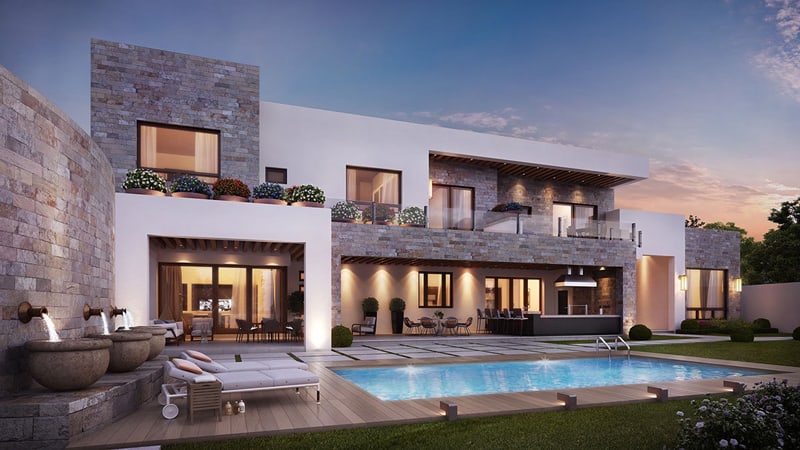
The juxtaposition between the smooth white walls and textural stone cladding exert amazing visual appeal. Don’t you just love the cistern/urn-style fountains integrated with the retaining wall? The shapes echo the planters used on the upper balcony and, taken together, provide a touch of classical appeal to an otherwise fully contemporary design. Project designed by Topsidefront.

A Set Of Extraordinary Villas with a Modern Architecture   DesignRulz.com

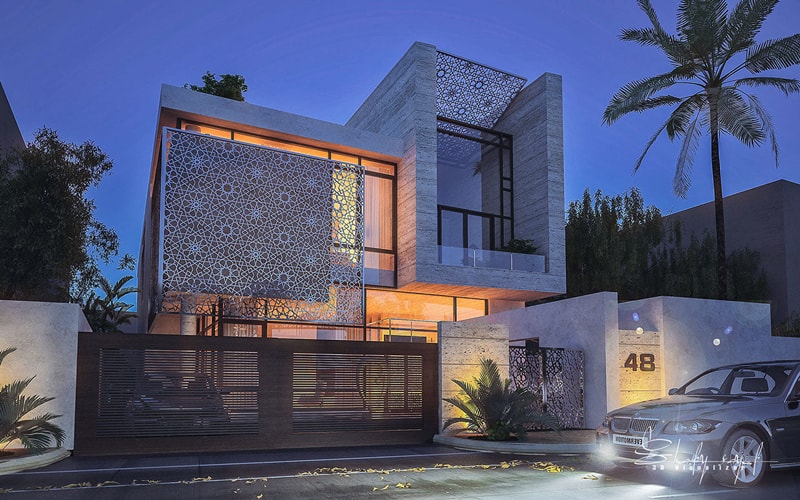
Intricate girih strapwork forms a metallic screen to shield the open volumes. A lower horizontally slatted wood screen offers a more discreet aesthetic that directs attention upward. Project designed by Shady Sayed & Nour El Deen Khaled.

A Set Of Extraordinary Villas with a Modern Architecture   DesignRulz.com

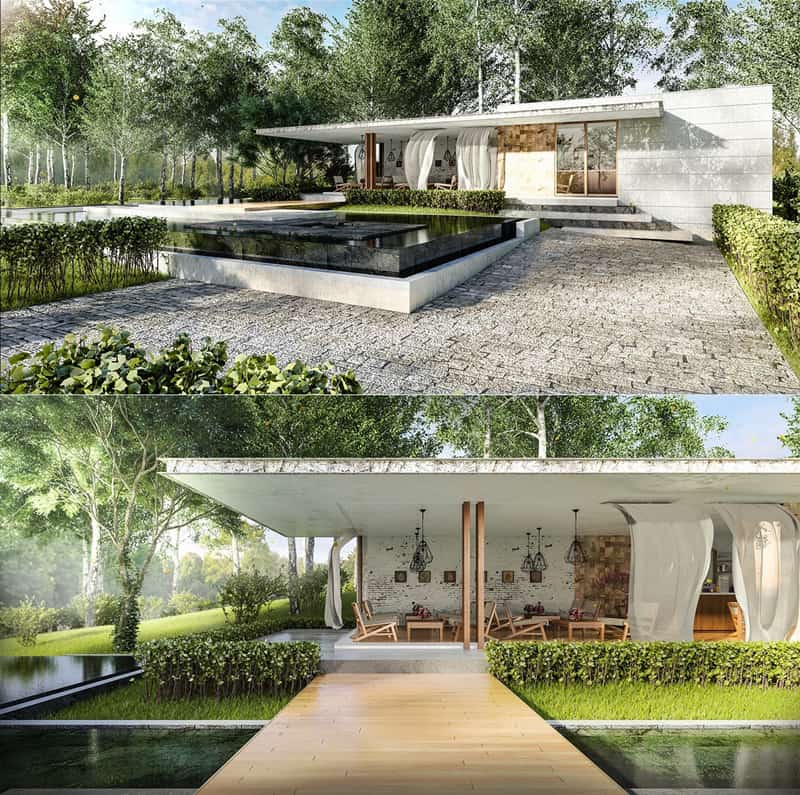
A modern boardwalk crosses a carefully framed channel of water, leading to an ever-so-slightly elevated indoor/outdoor living space decorated with trendy diamond frame lighting and streamlined furniture. Project designed by Thanh Nhan Tu.

A Set Of Extraordinary Villas with a Modern Architecture   DesignRulz.com

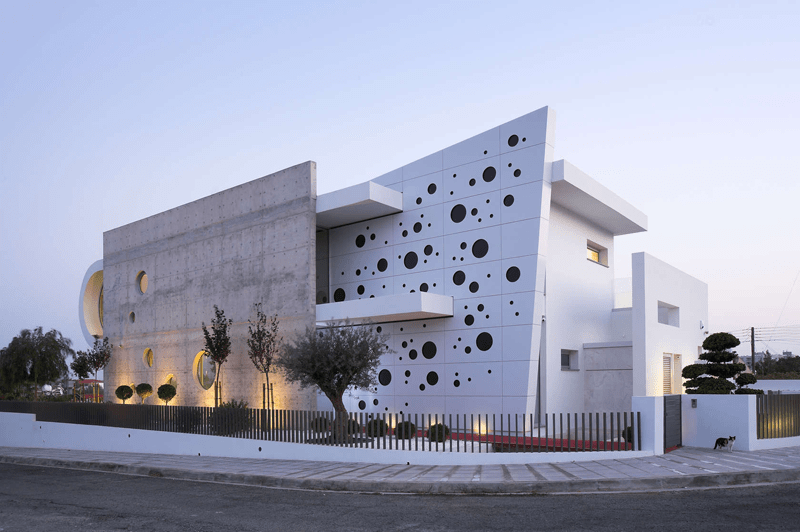
This perforated building (located in Nicosia, Cyprus) is a striking blend of angular construction and playful port windows. Not pictured – but alluded to on the left – a u-shaped fold gives the back of the home an open and organic aesthetic that smartly contradicts the sharp facade.

A Set Of Extraordinary Villas with a Modern Architecture   DesignRulz.com
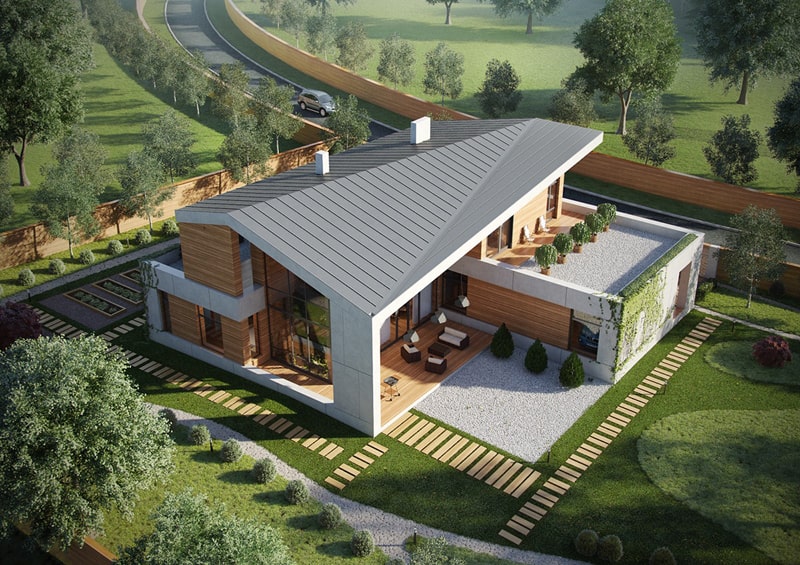
Orderly, linear, folded – rustic wood cladding and sleek concrete panels help this home feel like the perfect compromise between suburbia and country living by Yuriy Bochkaryov.

A Set Of Extraordinary Villas with a Modern Architecture   DesignRulz.com

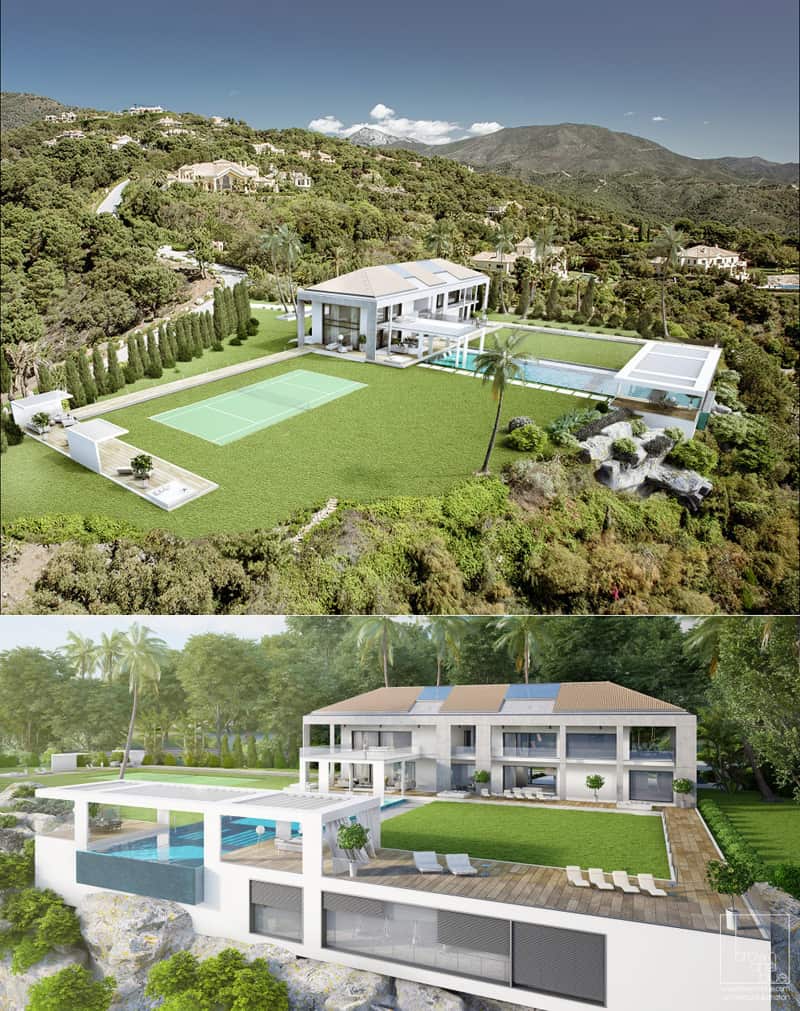
Built into the cliffside, this home features classic Greek influences mixed with notes of streamlined modernism. An observatory-type space sits discreetly underneath the patio by Brown And Blue.

A Set Of Extraordinary Villas with a Modern Architecture   DesignRulz.com

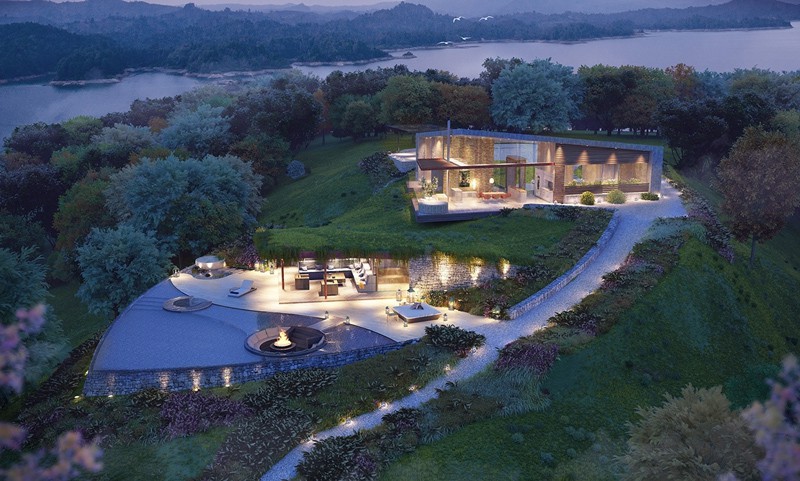
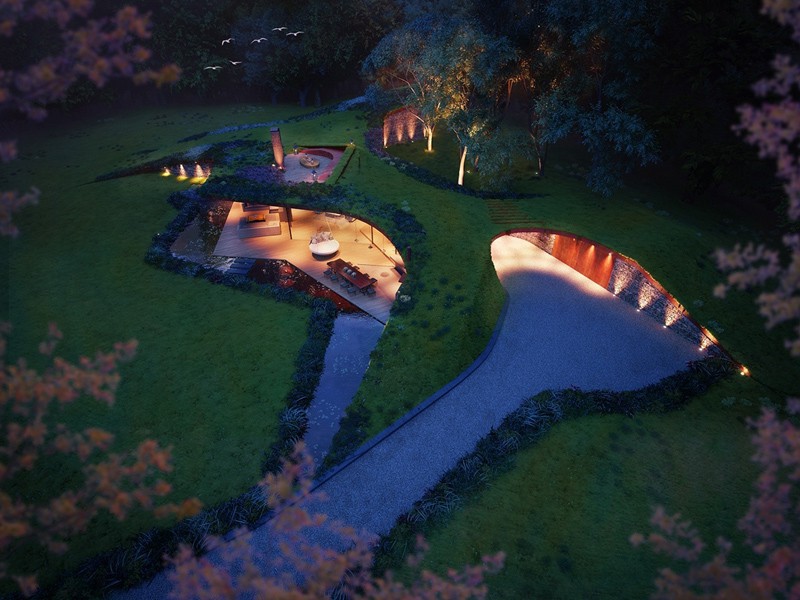
Visualized as a part of a resort for the “unplugged yet not-disconnected”, this space is carefully integrated into the surrounding landscape. It sits perched atop an overlook, its foundation plunges into the earth and emerges from the hillside as a chic entertainment space. The pool’s sunken fire pit is especially inspiring!

A Set Of Extraordinary Villas with a Modern Architecture   DesignRulz.com A Set Of Extraordinary Villas with a Modern Architecture   DesignRulz.com

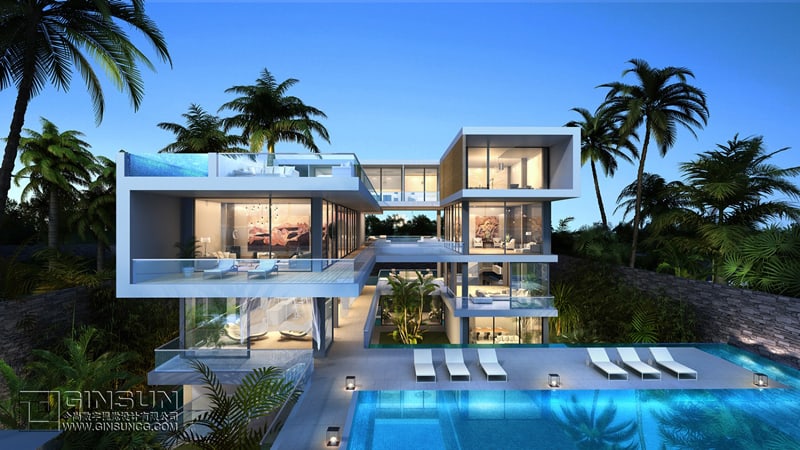
Part of a villa hotel project, this u-shaped retreat embraces its tropical environment. Small palms in the courtyard extend the landscape. Project designed by Xavier Xu.

A Set Of Extraordinary Villas with a Modern Architecture   DesignRulz.com

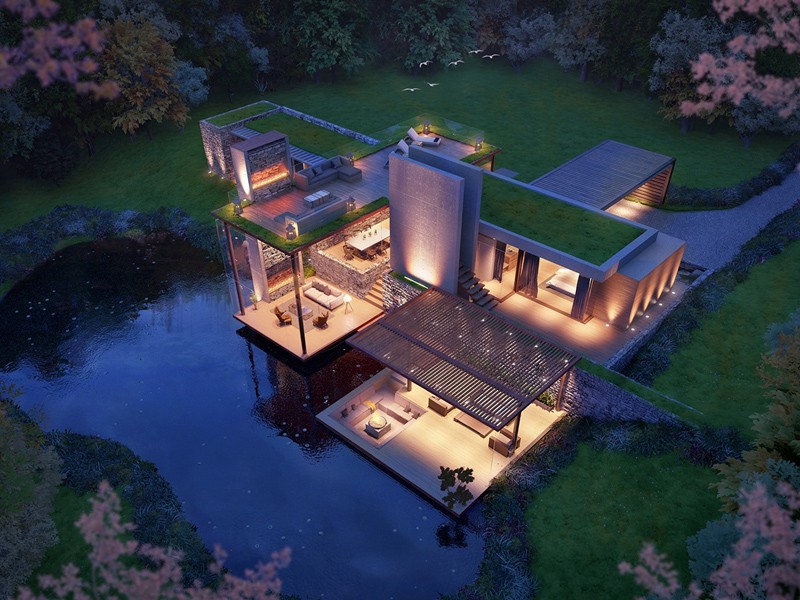
Here, there are no boundaries. A verdant stone wall intersects the main volumes, and the rooftop lawn surrounds an outdoor living space on the roof. The stairwell itself is the most substantial part of the glass-clad design by TRES 31.

A Set Of Extraordinary Villas with a Modern Architecture   DesignRulz.com

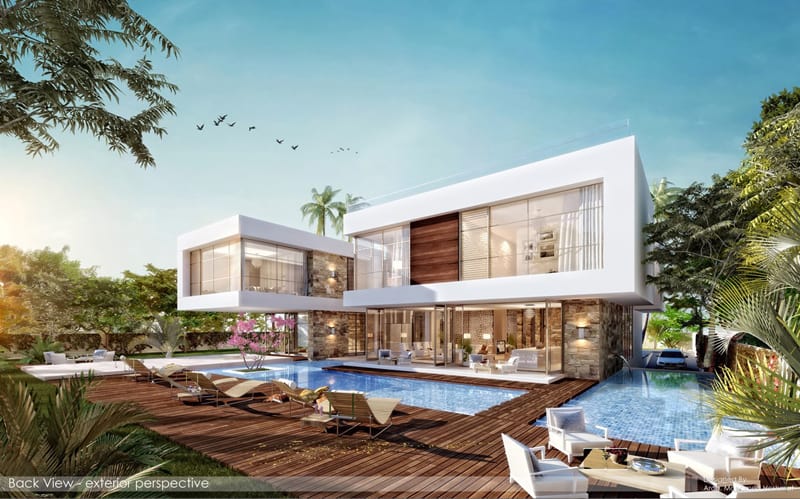
The home architecture seems weightless and divine, but the lovely pool deck deserves a second look as well. The furthest portion extends out from the underneath a breathtaking cantilever dining room, transitioning from smooth white to sumptuous dark wood that matches the singular section of timber cladding on the upper story of the home. A neat boardwalk provides another route of access to the entertainment areas. Project designed by Mohamed Heshmat.

A Set Of Extraordinary Villas with a Modern Architecture   DesignRulz.com

A sleek rectilinear volume intersects with a strong triangular prism. This unique form helps to enhance – rather than obscure – its connection with the conifer forest behind it. Project designed by Maxim Jurov.

A Set Of Extraordinary Villas with a Modern Architecture   DesignRulz.com

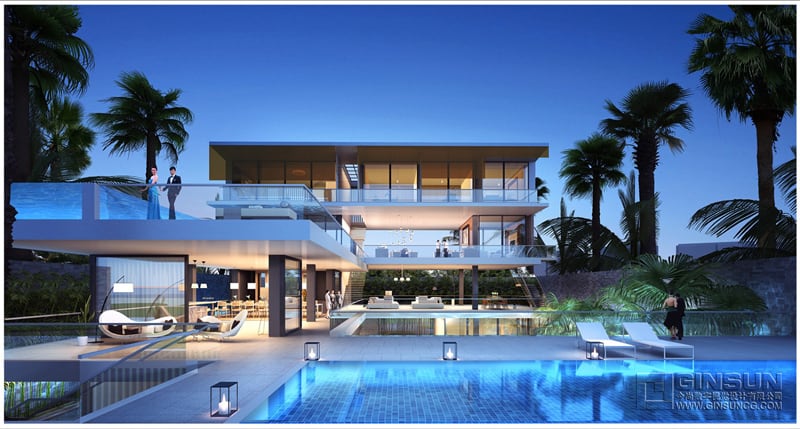
Pools occupy multiple levels. The topmost pool features clean glass walls to preserve the view for people lounging on the balcony, and to give swimmers an incredible way to experience the landscaped surroundings.

A Set Of Extraordinary Villas with a Modern Architecture   DesignRulz.com

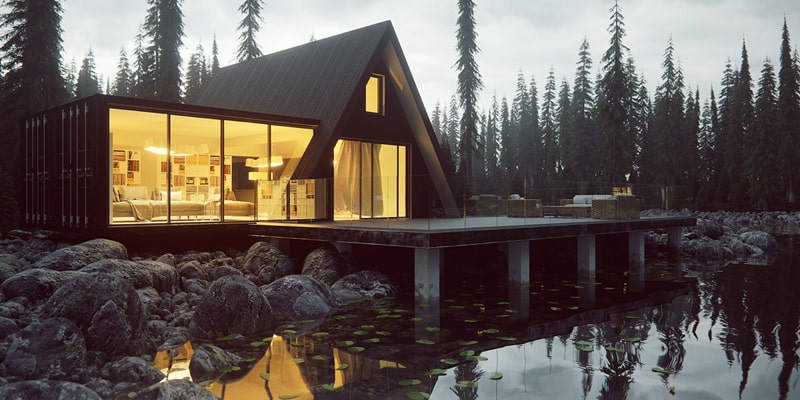
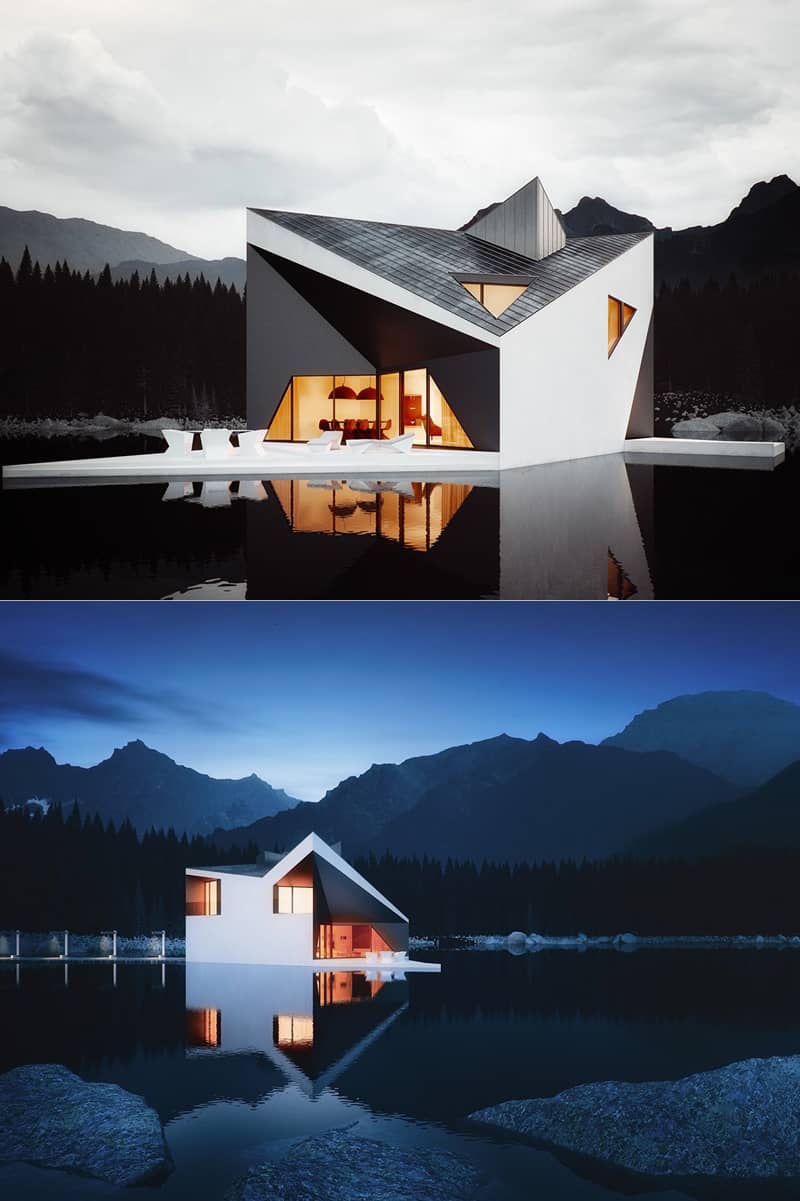
Rendered by Michal Nowak and designed by 81.WAW.PL architects, the Crown House projects its stoic form across a still dark lake. The somber color of the water is reflected in the treatment of the charcoal-colored eaves, heightening contrast and making the folded architecture look even more dramatic. Project designed by Michal Nowak.

A Set Of Extraordinary Villas with a Modern Architecture   DesignRulz.com

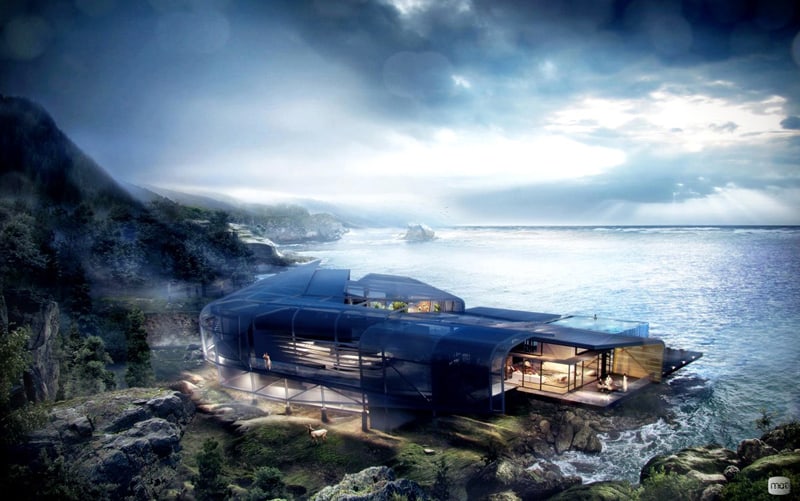
A gorgeous cliffside home, embraced by a curved glass shel by Walter De Marco

A Set Of Extraordinary Villas with a Modern Architecture   DesignRulz.com

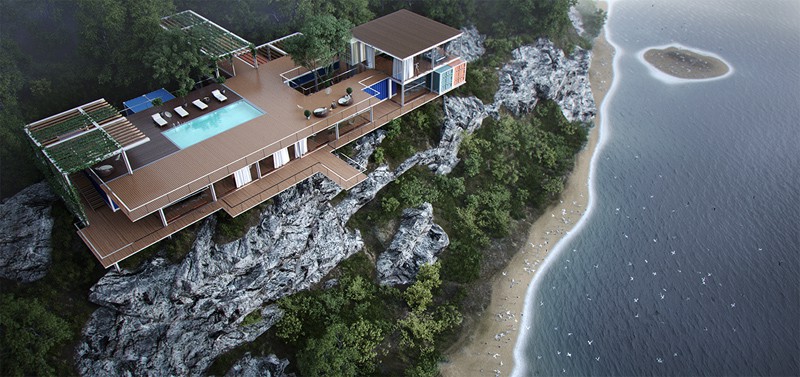
Another gorgeous cliffside concept, with a gravity-defying observation deck. Recreation areas occupy the top floor, with private areas enjoying the shade beneath. The uppermost room would make for an especially inspiring office. Project designed by Yuriy Bochkaryov.

A Set Of Extraordinary Villas with a Modern Architecture   DesignRulz.com

Roughage and timber resolve into orderly rectilinear architecture. The visualized landscape is whimsical, but the home itself is equally breathtaking by Tung Le Xuan

A Set Of Extraordinary Villas with a Modern Architecture   DesignRulz.com

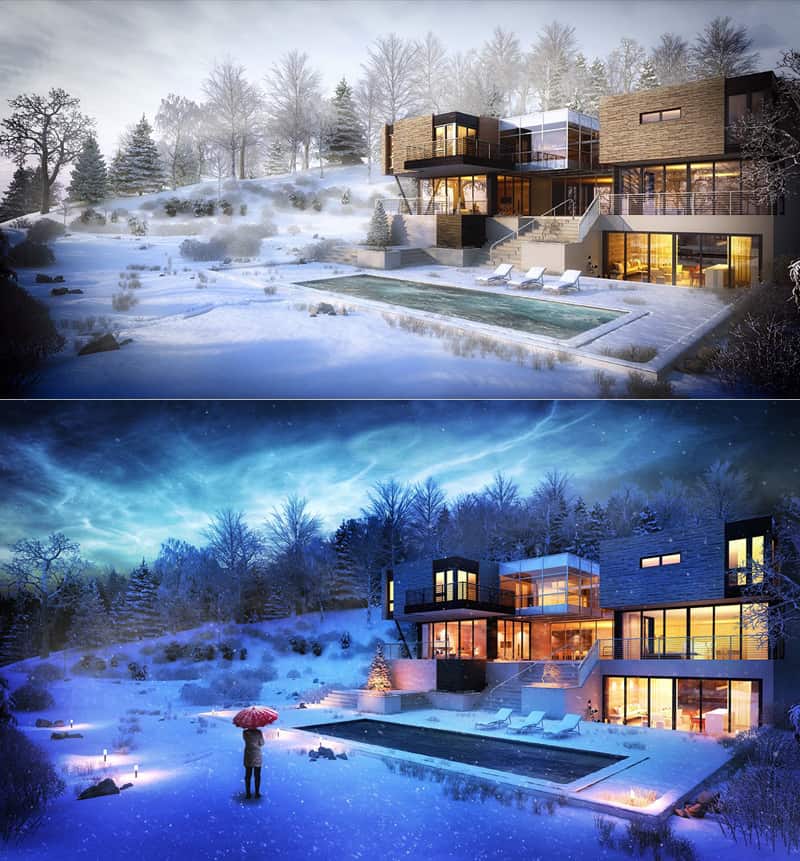
Wintertime visualizations are surprisingly rare but this home looks like the perfect place to warm up as the snow falls outside, especially with the yellow-hued lighting that emanates from the interior. Porject designed by Alex Barcelos.

A Set Of Extraordinary Villas with a Modern Architecture   DesignRulz.com


Categories
Articles Learning

WHAT IS 3DS MAX? AN INTRODUCTION …

WHAT IS 3DS MAX? AN INTRODUCTION …

Introduction to 3ds Max for beginners:

This awesome piece of software consists of 3D modeling design, realistic animation, and renders of 3D models. There is a free 3ds max trial version to try out (See the 3ds Max download below). You can purchase the software at the link below. Also, students get to


Introduction to and history of Autodesk 3ds Max

Developed and produced by Autodesk Media and Entertainment, Autodesk 3ds Max is software for rendering 3D animation, models and imagery. It was originally called 3D Studio and was created by the Yost Group of Atari for work on the DOS platform, and development started in 1988. It later was adopted for Windows NT with 3D Studio DOS release 4 and was subsequently renamed 3D Studio MAX. 3D studio MAX, also developed by the Yost group was produced by Kinetix, which was then the media and entertainment division of Autodesk. It was the release 8 of the original 3D Studio, which was renamed Autodesk 3ds Max which was made available to the public in 2009. 3ds Max offers much functionality targeted towards ease of use and faster image and animation rendition.

Major Applications of Autodesk 3ds Max

The software is used in developing CGI as well as applications ranging from academia to game development. Each use of the software requires the use of a different set of tools available in the software and as plug-ins. 3ds Max is available free of cost for students. However profession packs are available for sale.

Major Features of Autodesk 3ds Max

Autodesk 3ds Max is primarily, although not completely, based on polygon modeling. Polygon modeling is used more extensively in game design than in other animation application as it offers a highly specific control over individual polygons that make up the model. This feature of polygon modeling also allow for greater optimization of the model.

Usually, the design process begins at the selection of a primitive model bundled with 3ds, which is then further refined as per need. The current versions have a simplified mesh editing interface and using the ‘edit poly’ modifier which moves the tools available in the primitive model, higher in the modifier stack, allowing them to be used on top of other modifications.

In the 3ds Max software various unique primitive shapes such as teapots, cones, pyramids and cubes are available which can be used as a base for model development.

Although polygons are the method of choice for model building, surfaces are easier to define using other methods. 3ds Max’s subdivision surface support allows for smoothened surfaces and with the use of tools like Soft Selection, which allows manipulation of vertex clouds into the desired shape without distortions from unwanted shapes and displaying smooth surfaces. The sculpting brush feature allows smooth surfaces to be drawn by hand, if polygons give a distorted image, although functionality is limited.

The NURBs feature of Autodesk 3ds allows smooth surface rendition by use of mathematical formulae and is of greatest use to in accurate simulation of mechanical parts. This is of greatest use in applications such as automobile design and instrument design.

3ds Max allows the use of custom lighting and shadows and highlights can also be ‘burned’ into the image rendered. These settings are mostly used for game imagery, since pre-fit values of shadows and highlights allows the game engine to process less data thereby improving game speed and performance as the model is already painted with the required modifications.

This also means that for constant lighting conditions during play, especially if motion is involved, the images do not falter and give a constant, regular image, free of improper shadows and bad graphics.

For life like character models, 3ds Max includes simulation for hair, skin, cloth and fur, all requirements for simulation of living beings. These inbuilt add-ons reduce the time required for model development and improve the detail for each frame.

It also includes rigid body dynamics which means that simulation of hard bodies such as wood or bricks, is easy to perform. This software is also equipped with features like shatter effect to recreate the dynamics of shattering rigid objects. However, soft body dynamics, which allows for the motion simulation of deformable objects, is not supported by 3ds Max, which makes simulation of such objects difficult.

A very useful feature of this software is the support for Inverse Kinematics and Forward Kinematics. Inverse Kinematics or skeleton modeling allows the user to create a model and fit it with a skeleton, which can then be animated as per the requirements of the animator. This skeleton can then be placed inside the model, making the animating the model easier.


Tools available in Autodesk 3ds Max

* MAXScript: It is a scripting language which is built into the software and can automate repetitive tasks, give varying combinations of present features and developing tools and user interfaces. MAXScript can also be used to build plug-ins for 3ds Max.

* Scene Explorer: Scene Explorer provides an orderly, hierarchical view of scene data. It allows categorical editing of data, to achieve simplicity in editing complex sets and can also manage code in .NET.

* Character Studio: Initially a plug-in character studio is a tool for help in animating virtual characters, the Character Studio allows using stock skeleton animation to quickly and easily modify characters for a project which work on the ‘biped’ skeletal system.

* General keyframing: There are two keying modes; auto key and set key which provide support for separate workflows. The keyframing controls given help in easing the animation by providing simple, but important features like cut, copy and paste.

* Constrained animation: It allows animation of objects placed inside the constraints of their shape. This tool allows the animation of objects along curves with controls provided for smoothness, velocity, alignment, banking etc. and along surfaces.

* Skinning: Using with the Physique or Skin, a fine control of movement can be achieved and can be used in the most tricky of places.

* Integration with Autodesk Vault plug-in: The Autodesk Vault is a plug-in which is shipped along with 3ds Max and is used to integrate user data and assets on to one location, thus tracking progress on projects. Also, managing work in progress is an easier task. The plug-in enables users to safely and easily design, find, reuse and share 3ds Max models for a team production effort.


Conclusion

All in all, Autodesk 3ds Max is a useful software for learning and practicing animation and developing the skills required for 3D modeling and animation purposes. Along with having a very user friendly interface, it also can be used for managing professional projects in animation. One of the best features is added plug-in functionality which increases its features by a wide margin.

Categories
Post

10 free resume templates

10 free resume templates

Not all of us have the time or inclination to craft our own creative resumes, and arguably having a flashy or beautifully illustrated curriculum vitae printed on 130gsm paper is of far less importance than a well-presented design portfolio.

But your CV still needs to clearly impart key information about your career, while still displaying a little of your personality. We’ve had a search around and have found these 10 free résumé templates, each of which offers something a little different. Here goes.

01. Ikono.me

Resume and CV templates
A stylish resume template that includes a timeline of your employment history

This subtle yet stylish CV template features all the details you need to include, along with a neat sidebar holding a profile and references and a timeline – in which you can list your employment history. There’s also an online profile section to show just how social media-savvy you are and a software skills bar graph so you can show your exact skills. It’s supplied in PSD, AI and INDD formats.

02. Three in one

Free resume templates

This simple, elegant free resume template is one of many presented by Designscrazed. The design is separated into easy-to-read, clear section with an option at the bottom for you to add icons to list your hobbies and interest, which gives it a nice touch. The zip file contains three psd files to build your personal resume, cover letter and a portfolio web template should you wish. All layers are well grouped and easily edited in Photoshop.

03. Ultra minimal résumé

Resume and CV templates
Print on a different paper colour for added minimalism with this CV template

A lot of the time, less is more when it comes to CV and resume design – and this subtle, minimal template is perfect for communicating your work history and profile in style. There’s room for a photo (we’d suggest black and white) and you can either change the background colour or print onto coloured paper for a unique and stylish CV.

04. Résumé for icon fans

Resume and CV templates
This resume template has some super-stylised icons included

If icons are your thing, check out this free template (only free for a limited time, mind) from designer Fernando Báez. A sectionalised design, complete with stylish type and icons included (you get the CV in AI format and the icons in PSD), this resume is perfect for customising with your own icons to represent your interests and achievements.

05. Résumé for type fans

Resume and CV templates
A central typographic column enables you to list your skills

Sure, this may not be to everyone’s taste – but it’s certainly impactful. A central typographic column bursts out to boxes in which you can add your details. The resume is supplied in AI format so you can easily export a PDF – and comes in black and white so you can get creative with colours.

06. Simple résumé

Resume and CV templates
Open Sans is at the heart of this resume, making it easy to customise

Again, simplicity is the key here in a type-based CV (using Open Sans) that puts profile at the top, then lists experience and education in simple boxes with left-hand sub-headers. There’s also – and this seems to be a trend amongst résumé designers – a professional skills section enabling you to grade yourself out of five on software, code and the like (stick them all to five if we were you).

07. Clean résumé

Resume and CV templates
The Smart Object header makes it a cinch to add your own graphic to this resume

This highly-customisable resume template comes in PSD and AI formats and has a Smart Object header, meaning you can quickly and easily link in an image of your choice. It’s A4, 300dpi, with 3mm bleed – so completely print-ready. Just add your logo, bio, experience and so on and you’re ready to print and send.

08. Hadi Reda

Resume and CV templates
Super-minimal with a neat icon style, this resume is ace for designers

Keep it super-minimal with this resume template. Once again there’s a bar graph for your skills (which we’re still not sure about but some employers may like it) along with a neat icon style to represent your social media profiles and software competence. It’s supplied in layered PSD format.

09. Résumé that makes a statement

Resume and CV templates
It’s definitely worth experimenting with this contemporary resume template by Paolo Pettigiani

Maybe you’re looking to make more of a statement with your one-pager – in which case this typographic template by Paolo Pettigiani may be just the ticket. Easy to customise and available in AI format with all the necessary fonts and icons, it’s definitely worth experimenting with.

10. Long résumé

Resume and CV templates
There’s so much info on this resume template it could be a little baffling – so why not cut the neat design down to size?
A modern resume with room for everything you’d need to say about yourself and more, we like the placeholders for adding imagery and your personal logo or logotype in the header. There’s also a services list, skills graphs and client box. A comprehensive PSD resume that you may need to cut down to size a little.

Categories
Post

The 5 best new 3D tools for April

This time of year can often be a quiet one for those of us working in 3D art and visual effects, with developers gearing up for the events season and new releases being a bit thin on the ground.

However there are a few notable updates and newcomers, so have a read below to see what could help you improve your work or help you be more efficient.

01. Modo 10 series

Modo has been around for a while but continues to develop and grow

Recently announced is the latest version of the now long running Modo, the full solution for 3D artists that includes tools for modelling and texturing animation and rendering. Previous updates had followed the x01 naming convention, lending a feeling of continuity to the brand but The Foundry have broken from that with what would have been 1001. Instead they have refocussed a little and changed the way they are targeting their products.

10.0 v1 is the first of the new system and is aimed squarely at the interactive market, so if you are on the lookout for a solid 3D app for your VR work or game content then this is the one you want. It hasn’t quite been released at the time of writing but it’s just around the corner and will be followed later by 10.1 and 10.2 which will each have their own focus.

02. NVIDIA Iray VR and Iray VR Lite

Rendering power is steadily moving to the GPU and Iray VR looks set to a strong contender

Most artists will usually have thoughts of graphics cards when you mention the name NVIDIA but they are also software developers and one of their main applications of recent years is Iray, now with additional versions for VR. Iray VR has many uses but the obvious benefits are for engineers and architects, where they will be able visualize not just form and function but also lighting interaction.

If you are into architectural visualization and want a step up then look at Iray VR, as it will let you light your spaces on the fly without the process of having to wait for test renders. Imagine taking the power of your GPU to run interactive demos to clients, showing them how their desgins will look in any situation. VR looks to be having a resurgence and Iray wants in on the party.

03. Forest Pack 5 and Railclone 2.6

These two heavy hitting max plugins are well respected and rightly so

Possibly the best known plugins for 3ds Max is this pairing from iToo. Well regarded even amongst non-Max users, the software’s abilities in rapidly populating a scene in an organic yet controllable way has always been a huge benefit but they’ve announced their newest version which promises to add even more features.

There are a few new features for both apps but the main ones are expression support, so all you maths tweakers can use expressions to control your clones and their placements. Second up and one that will please many is support for V-Ray 3.3 including motion blur.

Check the website for a full list of new options as there are many new render options and a bunch of GUI options which make for more efficient working.

04. popVideo 3

The popVideo keying tools allow easy background removal, with a single colour picker

If you work in VFX it’s pretty likely you will have to work with green or blue screen footage. That’s okay and working with different keying solutions is getting easier but there’s still a lot of room for improvement. Reallusion has announced its latest version of popVideo, which includes some simple to use keying options that have sophisticated uses.

Using popVideo you aren’t limited to the tradition blue or green screen studios but can effectively remove any colour background. The possibilities this opens up are enormous, from basic paper rolls that can bought from any photo supplies shop to working with sky removals or annoying artefacts. The tools is operated with a colour picker meaning traditional chroma values aren’t a limitation.

05. Pixel lab NAB sale

The pixel lab packs are winners for quality and price

If you are a Cinema 4D artist and need plugins, materials and models then look no further. Joren Kandel has a huge range which is growing steadily, month by month. The news here is that he is currently running an NAB sale where you can save over $1000 on the complete set of products. Sales like this don’t come around that often and, although this isn’t about a specific product, it’s well worth sharing.

Many of the items are After Effects compatible too, so check it out. Even out of sale these packs are heavily discounted and well worth investigating.

Categories
Post

25 world famous buildings to inspire you

25 world famous buildings to inspire you

From the Colosseum to the Kabba, get a dose of inspiration from 25 of the world’s most famous buildings.

Whether you’re a busy art director or an illustrator working from home, every creative needs some downtime. And there’s no better way to both relax and be inspired than jetting off somewhere you’ve never been before.

Whenever we travel to far-flung places, we’re attracted to the famous buildings. Much like a photograph, architectural designs record details of specific moments in time. But unlike an photograph, physical structures go on to have a life of their own, becoming a central and functional part of countless people’s lives for hundreds, if not thousands, of years after they were built.

Here we have picked 25 of the most famous building designs from around the world to inspire you.

01. Dome of the Rock, Jerusalem

Famous buildings - Dome of the Rock
The Dome of the Rock is a masterpiece of Islamic architecture

A masterpiece of Islamic architecture, the Dome of the Rock is a 7th century building, located in Jerusalem. Built by Caliph Abd al-Malik between 687 and 691, the octagonal plan and the rotunda dome of wood are of Byzantine design. The Persian tiles on the exterior and the marble slabs that decorate the interior were added by Suleiman I in 1561.

The oldest extant Islamic monument, the Dome of the Rock has served as a model for architecture and other artistic endeavors for over a millennium.

02. La Pedrera, Barcelona

Fanous buildings: La Pedrera
Gaudi’s La Pedrera is one of the most imaginative houses in the history of architecture

Nested among the urban streets of Barcelona are some unusual and beautiful buildings by infamous architect Antoni Gaudi. His unique approach to the Art Nouveau movement generated some of the most creative buildings the world have ever seen. And La Pedrera is no exception.

One of the most imaginative houses in the history of architecture, this is more sculpture than building. The façade is a varied and harmonious mass of undulating stone that, along with its forged iron balconies, explores the irregularities of the natural world. The United Nations Educational, Scientific and Cultural Organization (UNESCO) recognised this building as World Heritage in 1984.

03. One World Trade Center, New York

Famous buildings
The One World Trade Center is the tallest skyscraper in the Western Hemisphere. Image © One World Trade Center

The latest addition to New York’s skyline, the One World Trade Center, is the tallest skyscraper in the Western Hemisphere. Construction began in April 2006 and the final component of the building’s spire installed five years later in 2013, making it the fourth tallest skyscraper in the world.

The One World Trade Center’s design is no coincidence, standing at a symbolic height of 1,776 feet (541m) in a direct nod to the year of the US Declaration of Independence.

Designed by David M Childs of Skidmore, Owings & Merrill, the 104-story glass tower raises from a cube base before transforming from the 20th floor into eight sleek isoceles triangles. Stood adjacent to the city’s beautiful 9/11 memorial, the One World Trade Center is a shining beacon for the city.

04. St Paul’s Cathedral, London

famous buildings
British architect Sir Christopher Wren took 10 years to finalise his designs for St Paul’s

London’s most iconic building, St Paul’s Cathedral, was designed by English architect Sir Christopher Wren. Sitting at the top of Ludgate Hill, the highest point in the City of London, its famous dome is one of the world’s largest, measuring nearly 112 metres high.

The original church on the site was founded in the year 604AD. Work on the present English Baroque church began in the 17th Century by Christopher Wren as part of a major rebuilding program after the Great Fire of London.

Wren started working on St Paul’s in 1668, his designs for the cathedral taking a decade to complete and the actual construction taking a further 40 years. St Paul’s has played an integral part of London life ever since – as a domineering element in the city’s skyline, as a centre for tourism and religious worship, and most recently as a focal point for anticapitalist protests.

05. Petronas Towers, Kuala Lumpur

famous buildings
The Petronas Towers are an iconic landmark in Malaysia’s capital city Kuala Lumpur

Standing at 170 metres above ground, the Petronas Towers are twin skyscrapers in Kuala Lumpur, Malaysia. The buildings, which held the titled of tallest in the world between 1998-2004, are an iconic landmark of the capital city.

The distinctive postmodern style was created by architects Cesar Pelli and Achmad Murdijat, engineer Deejay Cerico and designer Dominic Saibo under the consultancy of JC Guinto.

06. The White House, Washington

famous buildings
The White House, designed by Irish architect James Hoban, took eight years to construct. Image © Matt Wade

Irish architect James Hoban was the man behind the design of the White House. In 1792 Hoban submitted a plan for the presidential mansion and subsequently got the commission to build the White House. Constructed began in 1793 through to completion in 1801. The mansion, which has been home to every US leader since the country’s second president John Adams, is made from white-painted Aquia sandstone.

07. Leaning Tower of Pisa

famous buildings
Due to restoration work carried out in 2001, the tower currently leans at just under 4 degrees. It is estimated that it will collapse in the next 75-100 years. Image © Alkarex Malin äger

The Leaning Tower of Pisa is one of the most remarkable architectural structures in Europe. Most famous for its tilt, the tower began to lean during construction after soft ground on one side was unable to properly support the structure’s weight. 

Building work on the tower began in 1173 and went on for over a whopping 300 years. There has been much controversy surrounding the true identity of the architect behind the tower – the design originally attributed to artist Bonnano Pisano but studies have also implicated architect Diotisalvi. 

08. The Kaaba, Mecca

Famous buildings: The Kabba
The Kabba is a most scared space in Islam

The Kaaba, meaning cube in Arabic, is a square building located in Mecca, Saudi Arabia. A most scared place in Islam, the Kabba is elegantly draped in a silk and cotton veil. Every year millions of Muslims travel to the Kabba for the hajj, an annual Islamic pilgrimage to Mecca.

The small square building is about 60 feet high and it’s walls a metre wide, with it’s total size occupying roughly 627 square feet.

09. The Shard, London

The Shard is an 87-storey skyscraper, which sits in the heart of London

Also referred to as the shard of glass, The Shard is an 87-storey skyscraper, which sits in the heart of London. Construction began in 2009 and was completed three years later in 2012, making it Western Europe’s tallest building.

Designed by architect Renzo Piano, The Shard is the second tallest free standing structure in the UK. It’s exterior boasts 11,000 glass panels – that’s equivalent in area to eight football pitches or two-and-a-half Trafalgar Squares.

The building was developed to have multiple uses, described on the website as a ‘vertical city where people can live, work and relax’. This motto was clearly taken on board by a fox, nicknamed Romeo, that was found on the 72nd floor towards the end of construction.

10. St Basil’s Cathedral, Moscow

famous buildings
The unique St Basil’s Cathedral in Red Square, Moscow was designed by architect Postnik Yakolev

No, we haven’t included a piece of Disneyland architecture on our list. This garish, candy coloured cathedral is in fact Moscow’s most visited tourist attraction. The famous landmark, shaped to resemble the flame of a bonfire rising into the sky, is located just outside the Kremlin gates and marks the geometric centre of the city. 

Built between 1554 and 1560, the cathedral was erected during the reign of Ivan IV (Ivan the Terrible). Little is known about the building’s architect Postnik Yakovlev, but he was clearly a fan of onion domes, sharp spikes and polygonal towers. 

11. Empire State Building, NYC

famous buildings
Construction of the world-famous Empire State building was completed in just one year and 45 days

We couldn’t put together a list of world-famous buildings without including this grand Art Deco skyscraper. Once the tallest building in the world, construction began on the Empire State building on St Patrick’s Day 1930 and was completed just 410 days later.

The building was designed by William F Lamb of architectural firm Shreve, Lamb and Harmon. It was declared by the American Society of Civil Engineers to be one of the Seven Wonders of the Modern World and is known around the world as an icon of New York City.

12. Lloyds Building, London

famous buildings
The award-winning Lloyds building was designed by Italian-born architect Richard Rogers. Image © Aurelien Guichard

This futuristic building looks like it belongs in a sci-fi movie rather than Lime Street in London. The award-winning Lloyds building (also known as the Inside-Out building) is an iconic architectural landmark and one of the most recognisable constructions on the London skyline.

Architect Richard Rogers was the brains behind the innovative design, which has its services – including water pipes and staircases – on the outside. Built between 1978 and 1986, the building also features 12 exterior lifts, which were the first of their kind in the UK. 

13. Colosseum, Rome

famous buildings
The Colosseum is the largest Roman amphitheatre ever built. Image © David Iliff

This elliptical amphitheatre in the centre of Rome is considered as one of the greatest architectural feats achieved by the Ancient Romans. The stadium was capable of seating 50,000 spectators and used mainly for gladiatorial games.

Built from concrete and stone, construction began on the Colosseum began around 72AD and finished in 80AD. The design and shape of the Colosseum has been the inspiration for many modern day stadiums. Today it is one of Rome’s most popular tourist attractions, attracting thousands of visitors each year. 

14. Taj Mahal, India

famous buildings
The Taj Mahal is a white marble mausoleum located in Agra, Uttar Pradesh, India. Image © Muhammad Mahdi Karim

Recognised as ‘the jewel of Muslim art in India’, the Taj Mahal was built by Mughal Emperor Shah Jahan. Often mistaken as a palace, this famous landmark was actually built as a tomb for the Emperor’s wife after she died giving birth to their 14th child. 

The Taj Mahal is regarded as one of the finest examples of Mughal architecture – an amalgamation of Persian, Turkish and Indian styles. Construction on the mausoleum began in 1632 and was completed in 1648. The surrounding buildings and gardens took a further five years to finish. 

15. Chrysler Building, NYC

famous buildings
The Chrysler building attained the title of world’s tallest in building in 1930 for just one year when the Empire State was erected. Image Joris Van Rooden

In the early part of the 20th Century, people everywhere were in a race to build the tallest building. At the time, this gorgeous Art Deco skyscraper was almost outdone by the Bank of Manhattan but its spire (which was constructed in secret) enabled it to take the title of ‘tallest building in the world’ in 1930. 

It didn’t last long though. Just a year later the Empire State Building was erected. Designed by architect William Van Alen, the skyscraper was commissioned by car manufacturer Walter P Chrysler, hence its name.  

16. Sydney Opera House

famous buildings
Sydney Opera House is the most famous Australian architectural icon

Sydney Opera House is widely regarded as one of the greatest architectural works of the 20th century. The innovative design came from architect Jørn Utzon, who was relatively unknown until January 29, 1957 when his entry to the ‘International competition for a national opera house at Bennelong Point, Sydney’ was announced the winner.

The beautiful building comprises of three groups of interlocking shells, which roof two main performance halls and a restaurant. A masterpiece of modern architecture, the opera house has become an iconic symbol of both Sydney and the Australian nation. 

17. Space Needle, Seattle

famous buildings
40 years after its construction, the Space Needle remains Seattle’s best visitor destination. Image © Jordon Kalilich

The futuristic Space Needle in Seattle, Washington was built for the 1962 World’s fair. The famous landmark stands at 184m high and 42m wide at its widest point.

The design was a collaborative effort between architects Edward E Carlson and John Graham. Not only is the architecture a marvel to look at but the building’s impressive design can survive wind velocities of 200mph and can escape serious structural damage during earthquakes of up to 9.1 magnitudes.

18. Hagia Sophia, Istanbul

famous buildings
Now a museum, Hagia Sophia is located in Istanbul, Turkey

Once a church, later a mosque, and now a museum, Hagia Sophia is a architectural masterpiece. A perfect example of Byzantine architecture, Hagia Sophia is located in Instanbul, Turkey.

The building was built for the first time by the emperor Constantine the Great (306-337). However, due to many factors, including being burned down in riots and earthquakes, the ancient cathedral has been rebuilt many times since. Despite this, Hagia Sophia is widely recognised as one of the great buildings of the world. And if that wasn’t cool enough, the building also features in the opening scenes of the Bond film, Skyfall. 

19. Buckingham Palace, London

famous buildings
Buckingham Palace is one of London’s most popular tourist attractions. Image © David Iliff

Originally known as Buckingham House, George III bought the property in 1735 when the mansion was little more than a red brick house. Since then, various architects have worked on the building to make it what it is today, including John Nash, Edmund Blore and Sir Aston Webb.

The palace also had to undergo extensive work after being bombed no less than nine times during World War II. However, still very much in operation, it’s one of the few working royal palaces remaining in the world today.

20. Fallingwater

famous buildings
Frank Lloyd Wright created this unique design for the Kauffman family in 1934. Image © Sxenko

Designed by famous American architect Frank Lloyd Wright in 1934, Fallingwater is quite possibly the most famous private residence in the world. But why? Well, the unique design makes it look like the house stretches out over a 30ft waterfall, with no solid ground beneath it. 
This isn’t the case, obviously, but the innovative design captured everyone’s attention when it was finalised in 1939. It became famous instantly and is now a natural historic landmark. It’s so cool you can even get a Lego version of the architectural masterpiece!

21. Pantheon, Rome

famous buildings
Built approximately 2000 years ago, the Pantheon continues to inspire architects all over the world

Rome is home to many amazing buildings, and the Pantheon is no exception. And, like the city itself, it was not built in a day. Destroyed twice and rebuilt each time, the building started as a rectangular structure, which, over time, evolved into the gorgeous dome building seen today. 

An inspiration to architects all over the world over the last 2,000 years, the Pantheon roof remains the world’s largest unreinforced concrete dome. There is much debate between historians over which emperor and architects were responsible for the Pantheon’s design although it is known that this ‘Temple of the Gods’ was built around 126AD.

22. Guggenheim Museum, Bilbao

famous buildings
Architect Frank Gehry developed the unique concept for the museum after winning an architectural competition to design the building

The Guggenheim museum Bilbao is one of the most admired works of contemporary architecture. California-based Canadian-American architect Frank Gehry created the unique concept after winning an architectural competition to design the building. 

Since the museum doors opened in 1997, it has been hailed one of the most important buildings of the 20th century. Now with over a decade of success, the museum has homed over a hundred exhibitions and has welcomed more than 10 million visitors. 

23. Flatiron building, New York

famous buildings
Chicago architect Daniel Burnham designed the distinctive Flatiron building, which is instantly recognisable in New York’s skyline

The eye-catching Flatiron building in Manhattan was designed by Chicago architect Daniel Burnham and built in 1902. The distinctive triangular shape allowed the building to fill the space located at the intersection of Fifth Avenue and Broadway.

Another of New York’s skyscrapers, it was never the tallest but remains one of the most memorable and has been a source of inspiration for artists and architects for over a century now. 

24. Villa Savoye, France

famous buildings
Villa Savoye was originally built as a country retreat for the Savoye family in 1928

Designed by Swiss architects Le Corbusier and his cousin, Pierre Jeanneret, Villa Savoye is an early and classic example of the International style – a major architectural style that emerged in the 1920s and ’30s. 

The property was built in 1928 and, after surviving several demolition plans, was designated as an official French historical monument in 1965. 

25. Burj Khalifa, Dubai

famous buildings
Dont look down! The world’s tallest building in Dubai over 800 metres high. Image © Nicolas Lannuzel

Last on our list – but by no means the least – is the world’s tallest building Burj Khalifa. The mammoth skyscraper and magnificent centerpiece of Downtown Dubai stands at a whopping 828.9 metres high. 

Construction began on the 160-floor building in 2004 with its doors opening six years later in 2010. The task of creating the world’s tallest manmade structure was awarded to the Chicago office of American architectural and engineering firm Skidmore, Owings and Merril LLP.

Categories
Printing

Printing

Printing

All types of Printing on different material

Promotional

All types of promotions on different material

Books and Magazine

All types of Books and Magazines
Categories
Post

Top 26 World’s Most Expensive Houses And Their Owners

Top 26 World’s Most Expensive Houses And Their Owners

house

Have you ever wondered what the finest and most expensive houses could look like? Then here, with combined information from Forbes, we bring you images of the world’s most expensive homes, designed by professional and talented  architects and groomed with the finest luxury you can ever imagine. And NO! they don’t belong to your favorite movie stars and musicians. Apparently there are people who make more money, we talking top business magnates, and mega investors, you know, the COO’s and the CEO’s. Though some of these mansions have been in existence for years, continuous revolutionizing by the billionaire owners transform them to what you would call the modern day castle.

26. Duke Semans Mansion – Fifth Avenue, Manhattan, New York

Value: $44 million

Owner: Carlos Helu Slim

Net worth: $73 billion

Semans Mansion

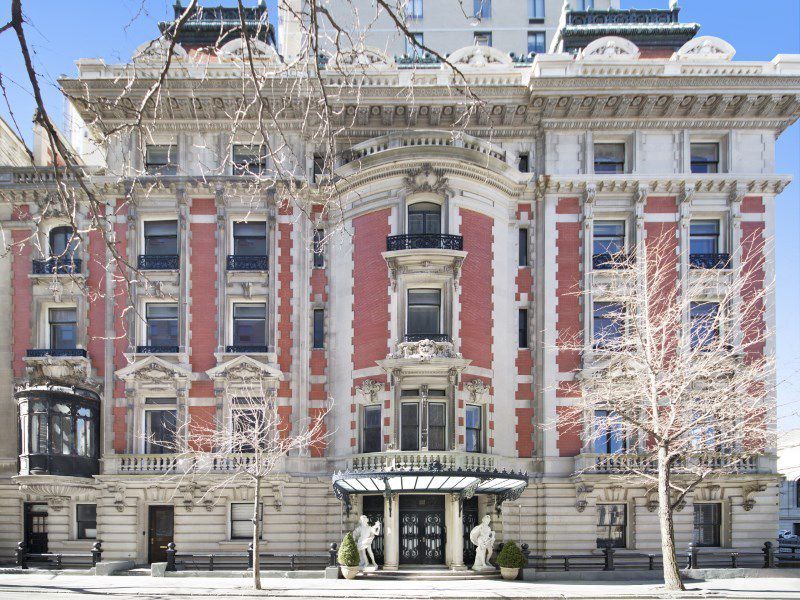
The Mexican business magnate purchased the mansion for $44 million in 2010 but the rather frugal business magnate prefers to live in his modest house in Mexico. He recently put the house up for sale with a $88 million price tag on it, if that goes through, it will make it the most expensive townhouse ever sold in NYC. According to the listing, the house is a 8-story building with French Renaissance interior. It features high ceilings, gold-leaf trimmed fixtures, and a sweeping staircase.

25. Kesington Palace Gardens – London, UK

Value: $72 million

Owner: Tamara Ecclestone (eldest daughter of Formula One Magnate Bernie Ecclestone)

Net Worth: $500 million

Tamara Ecclestone

When your dad is a billionaire and you are the heiress to his fortune, you can pretty much afford anything, including a home on the exclusive billionaire row street, where Dukes, Duchess and ambassadors are your neighbors. Tamara’s 57-room house contains, a beauty saloon, bowling alley, pool, car lift, dog spa, and a basement cinema.

24. The Manor – Holmby Hill, LA California

Value: $85 million

Owner: Petra Stunt (Daughter of Formula One racing magnate Bernie Ecclestone, worth $3.8 billion)

The Manor

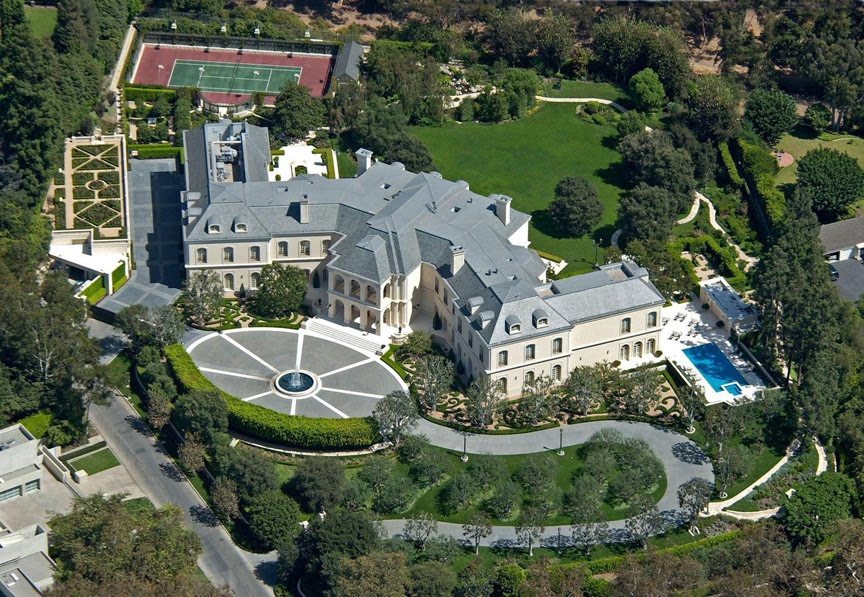
Alias the Spelling manor, it was originally listed in the market for $150,000 but Petra bought it for $85 million after it failed to find a buyer for two years. The 56,000 sq ft mansion has 123 rooms making it one of the largest homes in LA county. Its features includes a bowling alley, gym, tennis court, gift-wrapping room, screening room, pool, and a car garage that can take 100 vehicles.


23. 15 Central Park West Penthouse – New York

Value: $88 million

Owner: Ekaterina Rybolovleva

15 Central Penthouse New York

telegraph.co.uk

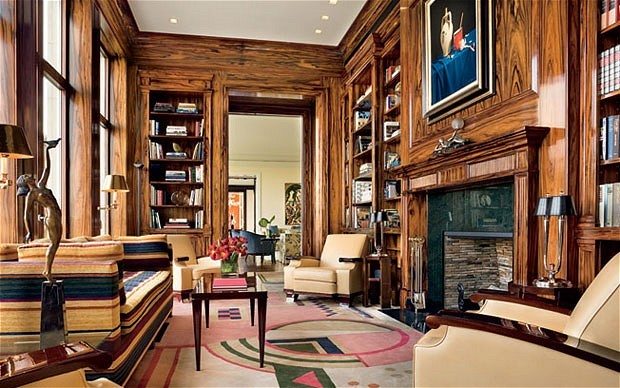
Ekaterina Rybolovleva (22) is a rich kid, daughter to the Russian fertilizer tycoon Dmitriy Rybolovleva. She is currently a student at a university in New York and attends school from the million dollar apartment she bought with her fathers money. The house consists 10 rooms, a wrap around terrace, 7 walk-in closets and a library. Education couldn’t be more comfortable.


22. One57 – Manhattan, New York

Value: $90 million (estimated)

Owner: Bill Ackman

Net worth: $2.6 billion

https://www.manhattanscout.com

manhattanscout.com

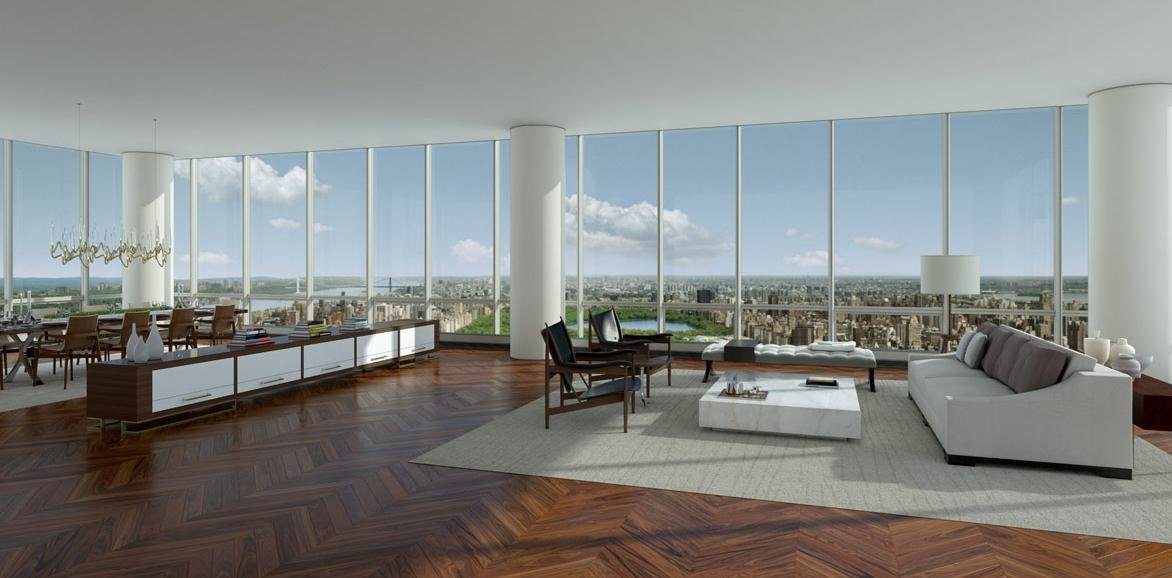
The hedge fund firm billionaire, CEO of Pershing Square Capital Management purchased a duplex penthouse in the One57 sky scraper for over $90 million. The apartment which spans across the 75th and 76th floors of the 90-story building boasts 6 bedrooms, 6 bathrooms, a winter garden enclosed in a 51-foot wide glass. The billionaire however, doesn’t reside in the condo, according to therealdeal.com, the billionaire said he purchased the condo for ‘fun’. The oligarch must have made the purchase as a strategy for business investment.


21. Promised Land – Montecito, California.

Value: $90 million

Owner: Oprah Winfrey

Net worth: $3 billion

Promised Land

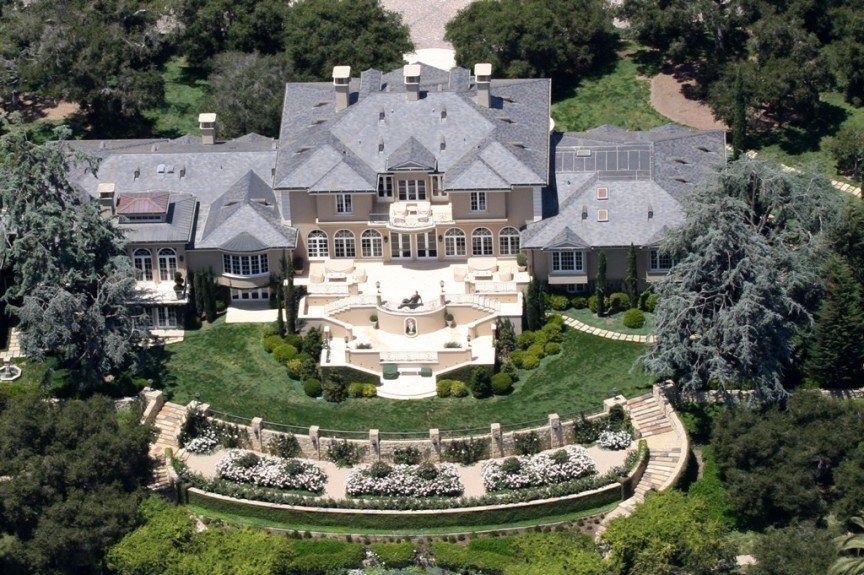
The CEO of the Oprah Winfrey Network aka the Queen of Media, has houses scattered all around America – Hawaii, Chicago, Colorado, New Jersey…but the 23,000-square-foot Georgian-style estate seems to be the most outstanding. The building which sits on a 40-acre land space encompasses 6 bedrooms, 14 bathrooms, 10 fireplaces, over 600 rose bushes, tennis court, tea house, theatre, artificial pond and everything else befitting for a mansion.


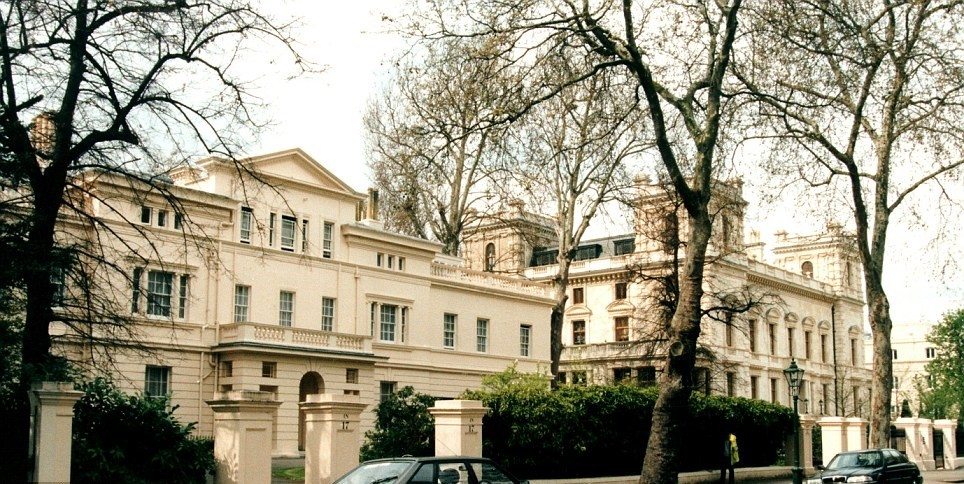
20. Kesington Palace Gardens – London, UK

Value: $90 million

Owner: Lakshi Mittal

Net worth: $12.3 billion

Kensington_palace_Gardens_London Lakshi Mittal

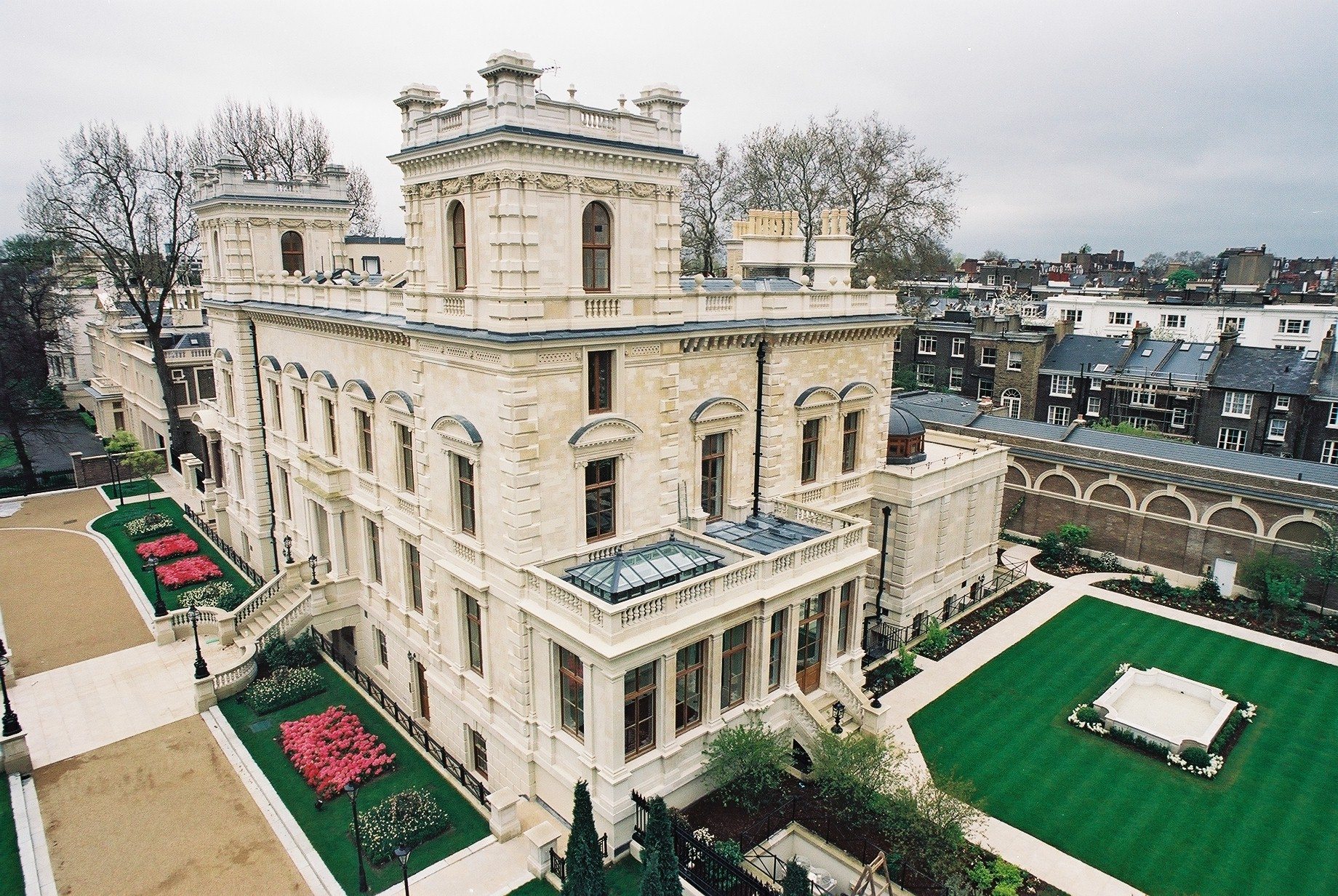
Billionaires row street, home to top business tycoons is absolutely a befitting abode for the steel mogul. He purchased the 55,000 sq ft mansion from Bernie Ecclestone. The home boasts 12 bedrooms, indoor pool, Turkish bath, ballroom and more. After the billionaire spent millions revamping his new house, he dubbed it “Taj Mittal”.


19. Broken O Ranch – Augusta, Montana.

Value: $90-$135 million (estimated)

Owner: Stanley Kroenke

Net worth: $6.3 billion

pintrest.com

pintrest.com

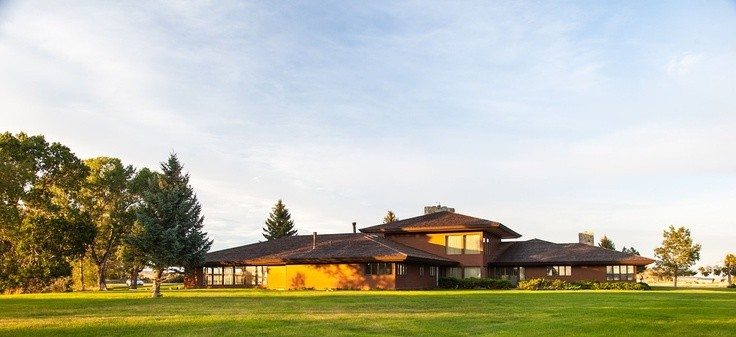
The Broken O ranch serves an all-round agricultural purpose.The 124,000 acre ranch inhabits a 10-square foot main house, indoor pool, horse stables, 3,500 cows, 800 heifers, 175 range bulls. The ranch has 13,000 of its acre well irrigated and produces tons of alfalfa hay, 700,000 bushels of small-grain crops per year. Stanley Kroenke, who is an ardent real estate collector is apparently also a lover of agriculture, having three other ranches to his name.


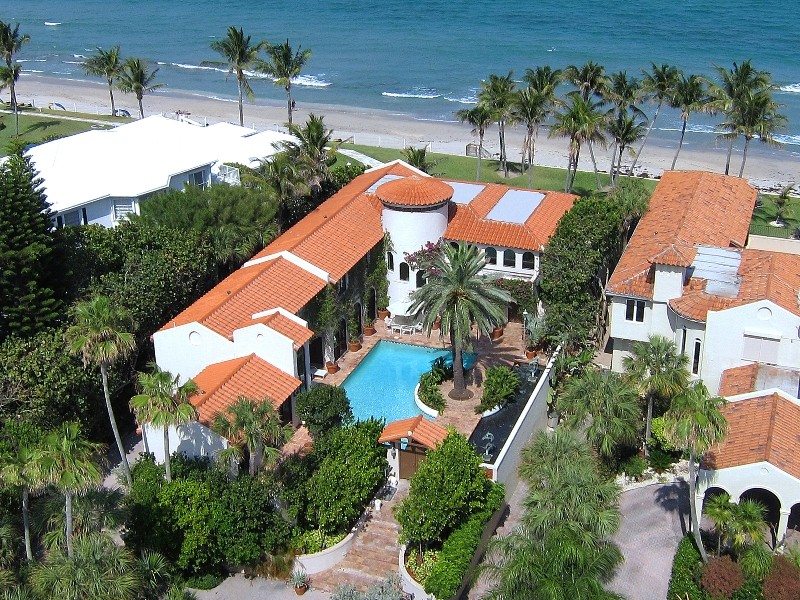
18. Maison de L’Amitie – Palm Beach, Florida

Value: $95 million

Owner: Dmitry Rybolovlev

Net worth: $8.5 billion

Mansion dela'Amittie

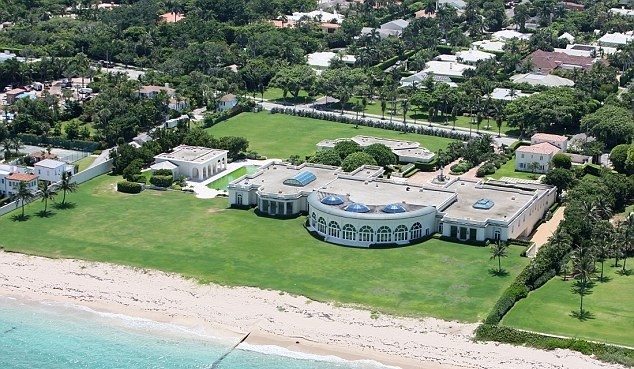
The Russian Billionaire in 2008 purchased the beach house from American property mogul, Donald Trump for $95 million. The extensive mansion includes 18 bedrooms, gold and diamond accessories, 475-foot-long beach, and a parking space capacity of 50-cars. According to Gossip extra, in 2013, the Russian mogul planned to demolish the building because of mold problems.


17. Silicon Valley Mansion – Los Altos Hills, California

Value: $100 million

Owner: Yuri Milner

Net worth: $3.1 billion

Silicon Valley 2

Russian billionaire and Facebook shareholder,Yuri Milner owns the French chateau-style mansion. The extensive mansion has 14 bathrooms, two dining rooms, game room, an outdoor and indoor pool, a ballroom, theatre, and 25,000 square-foot free space. More pictures.


16. Fleur de Lys Mansion – Holmby Hills, California

Value: $102 million

Owner: Unknown

fleur 1

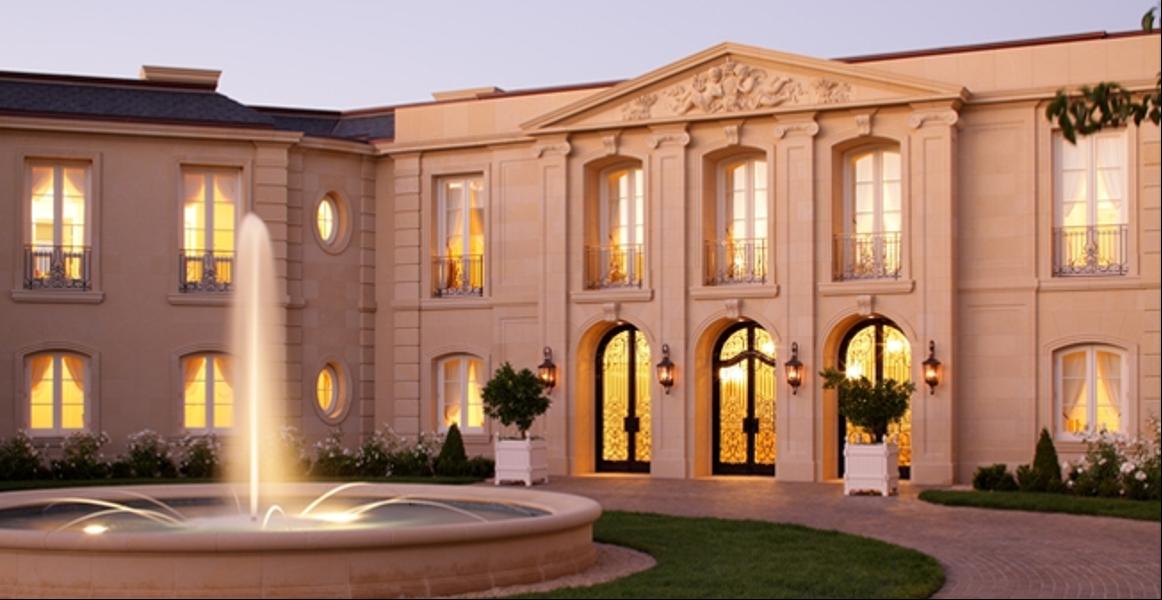
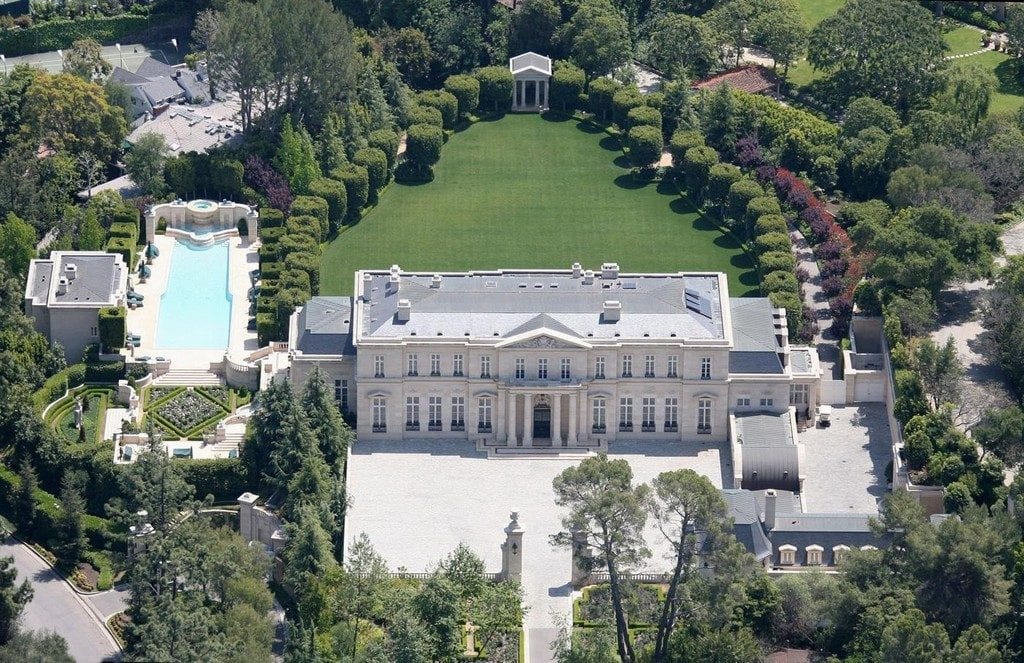
The Fleur de Lys estate, was constructed from the architectural design of Richard Robertson to original owners David and Suzanne Saperstine between 1996 and 2000. After the couple separated and wife gained ownership of the mansion, it was sold in a concealed deal to anonymous French billionaire at a whooping amount of $102 million. That sale made history as it became the only property to ever been sold at that price in LA. The private abode consists of 15 bathrooms, 12 bedrooms, 2 kitchens, a massive movie theater, a ball room, a tennis court, a gym, a pool, and a nine vehicle garage. The property sits on a 4.6 acre plot.


15. Further Lane de Menil – East Hampton, New York

Value: $103 million

Owner: Ron Baron

Net worth: $2 billion

Further Lane

forbes.com

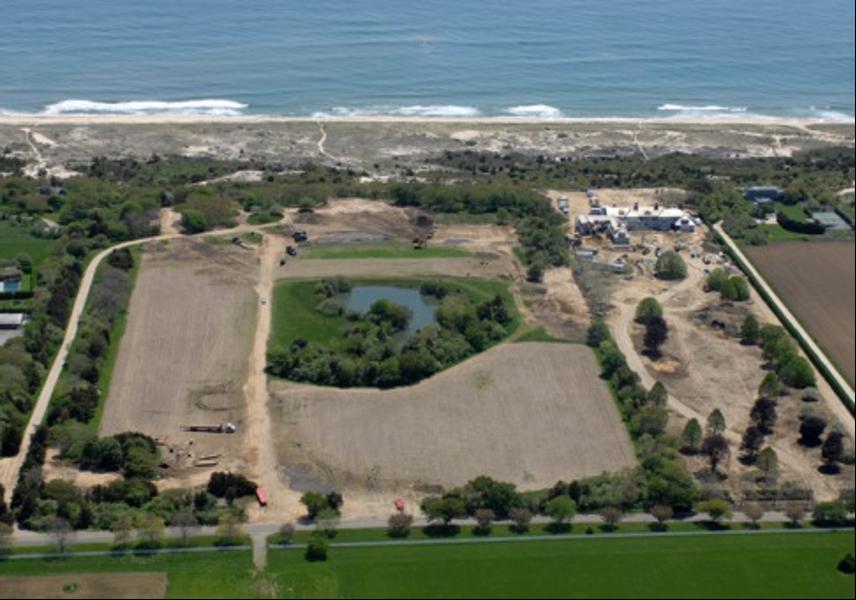
The Hampton’s beach side landed property was acquired by mega investor at $103 million in 2007. The billionaire plans to raise his mansion on the 50-acre space.


14. Mountain Home Road – Woodside, California

Value: $117.5 million

Owner: Masayoshi Son

Net worth: $14 billion

forbes.com

forbes.com

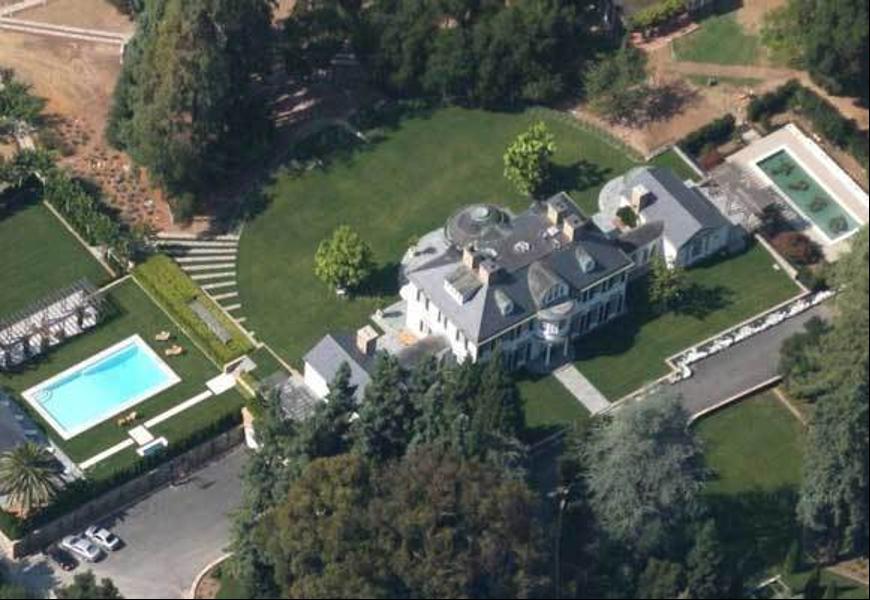
The Japanese Softbank billionaire’s 900,000 square-foot  manor is simply a masterpiece. The building features with a pool with a 1170 square-foot portico,  a tennis court, an isolated library, a separate leisure building, and well-groomed ceremonial gardens.


13. Copper Beech Farm – Greenwich, Connecticut

Value: $120 million

Owner: Unknown

Copper Beech house

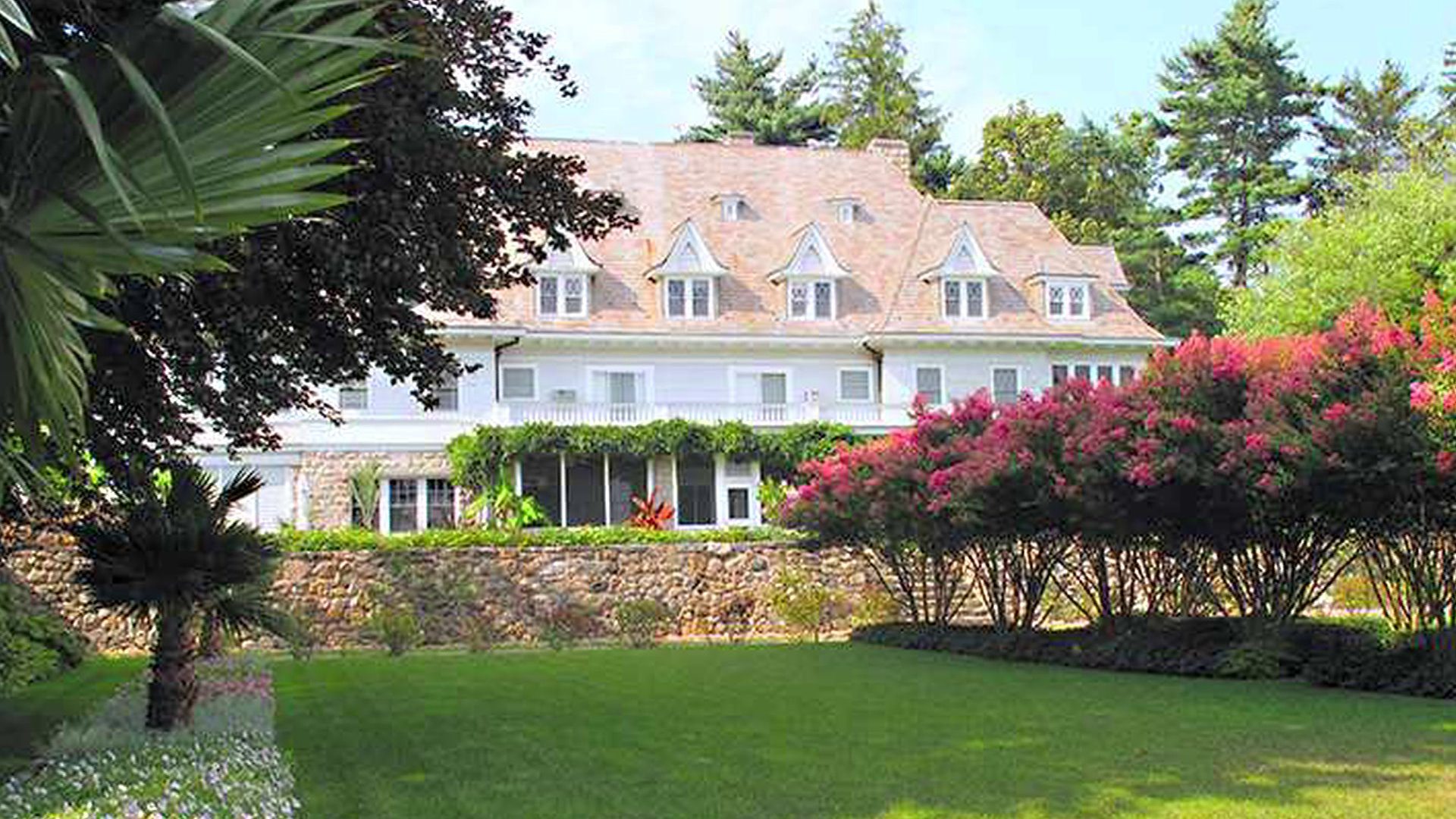
Previously the property of timber magnate, John Rudey, the waterfront mansion which has been in existence since the 1890’s was sold in April, 2014 at $120 million to an anonymous buyer. The 13,517 square foot mansion with two islands consists 12 bedrooms, 8 bathrooms, grass tennis court, 75-foot pool, and a wood-paneled library.


12. Xanadu 2.0 – Seattle, Washington.

Value: $121 million

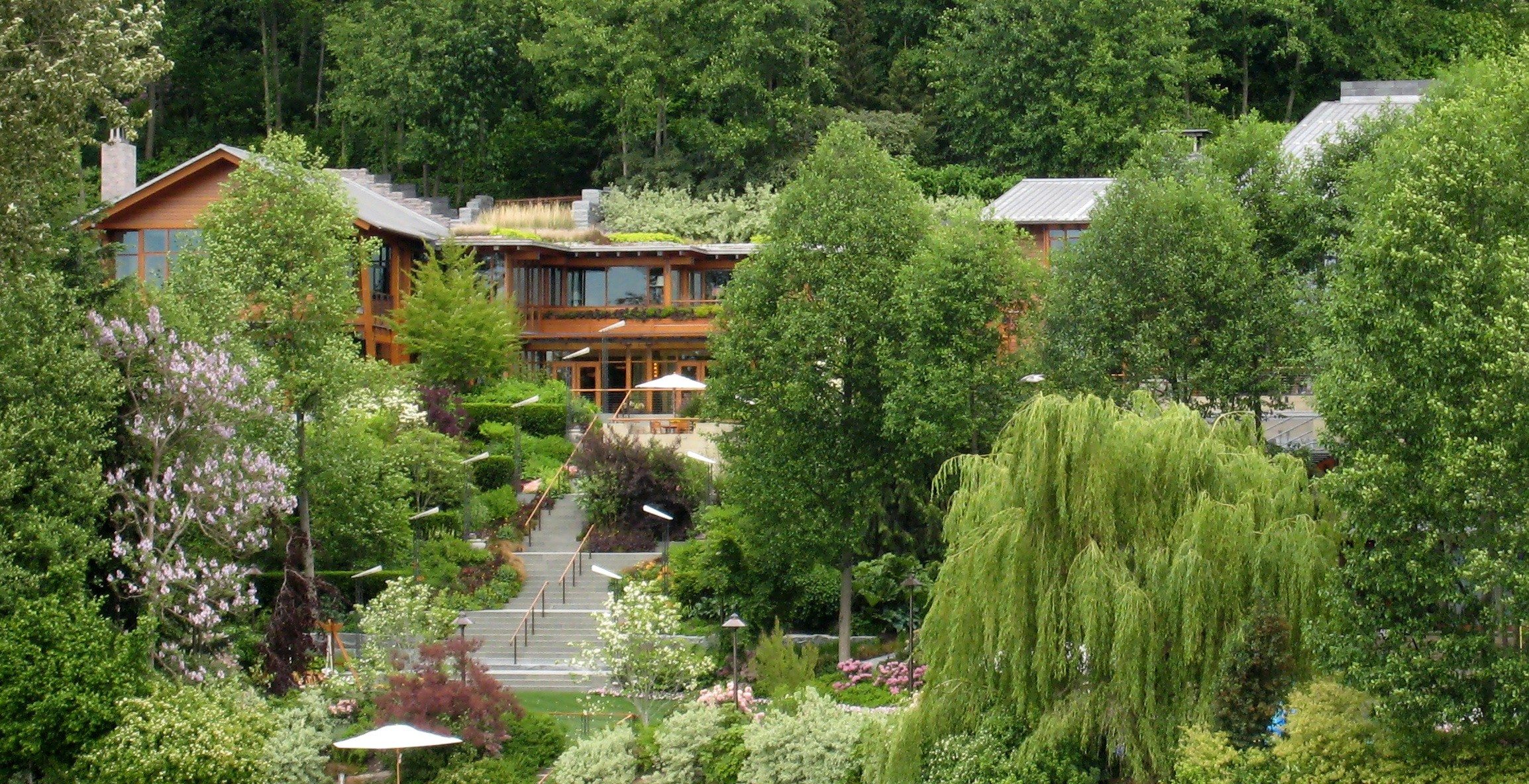
Owner: Bill Gates

Net worth: $80 billion

Xanadu bill gates

wikipedia.org

Perhaps the most fascinating feature of the Microsoft owners’ high-tech customized abode is the underwater sound system in its pool. The lake Washington estate also features a 2300-square-foot reception hall, 2500-square-foot gym, a 2100-square-foot dome-shaped library, a 6,300-square-foot underground garage and many other classic facilities.


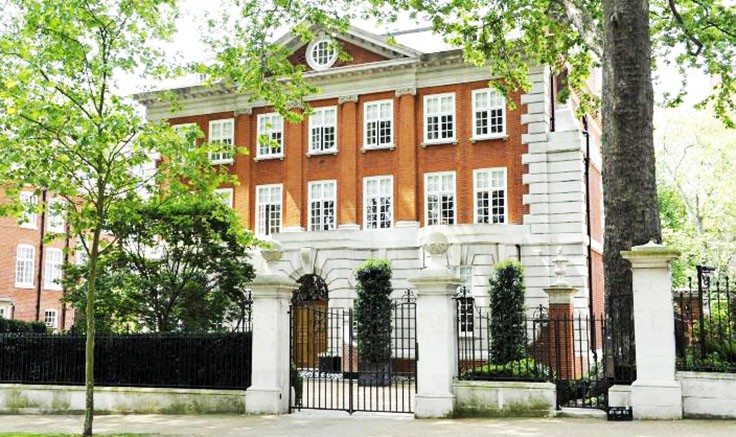
11. Upper Phillimore Gardens – Kensington South-West London

Value: $126 million

Owner: Victor and Elena Pinchuk

Net worth: $1.5 billion

Franchuck

The Victorian villa, once the most expensive house in the world is now a property of business magnate, philanthropist Victor Pinchuk who is married to the former Ukrainian presidents daughter, Olena Pinchuk, ownership valid from 2008. It is revealed the new owners spent about $15 million modifying their villa to their taste. Though the exteriors look quite regular, the interior of the 5-story building is the exact opposite, having the most sophisticated luxuries including an underground pool, hi-tech panic room, a spa, a gym, and a cinema.The villa has ten bedrooms.


10. Blossom Estate – Palm Beach, Florida

Value: $130 million

Owner: Ken Griffin

Net worth: $7 billion

Blossom-Estate-Palm-Beach

This is actually a four-in-one property, the 8 acre oceanfront estate is made up of four buildings, situated abreast each other. Owner, Ken Griffin founder of Citadel demolished the fourth building. It is reported that all four buildings were once used as a single estate.


9. Kesington Palace Gardens – London, UK

Value: $140 million

Owner: Roman Abramovich

Net worth: $13 billion

Kensington-Palace-Gardens-London, Roman Abramovich

Russian billionaire and owner of English football club also owns a number of mansions in London. The famous Billionaires’ Row Street mansion seems to be the most outstanding. The autocrat’s refurbish plan for his abode include an underground tennis court, a museum, and a health centre.


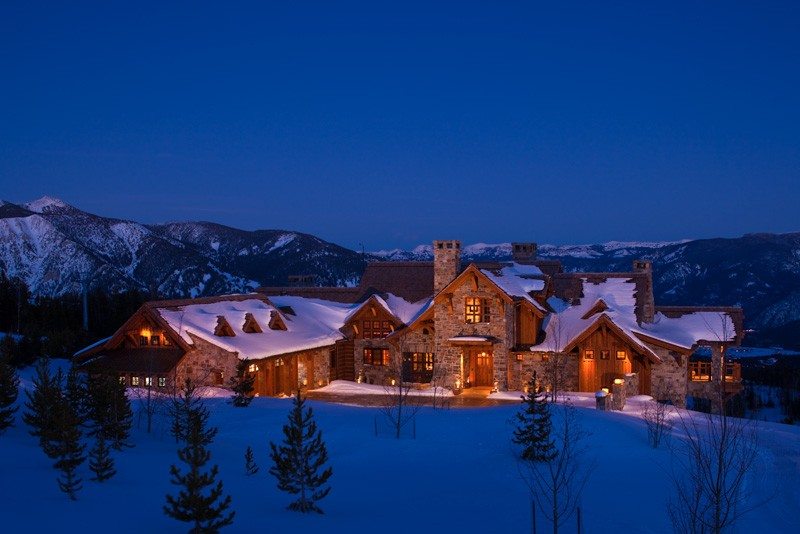
8. The Pinnacle – Montana, US

Value: $155 million

Owner: Tim Blixseth

Net Worth: $1.2 billion

The-Pinnacle-in-Montana-USA

The ski lovers will absolutely get dreamy about this one, as this building has a skiing ground for its immediate surroundings. The ski-property is situated within the billionaire Yellowstone club resort and belong to billionaire couple Time & Edra Blixseth. Despite the snow, the building feels as warm as you would like as every nook and cranny is fitted with heating systems. Making up the house are ten bedrooms and bathrooms each with a fire-place, an outdoor and indoor pool, a wine cellar and a gym.


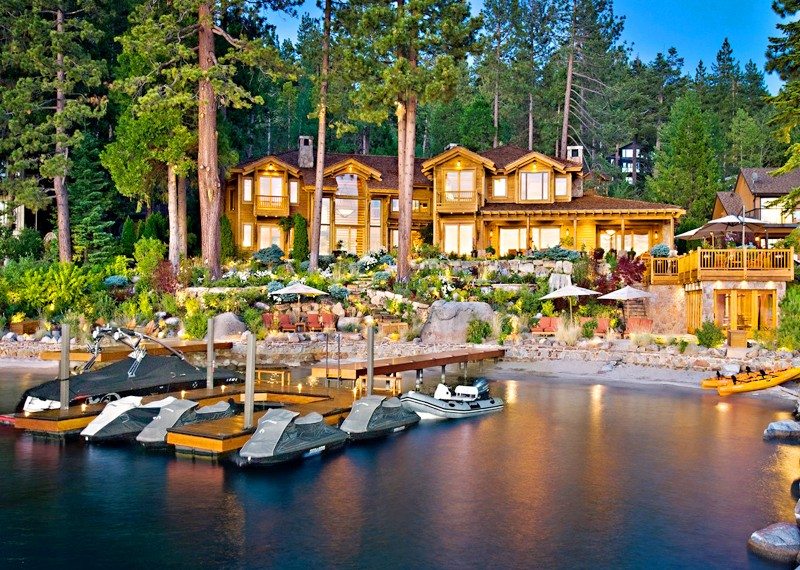
7. Ellison Estate – Woodside, California

Value: $200 million

Owner: Larry Ellison

Net worth: $49.3 billion

Ellison-Estate

The Oracle founder built a Japanese style manse in 2004, Larry Ellison is a real estate fanatic and owns numerous properties. The world’s 5th richest man’s estate touts, 10 buildings, an artificial pond, a tea house, a koi pond and a bath house.


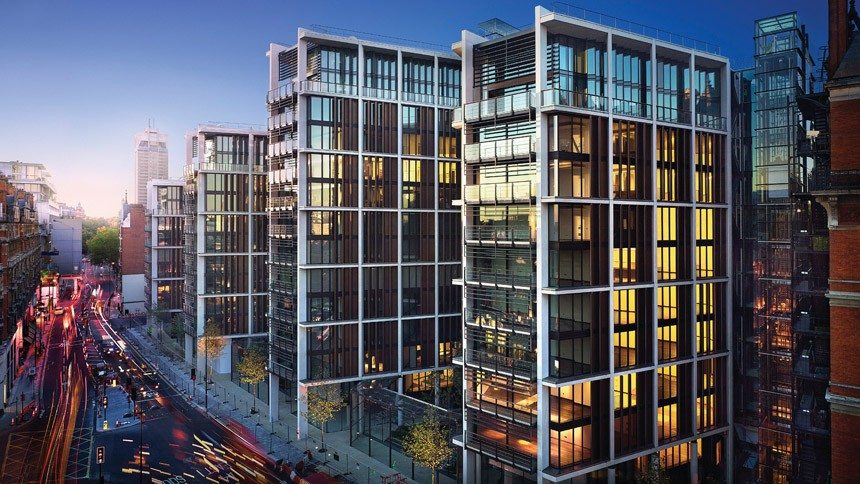
6. One Hyde Park Penthouse – Knightsbridge, Central London

Value: $221 million

Owner: Rinat Akhmetov

Net worth: $6.9 billion

One-Hyde-Park

The One Hyde park is considered to be the world’s most expensive apartment building, since its debut in 2011, the 86 residence capacity has sold up to $3.37 billion. Little wonder why its unfinished penthouse without interior wall, bathrooms or flooring costs a total of $221 million. The penthouse sizes up to 16,000 square foot. It has been speculated that bringing the penthouse to a desired finish will cost nothing less than  $266 million. Exciting amenities in One Hyde park includes, top security facilities like bulletproof glass doors and windows, standby, armed and professionally trained security guards,  basement car park, exquisite spa, golf course, car cleaning services, pool, to mention but a few.


5. Kesington Palace Gardens – London, UK

Value: $222 million

Owner: Lakshi Mittal

Net worth: $12.3 billion

Kensington-Palace-Gardens-London

The Indian billionaire owns not one but three houses on the highly secured billionaires row street This one sold by hedge fund billionaire Noam Gottesman was purchased for his son Aditya Mittal.


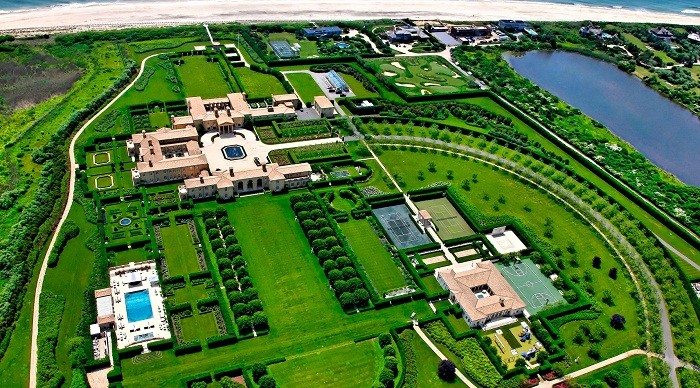
4. Fair Field – Segaponack, New York

Value: $249 million

Owner: Ira Rennert

Net worth: $6.1 billion

Fairfield

The Hampton residence of billionaire Industrial investor, Ira Rennert, was completed within the space of 5 years, from 1998-2003. According to thepinnaclelist.com ,the home is said to be the largest and most expensive home in America. The home constitutes 29 bedrooms, 39 bathrooms, 3 swimming pools, 164-seat screening theatre, 2 tennis and squash courts, and its very own remarkable on-site power plant.


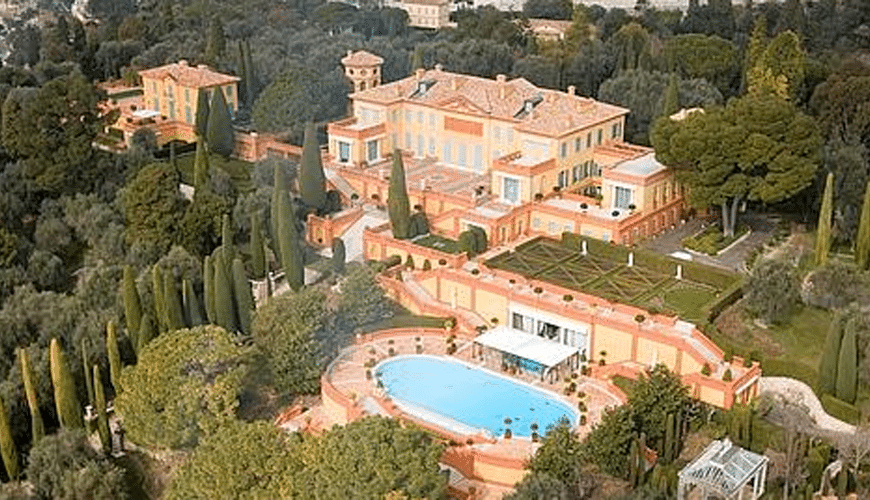
3. Villa La Leopolda – Cote D’Azure, France

Value: $750 million

Owner: Lily Safra

Net worth: $1.3 billion

Villa 1

The amazing structure derives its name from original owner, Late King Leopold II of Belgium. The Architectural credit of this masterpiece goes to the American, Ogden Codman, Jr. The design and building process was concluded within the space of two years from 1929 to 1931. The king gave the estate to his mistress Miss Blanche Zélia Joséphine Delacroix, which was later inherited by the King’s nephew King Albert I after his death and the eventual eviction of his mistress. Ownership of the great building has evolved over the years. As of 2008, the property was purchased by Lily Safra at a price of $736 million. Siting on 50 acres of land, it features 11 bedrooms, an outdoor kitchen, a pool, and everything else.


2. Antilla – Mumbai, India

Value: $1 billion

Owner: Mukesh Ambani

Net worth: $20.8 billion

mumbai 2

This 27-story, 56,000 ft sky scraper is actually a residential building, belonging  to the 5th richest man in the world, and richest man in India, Mukesh Ambani. This extraordinary structure was designed by Americans Lawrence Perkins and Phillip Will and constructed by Leighton holdings. There’s a lot to be said about this building but to satisfy curiosity I’ll just go straight to its incredible features; 9 elevators to move you through its floors, 3 helipads, 6 parking lots, with a total of 168 car capacity, pools, a well cultivated balcony garden with its plants serving as energy-savers occupying 3 floors, a temple for family prayers, a health spa, snow room, ice cream room, a saloon, a 50-seater cinema, a ballroom, a gym, indoor and outdoor bar. The building is tended to by 600 staff with their own relaxation room. It is constructed to withstand 8 Richter scale earthquake. This you would agree with me is a 21st century wonder.


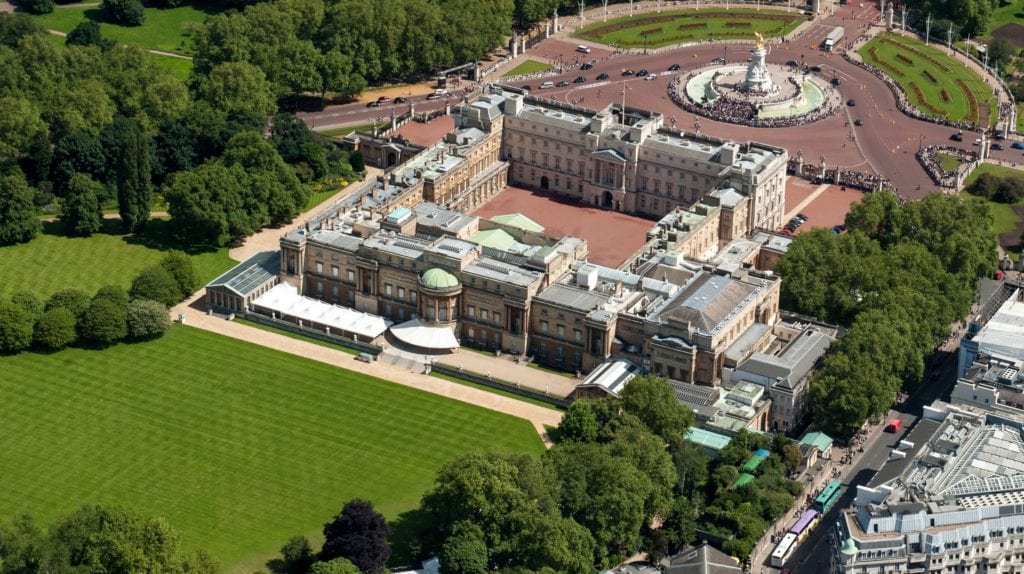
1. Buckingham Palace – London

Value: $1.5 billion

Owner: British Sovereigns

buckingham

Yes! It is indeed a palace, official home to the one and only Queen of England, and other British sovereigns. Located it Westminster, London, It was built in 1703 to the Duke of Buckingham and stands on about 40 acres of land.

Since its existence, the palace has undergone several modifications and additions to make it a befitting abode for the royals. You shouldn’t expect anything less from this palace, from the magnificent and stunning artworks, to  gorgeous heavenly chandeliers, to gold-plated wares and furniture, the Buckingham palace is absolutely glorious almost indescribable.

The palace encompasses  775 rooms including  188 staff bedrooms 52 Royal and guest bedrooms 92 offices 78 bathrooms and 19 State rooms. Other facilities include; a pool, lake, tennis court, cinema, staff eatery, chapel, hospital and many more, and of course you know royalties go nowhere without their security and servants, they really do enjoy having everything at their beck and call.


Categories
Articles Learning

Introduction To Auto desk AutoCAD | DAY 2

Learn AutoCAD basics: DAY 2

Not like the previous DAY, we are going to start learning cool things today. Not to say that DAY 1 was useless, that helped to warm up.

We have lately learn the basic basics in AutoCAD, and you should by now know the environment and I have no doubt that you are familiar with common words used here to describe stuff such as Command window, Status Bar, Navigation bar…

LEARN AUTOCAD BASICS

We will use the image below, and try learning all things we need to learn to be able to create something similar using AutoCAD.

We’ve learned a little how to use the coordinate system to create lines in AutoCAD. In this Session, we will forget a little about the Cartesian coordinate system.

learn-AutoCAD

It is true that using the Cartesian coordinate system we could draw lines with specified dimension, but this method is more convenient and is the one you will be making use of in the future.

Read more about how you can create lines and play with their angle

EXECUTION

To create the image above

STEP 1

Draw the line of 80 units

  1. Click on LINE
  2. Specify the first point
  3. Make sure the ORTHO mode is ON, Move your mouse rightward, type 80 and Press Enter
  4. Press Esc

STEP 2

Start the second line from the first point of the 80 units line, and draw the second line with an inclination angle of 58 degrees.

learn-AutoCAD

STEP 3

Draw the third line. It is a straight horizontal line.

learn-AutoCAD

STEP 4

All you have to do now is to create a line from the 2 open points shown on the figure in step 3.

EXERCISE

Here is a good exercise that will help you practice what we have just learned. I will suggest youlearn how to use the ROTATE command in AutoCAD before trying to do the following exercise.

Autocad-tutorial

In case of difficulties, I would like you to know that I solved this step by step few days earlier.

Categories
Articles Learning

Introduction To Auto desk AutoCAD | DAY 1

Learn AutoCAD basics: DAY 1

Welcome to Learn AutoCAD 2D basics in 21 DAYS!

Here is the first DAY. We will on this journey make use of all basic commands in AutoCAD.

The  Attempt: Handing you enough skills that you give you confidence to continue learning auto-didactically.


LEARNING AUTOCAD BASICS

Today we will start from what you need to know on Day 1. You need to have visited theseAutoCAD tutorial before diving into the following. (Jump this step and read further down, if you feel that you can handle the rest of the content without needing anything else, feel free to do so).

COORDINATE SYSTEM

In AutoCAD, the Drawing Area is composed by a sheet in which every location has the particularity of having its own coordinate represented by x, y and z.

Learn-AutoCAD

Since we are going to be solely working in 2D in this series, we can forget about the z component of the coordinate system.

Looking at the following image, you will notice that each corner of the figure has a coordinates.

Learn-AutoCAD

Though it is true you wont be using this a lot while drawing in AutoCAD, we will spend a minute talking about it. At this point, I will suggest you disable the Dynamic input before trying the following.

We will try creating the previous image using the coordinate system and the command window. It is simple, the concept will be to use the four points to draw the quadrilateral.

To do that using autoCAD:

1. Type LINE and Press Enter
2. Type 9,9 and Press Enter
3. Type 25,9 and Press Enter
4. Type 20,17 Press Enter
5. Type 14,17 Press Enter
6. Type 9,9 And Press Enter
7. Press Esc

The first step allows to activate the LINE command. (Learn more about the LINE command)

The second step allows to specify the starting point of the line and the same goes for next steps.

The last Step allows to Cancel the LINE command.

In AutoCAD stroking Esc (ESCAPE) allows to exit a command.

At this stage, you are not using the computer mouse, and you are require to pay close attention to the command windows while drawing. As we go, we will learn more about the command windows and how to use your mouse in AutoCAD.

EXERCISE

Use the technique we have just learned to create the following.

learn-AutoCAD

Note you can start from any point.

Categories
Post

What is Architecture ?

As an architect I am in constant flux of what it is I do. I don’t construct buildings or fund projects — I design. But what the hell does that mean?

The architectural profession has done a horrible job of conveying A) what it is that architects do, and B) why we’re even necessary to society. We can postulate the essence of architecture, and we can criticize architecture on both a theoretical and substantive level, but can we even define what architectural design means?

At least at this point in my life, and this place in time and space, I define architectural design as problem solving by adding value. To try to break it down to its most simplistic state, we design to solve a problem. But design goes beyond just solving problems. I solve problems in my black-belt Sudoku puzzle book (truth be told, I’m more like an orange belt), but that’s not design. Where’s the value to society? Who really benefits by me sitting in the bathroom filling out squares with a number between one and nine?
10848616_845398418860123_415058118555106134_o
There’s always been that faint distinction between art and architecture (at least by my turtleneck-wearing brethren), but the true difference is that art doesn’t solve a problem. Sure, it inspires the uninspired, and it ruminates the people who can’t tie their own shoes, but it doesn’t solve a problem. Likewise, architecture that doesn’t solve a problem, such as not fulfilling the intended program of the building, becomes art. If people can’t use the building, then what problem was solved? (Yes, you’ve kept the elements out, and bears are deterred from attacking the inhabitants, but if the program is not fulfilled then the building’s not very useful.)

Nestlé Chocolate Museum / Rojkind Arquitectos. Image © Paúl Rivera

I don’t want to come across as someone who thinks architecture should fulfill its utilitarian purpose and be good. I think every piece of architecture not only can inspire but should inspire. To make bad architecture into great architecture takes a little more effort (although it typically takes a whole lot more talent).

Categories
Project types Site Planning

Najaf City 1 & 2

Type
Residential Complex
Year
2011
Locatio
Najaf - Iraq
Style
Modern
Situation
Proposal
Sector
Private - Residential
Description:
Najaf ,is a city in Iraq about 160 km (roughly 100 miles) south of Baghdad. Its estimated population in 2008 is 560,000 people. It is the capital of Najaf government. It is widely considered the third holiest city of Shi’a Islam and the center of Shia political power in Iraq. The city is home to the Imam Ali Shrine, and hosts millions of pilgrims yearly.
Twitter
Visit Us
Follow Me
Youtube
Youtube
Pinterest
Pinterest
fb-share-icon
LinkedIn
Share
INSTAGRAM
Categories
Project types Site Planning

Marina City

Type
Residential Complex
Year
2009
Locatio
Erbil - Iraq
Style
Luxury - Modern
Situation
Under Construction
Sector
Private
Description:
Erbil, known as Hewlêr, is the largest city and capital of the Kurdistan Region in Iraq. It is located 88 kilometres east of Mosul and has a permanent population of approximately 1.5 million as of 2013
Twitter
Visit Us
Follow Me
Youtube
Youtube
Pinterest
Pinterest
fb-share-icon
LinkedIn
Share
INSTAGRAM