We’re alreay halfway through the year and developments in the world of 3D artdon’t show signs of slowing down any time soon. With plenty of tools and updates hitting the scene, let’s dive in with the top 5 tools for June.
1. Laubwerks
Laubwerks are touted as the best foliage kits in the business
If you’re into architectural visualisation or environment work then it’s very likely that you will need foliage of some kind. Over the last few years Laubwerk have produced some of the best quality foliage packs around.
What makes them special is not just the excellent models and accompanying textures but the implementation. Not only doe they ship plugins for various host apps but the Laubwerk player also lets you dial in attributes for your plants, from age of plant to the season, with materials and meshes responding appropriately.
Now, Laubwerk have released their first shrub pack, as well as a new Maya player, bringing these top quality kits to an even bigger user base.
2. Modo 10.1
10.1 adds a large feature list to the previous release and will please modelers
Not that long ago the foundry announced their new model for development of modo and now we are seeing the results of the second edition in this series, 10.1.
10.1 is solidly focused on modelling and brings to the table far more than can be talked about here but the highlights are some huge additions and improvments to MeshFusion, the versatile Boolean system. With similarities to Zbrush’s shadowbox it allows the user to create Booleans from different angles, making complex shapes far easier than traditional methods.
Also a big new feature, and one that joines forces with other areas of modo, is the procedural modelling system,. With many uses it’s hard to describe fully here but see it as a way of creating and editing models non destructively, with operators able to be freely moved, adjusted and animated.
10.1 is a big release so head to the product page to read more and see some of the demo videos.
3. Guide to GPU rendering
In depth guide to rendering on the GPU is free to all registrants
The battle for rendering supremacy is raging away, with both GPU and CPU camps having good points to make. However understanding the benefits of one system over another is not always that simple but Chaos Group Labs have come to the rescue, with this in depth and best of all, free guide on how working with a GPU can make your life as a cg artist easier, or at least quicker.
Of course there’s a slant towards V-Ray but that is in some ways irrelevant. The pros and cons are the same and the authors have put together a really comprehensive guide, covering everything from compute power background and history to what the future could hold.
4. Spline connect
The most efficient way of connecting spline segments is only $15
Default Cinema 4D installs don’t provide a way of easily connecting spline objects but Mike Udin, has the answer. His new Fast Spline Connect plugin, available from cgtools, makes it about as simple as any command can be.
At just $15 it’s impossible to resist if you ever work with splines and should really be a part of the standard feature set. Seeing as Cinema 4D has such a large user base we can certainly see this being a popular plugin.
5. Autodesk Industry collections
Autodesk’s new collection is a rent only affair, although cheaper than pervious iterations
If you are a fan of Autodesk software but your budget prohibited signing up tho their subscription service there’s some good news. The big ‘A’ have reshuffled their software suites into ne ‘industry collections’, which contain the same core products as before, although obviously not softimage, and they come out at a fairly substantial reduction in yearly cost (around $300 depending on your choices).
On top of this the new collections also sign you up to a new cloud service, for rendering, storage and other tools like the character builder.
There will no longer be the option to buy a perpetual license however, so if you really need to use the software plan ahead.
You definitely feel refreshed when ever you heard the name “Garden”. No doubt Garden is a place where you can find peace of mind,fragrance of flowers, Birds chirping, fresh breeze, soothing environment which takes your soul to some other level. A morning walk in a garden is really blessing for you. Meet 10 of the world’d most beautiful gardens. These places, created by humans to feel the blessings of nature. These are some of the well designed, built and most beautiful gardens from around the world.
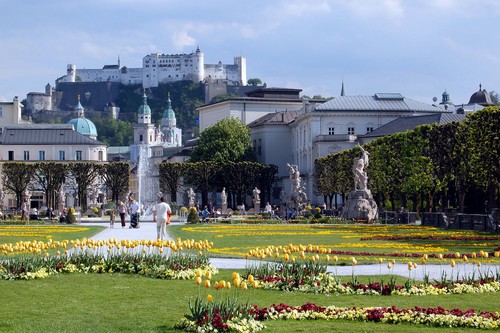
10. Mirabell Gardens, Salzburg, Austria
Another classical European garden in the vein of Versailles and the Tuilleries. Mirabell Palace with its beautiful gardens is a listed cultural heritage monument and part of the Historic Centre of the City of Salzburg UNESCO World Heritage Site. The Palace was built by Prince-Archbishop Wolf Dietrich von Raitenau in 1606. This beautiful garden redesigned in 1690, are full of beautiful sculptures, fountains, floral displays and a Dwarf Garden composed of marble creatures. The Hedge Theater – created between 1704 and 1718 – is located in the main part of the Mirabell Gardens and is one of the oldest hedge theaters north of the Alps. For “Sound of Music” fans, the baroque gardens are a must-see: Maria and the von Trapp children frolick through the grounds in the classic musical.
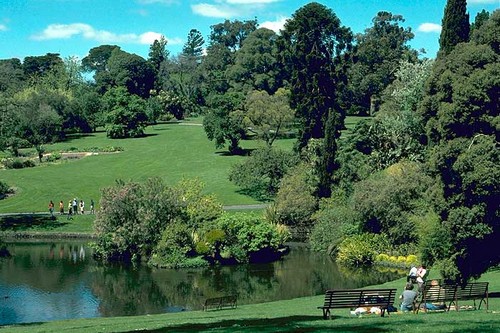
9. Royal Botanic Gardens, Melbourne, Australia
The Royal Botanic Gardens Melbourne are internationally renowned botanical gardens located near the center of Melbourne, Victoria, Australia, on the south bank of the Yarra River. These beautiful Gardens extends over nearly 100 acres of park lands that include a children’s garden, aboriginal heritage walk, herbarium discovery walk, and observatory. Plus, enjoy special events like Philosophy in the Garden, Harp in the Garden, and Yoga for Kids in the children’s garden. The park is one of the most popular destinations in Victoria, with over 1.5 million visitors each year, according to That’s Melbourne.
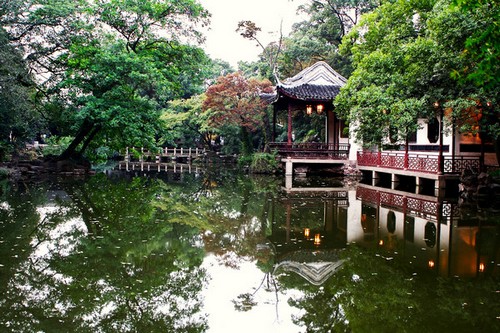
8. Ji Chang Yuan, Jiangsu, China
Located inside Xihui Park, this originally 16th-century garden in Jiangsu province is also known as the Garden of Ecstasy – which promises much. But it also delivers. This is a garden of illusion, occupying barely an acre but giving an impression of depth, breadth and height. An artificial mountain in distinctive yellow rock appears to be a natural part of the hilly landscape surrounding the garden, and a decorous “musical” stream gurgles down it into a long pool, its many inlets creating a feeling of naturalism. A beautiful low-eaved pavilion extends over the water at one point, while the far end of the pool is dignified by the Bridge of Seven Stars. Beyond this the garden dissolves into more compartments with pavilions and allées. The fact that the garden was comprehensively restored in the 19th century does not alter the fact of its beauty.
7. Bagh-e Fin, Kashan, Iran
Bagh-e Fin, located in Kashan, Iran, is a historical Persian garden. It contains Kashan’s Fin Bath, where Amir Kabir, the Qajarid chancellor, was murdered by an assassin sent by King Nasereddin Shah in 1852. Completed in 1590, the Fin Garden is the oldest extant garden in the list of most beautiful gardens in Iran. The garden covers 2.3 hectares with a main yard surrounded by ramparts with four circular towers. It features the typical “chahar bagh” design of crossed water rills, derived from verses in the Koran which describe paradise as a land where two rivers cross. In this case the water is drawn from the mountains via an underground system of quanats, or pipes. The garden contains numerous cypress trees and combines architectural features of the Safavid, Zandiyeh and Qajar periods.
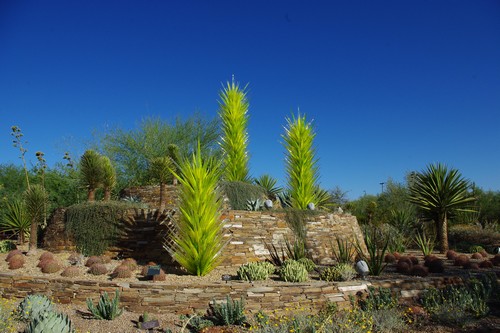
6. Desert Botanical Gardens, Phoenix, Arizona
Founded by the Arizona Cactus and Native Flora Society in 1937 and established at this site in 1939, the garden has more than 21,000 plants, in more than 4000 taxa. While there are a number of stunning botanical gardens across the U.S., Phoenix’s Desert Botanical Gardens is one of the best and most beautiful gardens, offering a unique glimpse at a variety of desert flora. Visitors should be prepared to face the heat and dryness, but it’s worth it for a tour of the extensive park, surrounded by vibrant red rocks. The Desert Botanical Garden has been designated as a Phoenix Point of Pride and listed among the list of most beautiful gardens.
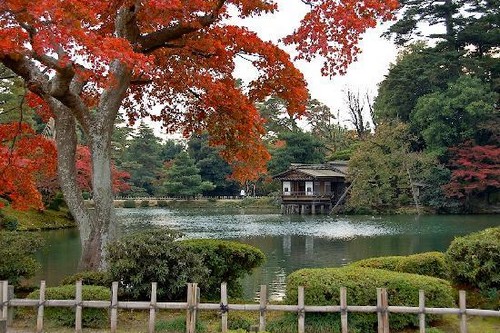
5. Kenroku-en Garden, Ishikawa, Japan
One of Japan’s Three Great Gardens, the Kenroku-en (“garden combining six”) Garden is a haven of peace and tranquility in Ishikawa. With an area of 11.4 hectares located on the heights of the central part of Kanazawa and next to Kanazawa Castle. The Maeda family, who ruled the Kaga Clan in feudal times, maintained the garden from generation to generation. From its scale and beauty, it is regarded as one of the feudal lords’ most beautiful gardens in Japan. The garden is particularly stunning during cherry blossom season in the spring, and admission is free for two weeks at this time.
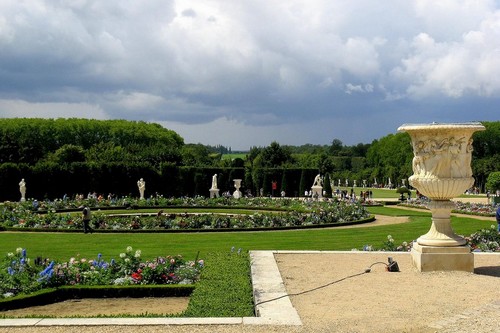
4. Gardens at the Versailles Palace, France
The historic gardens at the Versailles palace are some of the most impressive in all of Europe. These beautiful gardens cover some 800 hectares of land, much of which is landscaped in the classic French Garden style perfected here by Linnea. The grounds of Louis XIV’s luxurious palace were a point of pride for the Sun King, who thought the gardens to be as important as the palace itself. Visitors can spend days in the gardens alone, enjoying the flowers, fountains, winding paths and scenic vistas. The gardens are now one of the most visited public sites in France, receiving more than six million visitors a year.
3. Majorelle Garden, Marrakech, Morocco
The Majorelle Garden is a twelve-acre botanical garden and artist’s landscape garden in Marrakech, Morocco. Its stunning cobalt blue accents make it easy to distinguish from any other botanical garden. Owner Yves Saint Laurent, the legendary fashion designer, even named a shade of nail polish from his luxury cosmetics line after it. Created in the 1920s by painter Jacques Majorelle, the garden has been named one of The Telegraph’s 50 Most Beautiful Gardens in the World, and is also one of the most popular tourist destinations in Morocco. The garden also houses the Islamic Art Museum of Marrakech, whose collection includes North African textiles from Saint-Laurent’s personal collection as well as ceramics, jewelry, and paintings by Majorelle.
2. Claude Monet’s Garden at Giverny, France
One of the world’s most beautiful gardens, Monet’s Garden in France. The garden was property of Oscar-Claude Monet, a founder of French Impressionist painting. Monet’s gardens are like his paintings — brightly colored patches that are messy but balanced. Flowers were his brushstrokes, a bit untamed and slapdash, but part of a carefully composed design. The painter lived at his house in the French countryside for 43 years, carefully cultivating his flower gardens and water garden. The grounds and house are open to visitors April through October. Tour the property, snap photos of the famous water lilies and visit the nearby Musee des Impressionnismes while you’re there. This garden is truly owns a spectacular place in list of beautiful gardens.
1. Kirstenbosch, Cape Town, South Africa
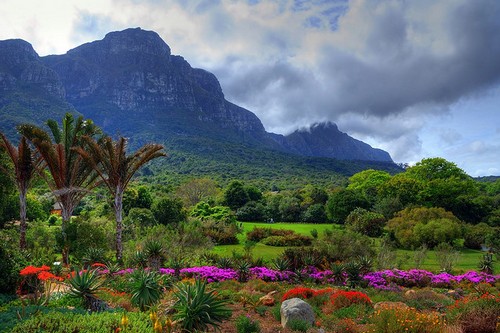
Kirstenbosch is South Africa’s world-famous national botanical garden, set against the backdrop of Table Mountain and Devil’s Peak, and home to more than 22 000 indigenous plants. We include this garden at the first place in our list of most beautiful gardens because of its beautiful and awsomagic environment. When the garden was founded in 1913 to preserve the country’s unique flora, it was the first botanical garden in the world with this ethos. Of particular interest to foreign visitors are the Protea garden – a showcase of these other-worldly plants – and the area devoted to Restio grasses, huge swathes of them in their characteristic deep greens and browns. It was discovered relatively recently that these plants need smoke from bush fires to reproduce, and Kirstenbosch has led the way in unravelling the mysteries of this process.
It’s The Biggest Cruise Ship Ever Built… Here’s Some Surprises You’ll Find On board
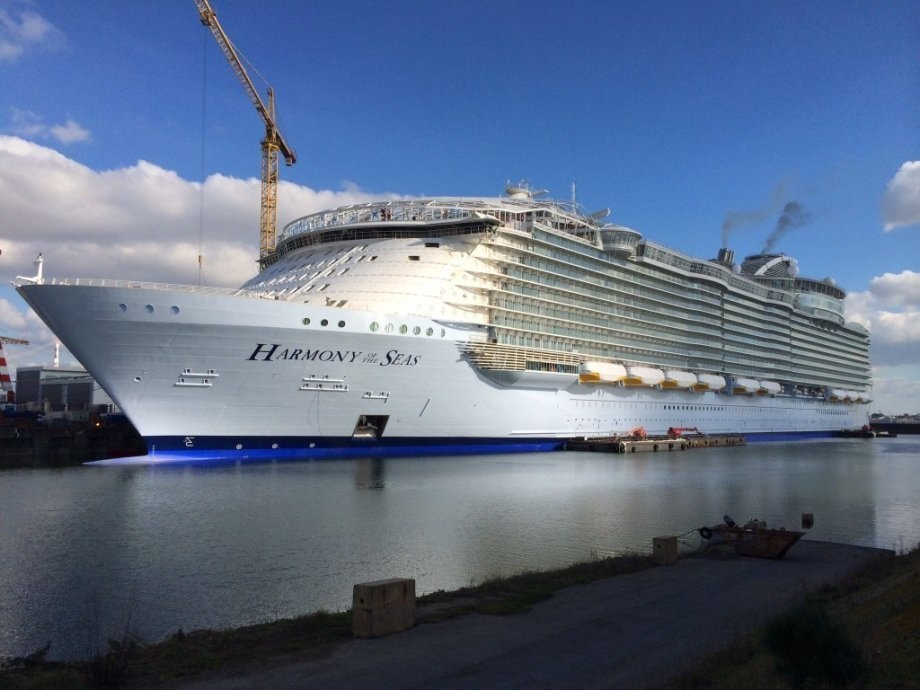
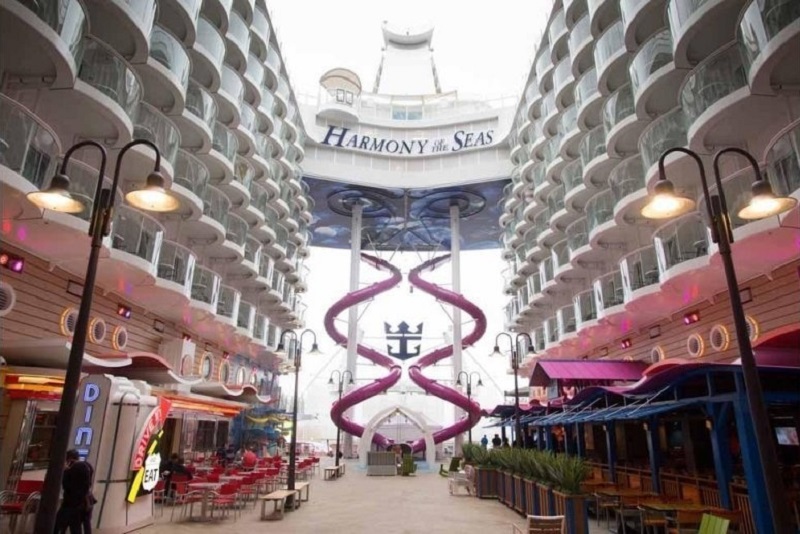
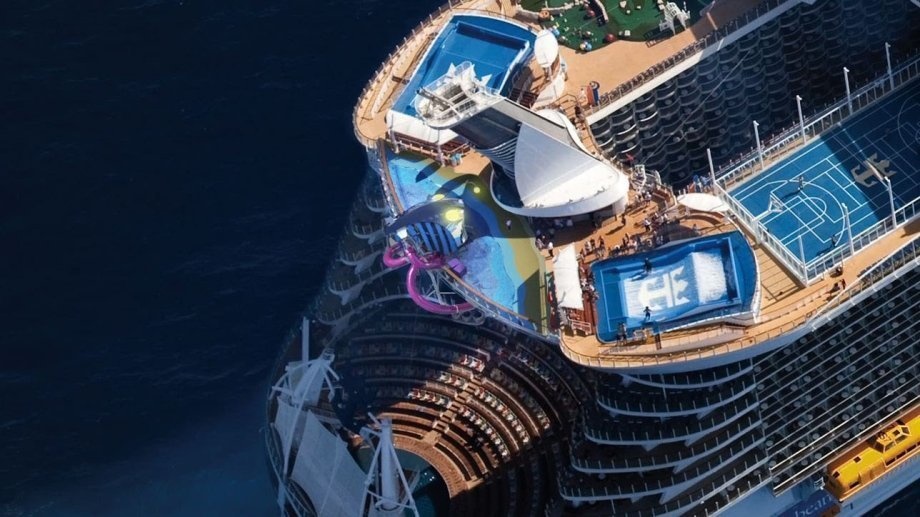
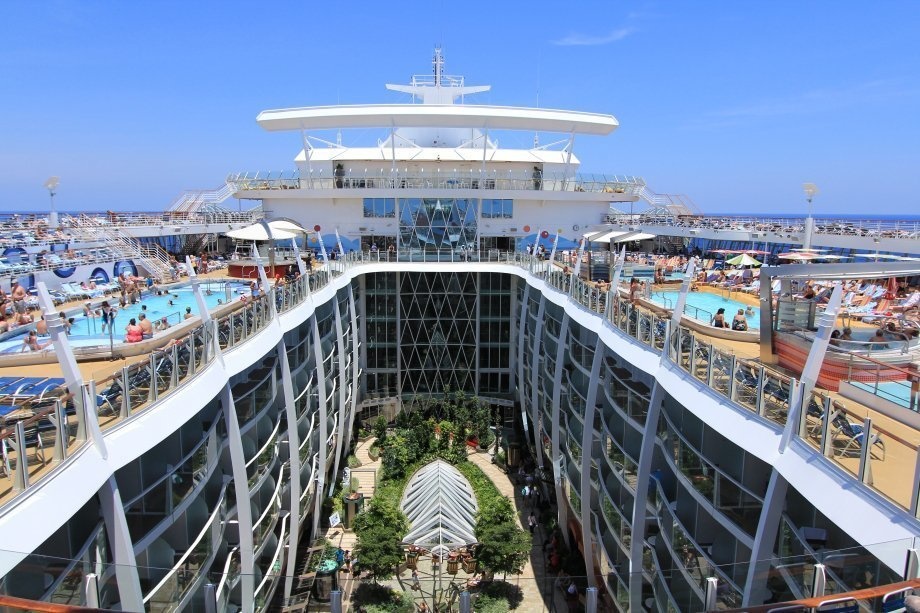
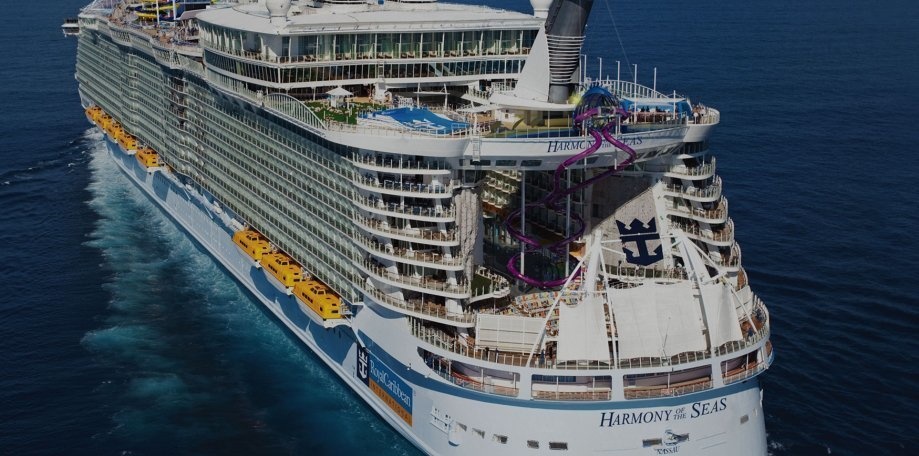
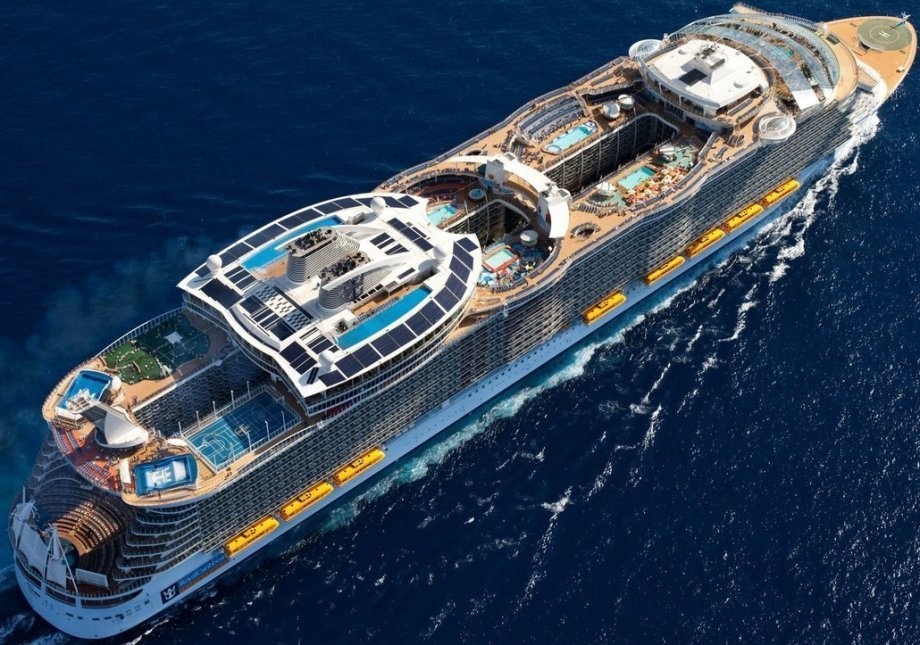
Harmony of the Seas may be the king of the ocean. The biggest ship in the world is the new addition in the Royal Caribbean fleet. Everything about this vessel is done in grand proportions. At 362-meter long, this structure is larger than the Eiffel Tower in France.
It cost a mere $1 billion to build this floating city. It took 32 months to complete the 16 deck ship which boasts the tallest slide at sea, and the deepest pool at sea. Harmony of the Seas set sail this week for the first time from Southampton, England.
Harmony of the Seas can carry up to 7,000 passengers.
Royal Caribbean
23 pools, 20 restaurants, a theatre, casino, hospital, and jail are just some of the amenities found in the ship.
Royal Caribbean
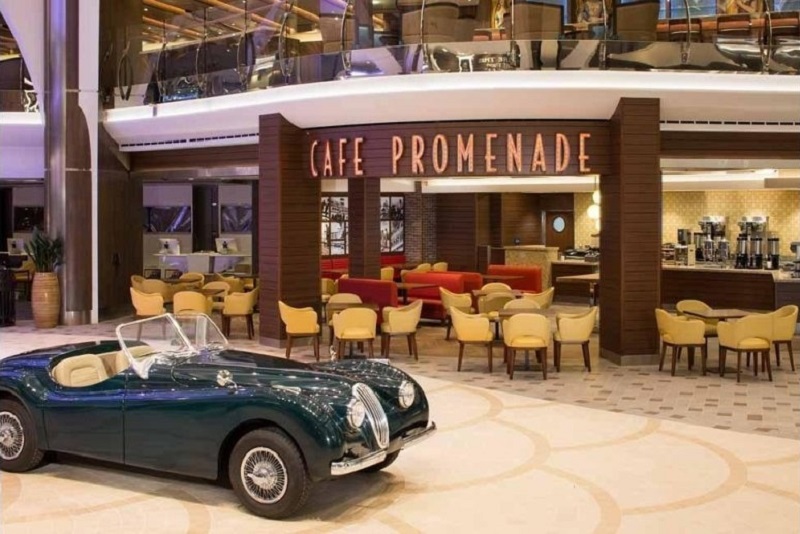
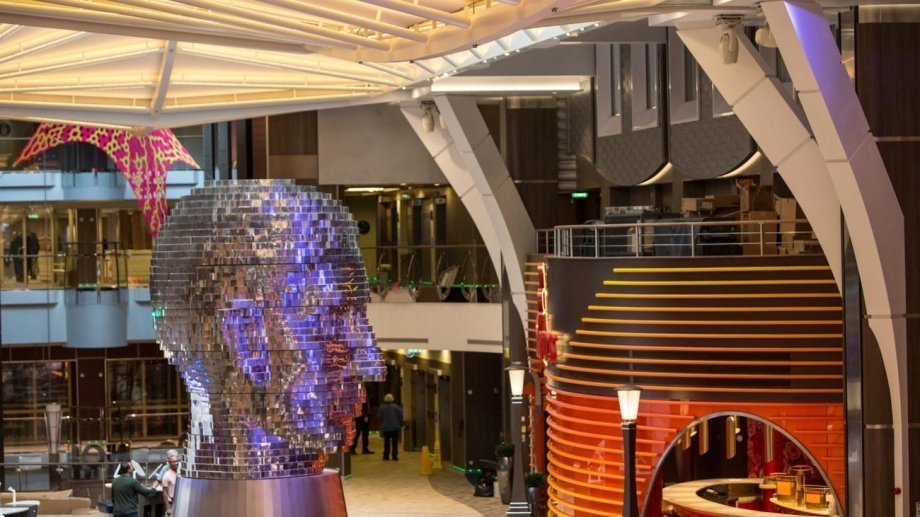
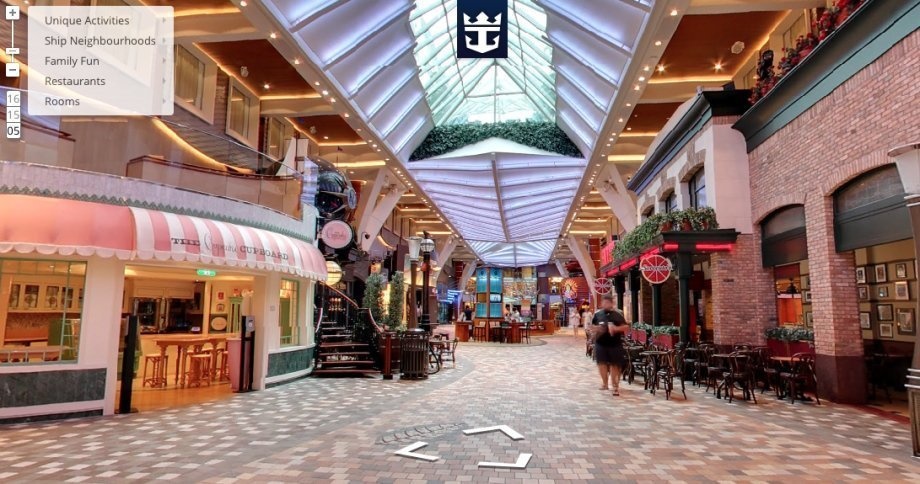
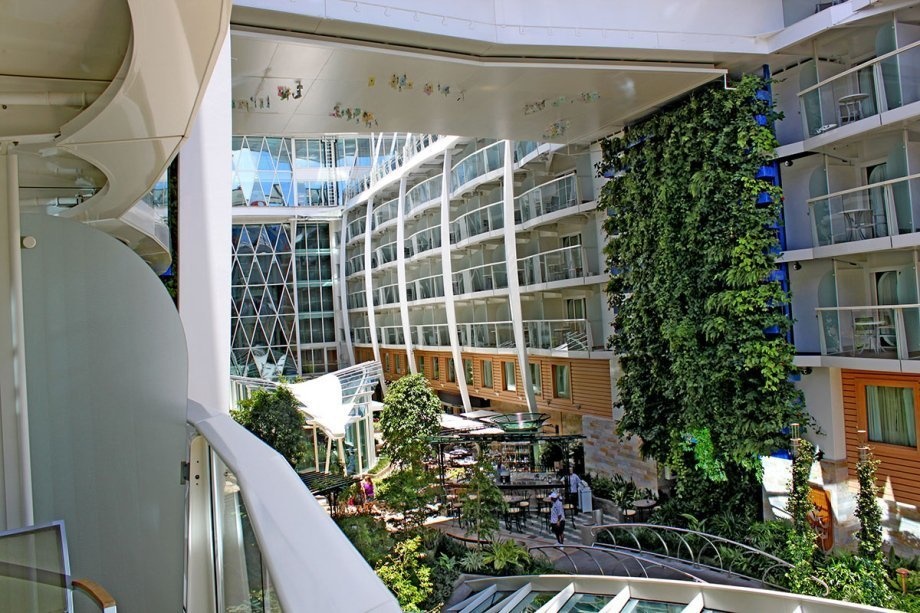
The cruise has seven neighbourhoods like the Royal Promenade, Central Park, and Boardwalk.
Royal Caribbean
Cabins with no windows come with virtual ones from a real time camera from the ship.
Royal Caribbean
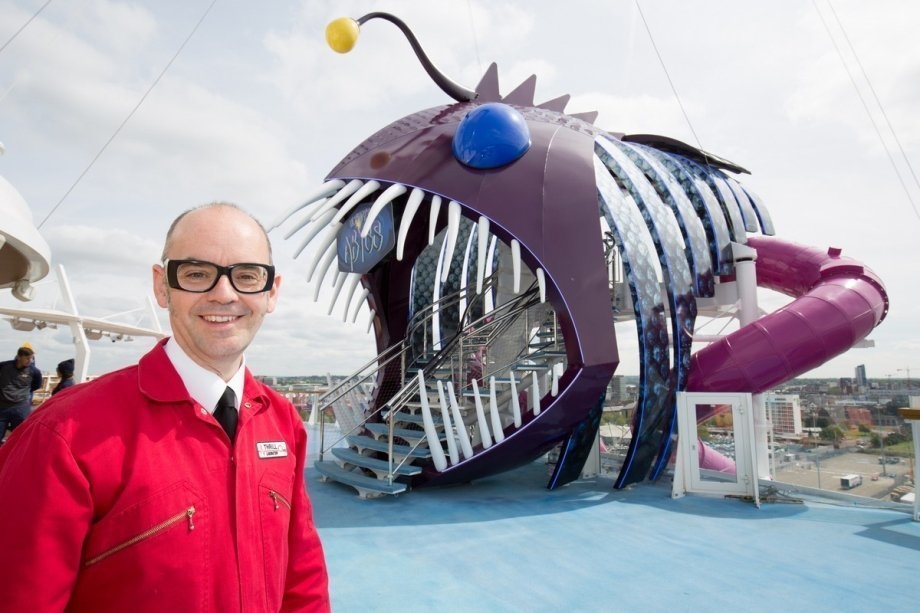
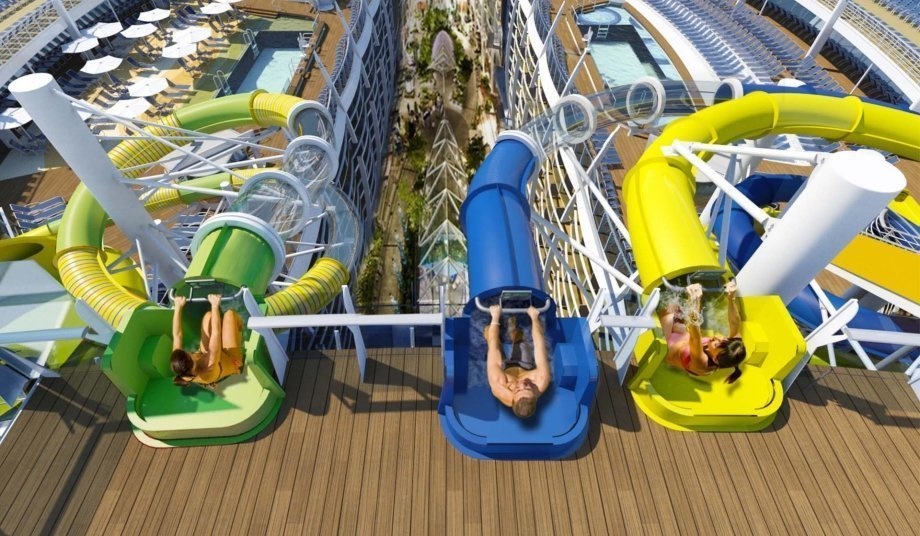
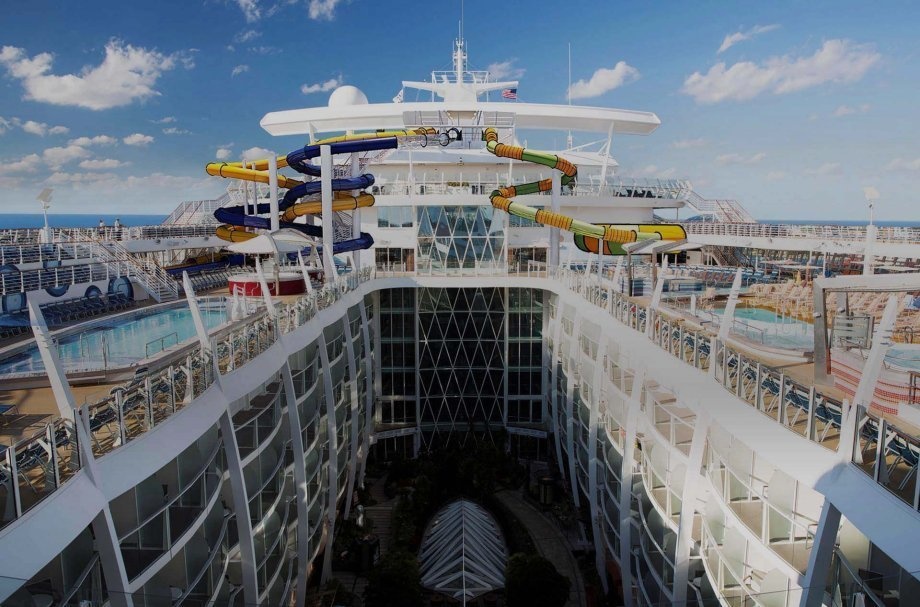
The world’s tallest sea slide, the Ultimate Abyss is 10 stories of adrenalin rush.
Royal Caribbean
Daredevils begin their ride in the Ultimate Abyss by entering through a purple anglerfish.
Royal Caribbean
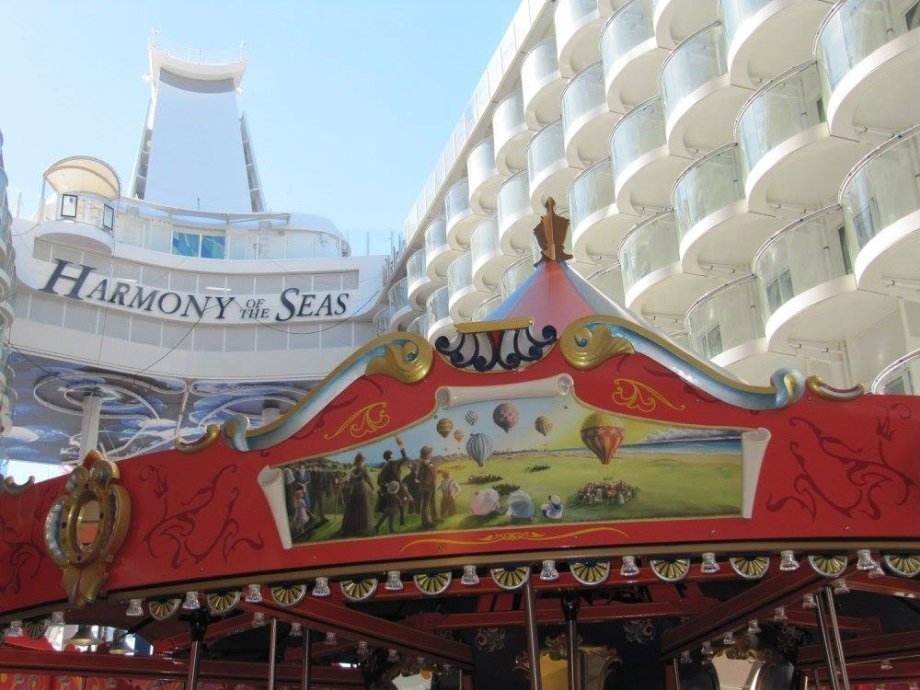
Boardwalk takes you to a retro carousel and arcade area.
Royal Caribbean
The fastest high speed internet is provided on the Harmony of the Seas.
Royal Caribbean
“Harmony of the Seas is the product of our zealous spirit of continuous improvement, where we have combined revolutionary ship design with the technological strides,” says Richard Fain, Chairman and CEO of Royal Caribbean Cruises.
Royal Caribbean
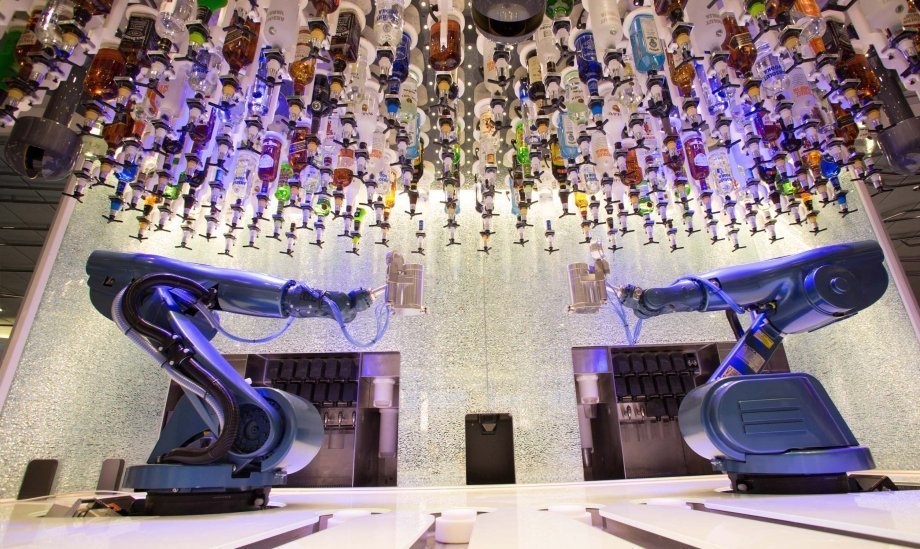
The Bionic Bar employs robot bartenders.
Royal Caribbean
The robotic arms will make your drink exactly how you want it.
Royal Caribbean
The robots can make two drinks per minute and 1,000 drinks a day.
Royal Caribbean
Guests can enjoy the ship’s two FlowRider® surf simulators.
Royal Caribbean
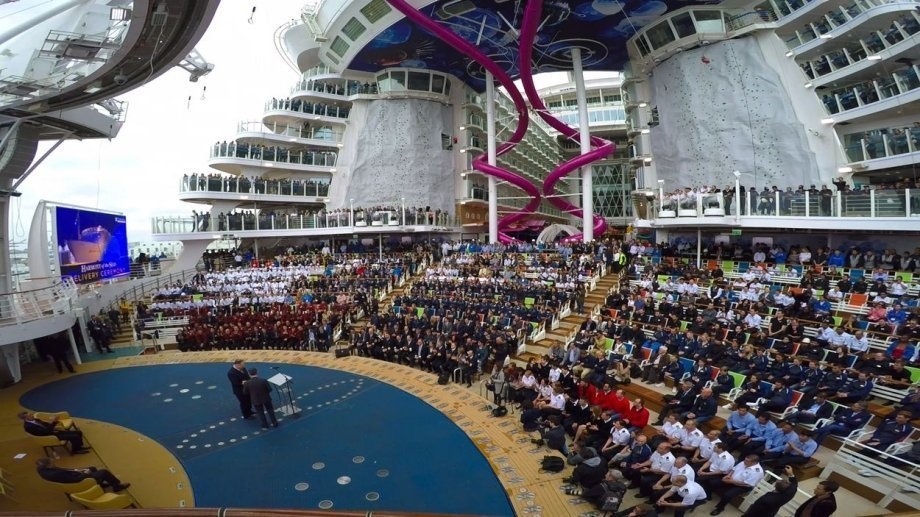
There are two climbing walls, at an impressive 43 feet high each.
Royal Caribbean
The trio water slides Typhoon, Cyclone and Supercell make the Perfect Storm.
Royal Caribbean
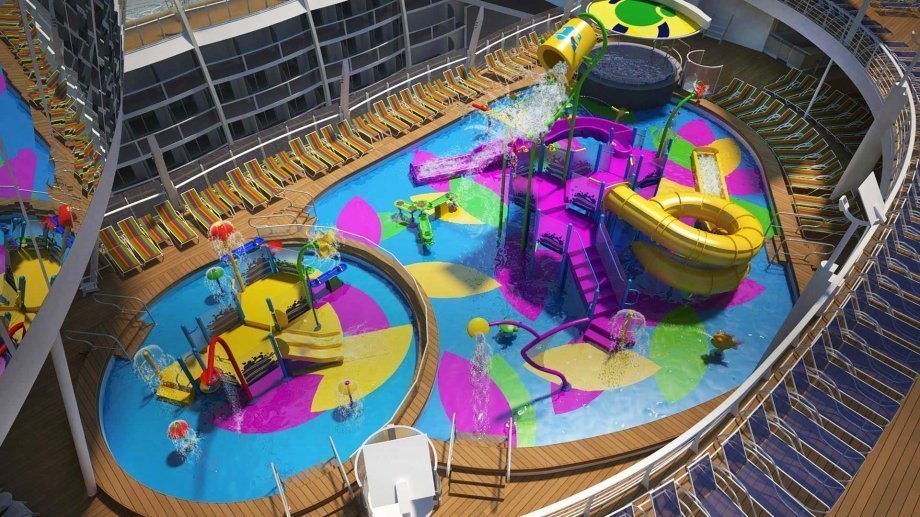
The waterpark features water cannons, slides, and waterfalls.
Royal Caribbean
Central Park has over 12,000 trees and plants.
Royal Caribbean
A zip line that flies up to 120 feet above ground will make you lose your fear of heights.
Royal Caribbean
An ice skating rink and a basketball court are just some of the sport facilities available.
Royal Caribbean
Prices start at $1,125 per person.
Royal Caribbean
Harmony of the Seas will spend the summer travelling around Europe before beginning its voyage to the US in the winter.
Royal Caribbean
Like what you’re reading? Subscribe to our top stories.
We’ll look at a real world example of a computer generated car model integration into live action footage taken from helicopter. This tutorial covers the full pipeline of camera tracking, 3D scene preparation, rendering, and composing everything into a seamless shot. We’ll wrap up with the removal of the film crew and sky replacement techniques.
The 8 most expensive and insanely fast supercars in the world
If there’s one thing we learned from endless episodes of MTV Cribs back in the day, it’s that athletes, rock stars, and A-list celebrities are all bonded by a common interest: A love and passion for fast and expensive cars.
While everyone is likely familiar with expensive cars from the likes Porsche and Rolls Royce, there exists a subset of supercars which are so expensive that they even make a regular Ferrari seem affordable by comparison. At this level, we’re not talking about cars that cost somewhere in the multi-hundred thousand dollar range. Quite the contrary, my friend. No, at this level we’re talking about cars that sell for 7 figures and can easily hit 200 mph on the speedometer.
To get you acquainted with the types of cars the wealthiest in the world keep in their garages, listed below are the 8 most expensive supercars in the world.
DON’T MISS: iOS 9.3: How to fix some of the annoying bugs plaguing your iPhone
Koenigsegg CCXR Trevita – $4.85 million
Nearly $5 million for a car? Not to worry, the Koenigsegg CCXR Trevita is coated with diamonds. No, seriously. The body of the Trevita sports a pretty awesome visual appearance due to a diamond weave white carbon fibre body.
The company boasts: “For the Trevita, Koenigsegg developed something truly special. This is not paint. It’s not a tint. It’s actually white carbon fibre that shines like millions of diamonds when the sun hits the car.”
Under the hood is a 4.8-liter V8 yielding which offers up 1018 horsepower and a top speed of 254 mph. Only two models were ever produced so good luck finding one even if you have that much coin to waste, uh, I mean spend.
The car was highlighted by Jay Leno last year during a pretty fascinating episode ofJay Leno’s Garage, viewable below.
Lamborghini Veneno Roadster – $4.5 million
With only 9 units ever made, calling the Veneno Roaster a limited edition vehicle might even be misleading. The car delivers 750 horsepower and can reach a top speed of 221 mph.
Bugatti Veyron Grand Sport Vitesse – $3.5 million
This car is insanely fast and can handle well at speeds exceeding 180 mph. This Bugatti can floor it at over 250 mph and as we highlighted previously, “the only thing preventing the car from going faster than advertised is that Michelin’s hasn’t yet figured out a way to keep its tires from exploding once they reach a consistent speed of 270 mph.”
Not only is the Bugatti Veyron wildly expensive, it’s also the most expensive car in the world to maintain. That fact, however, didn’t stop Floyd Mayweather from picking one up a few months back.
W Motors Lykan Hypersport – $3.4M
Though W Motors may not be a household name – the company was founded in Lebanon and is now based out of Dubai – its Lykan Hypersport is a supercar that impresses on all fronts. In keeping with the ‘limited edition’ motif we have going here, only 7 models of the car were ever manufactured.
For $3.4 million, you might not be surprised to learn that “each LED headlight is encrusted with 220 diamonds or a combination of any other precious or semi-precious stone chosen by the client.” Some of the other stone options include rubies, yellow diamonds and sapphires. Also not a surprise is that the car had a cameo appearance in the movie Furious 7.
The car has a reported top speed of 248 mph.
Video of the car in action can be seen below.
Pagani Huayra BC – $2.8 million
Only 20 models of the Pagani Huayra BC were ever made. The car can reach a top speed of 238 mph and recently made its debut at the Geneva Motor Show
And check out those doors.
Koenigsegg One:1 – $2.8 million
Forget 0-60, the 2015 Koenigsegg One:1 can go from o to 250 mph in 20 seconds flat. The car has an out of this world top speed of 273 mph, making it the fastest production car in the world. Only 7 vehicles were ever manufactured, with 4 units earmarked for Asia, two for European customers, and just one for the U.S.
Ferrari FXX K – $2.7 million
Okay, so the FXX K isn’t street legal, but it’s still one sleek looking car. Only 32 models of the car were ever manufactured and they were sold rather quickly. Speed wise, the FXX K can top 217 mph, making it the fastest Ferrari ever produced.
Ferrari F60 America – $2.5 million
Designed to commemorate Ferrari’s 60th anniversary, the F60 is an absolute beast of a vehicle. Another limited edition car, only 10 were made available in the United States. The car boasts 730 horsepower and has a top speed of 211 mph.
In the face of global doomsday predictions, sustainability has become one of the most crucial aspects of the 21st century, now playing a huge role in everything from politics to the way you dispose of your trash. Fortunately, most architects understand sustainability implicitly, and have adopted it into their lives and work. Or have they? In this article, originally published on Common Edge as “Why Architects Don’t Get It,” green building expert Lance Hosey highlights the failures of the architecture community in reaching their stated sustainability goals, and argues for a new conception of architecture in which good design and sustainable design are integrated.
A few years ago, the American Institute of Architects, the self-declared “voice of the architecture profession,” announced that “AIA members will no longer need to complete the sustainable design requirement to fulfill their AIA continuing education.” Why? Because “sustainable design practices have become a mainstream design intention.” Hooray! If sustainability is “mainstream” now, and knowledge about it is no longer necessary “to maintain competency” and “to advance and improve the profession”—the purpose of continuing education, according to the AIA—then the profession must have met its environmental goals, and there’s nothing left to improve. Mission accomplished.
A decade ago, the AIA adopted the 2030 Challenge, which seeks carbon neutrality by that year. Since buildings account for nearly half of the energy and three quarters of electricity consumed in the US, this is an essential aim. In Paris last fall, the world’s leaders committed to cutting greenhouse gas emissions dramatically, and they cannot accomplish this without the building industry. In 2009, the AIA launched the 2030 Commitment to give architects a framework for reporting their projects, and it began collecting this information for the year 2010. In the five years for which data is available (2010-2014), the volume of projects reported has multiplied more than 700 times (from 3.4 million square feet to 2.4 billion), providing a progressively clearer snapshot of the profession. To get to a 100% reduction in fossil fuel consumption by 2030, the target for those years was 60%. So how are we doing?
During that time, the average energy reduction in AIA member projects flatlined around 35%. The highest average in one year (2012), was 37%, 22 points below the target. In fact, in the first year after the AIA “sunsetted” sustainable design requirements, energy performance went down three points. Furthermore, the AIA lists over 80,000 members in nearly 18,000 firms, while some 360 firms have signed the 2030 Commitment, and a little over a third of those (140) actually reported energy data for 2014, according to the latest reports. In other words, only 2% of AIA member firms have committed to pursuing carbon neutrality, and less than 1% are actually reporting on their progress. So much for the mainstream.
A 2009 poll revealed that a third of architects are skeptical about climate change, and 13% believe it’s “a myth.” While these numbers generally align with the larger public’s attitudes about global warming, they don’t suggest that architects are leading the conversation. Furthermore, if two thirds of architects believe in climate change, why have only 2% signed the 2030 Commitment? What’s holding us back?
One possibility is a lack of education. Perhaps the most common criticism about green building is that it costs too much. In a 2008 survey of over 700 construction professionals, 80% cited “higher first costs” as the biggest obstacle to green building. Yet, evidence increasingly shows that higher performance need not mean higher costs. The National Renewable Energy Laboratory calculates that adopting current best practices can achieve 50-60% energy reduction—at no additional cost. How are architects supposed to learn how to do this, if the AIA considers sustainable design education unnecessary?
Lack of leadership is endemic in the profession, and many of the most famous architects dismiss sustainability outright. “‘Green’ and sustainability have nothing to do with architecture,” National Design Award winner Peter Eisenman has said, and Pritzker Prize winner Frank Gehry once called green building standards “bogus.” Gehry since has said that “green building is clearly something architects need to be concerned with,” but his work hardly shows it. James Wines, author of Green Architecture, has called Gehry’s work “mind-boggling waste.”
When many of architecture’s leaders fail to take today’s most urgent challenges more seriously, how can we expect the profession’s rank and file to do so?
If some architects don’t believe sustainability is essential, what do they believe? “I deeply consider architecture as an art—the most abstract of all of them,” AIA Gold Medalist Santiago Calatrava told a reporter last year. As I wrote in the Huffington Post in November, the architect-as-artist is one of the most enduring myths of the profession, and it justifies the most damaging and wasteful extravagances. Can we seriously hope that starry-eyed architects will tackle real-world problems when they’re so busy dreaming of “art”?
Metropolis magazine once asked its readers, “When will all design need to incorporate sustainable practices to be considered ‘good design.’” Over 80% said it would happen within 8-9 years, and half those said within 2-3. That was 2002. In 2010, for my then-column in Architect magazine, I surveyed fifty sustainable design experts to identify the “greenest buildings” of the past few decades and compared the results to a Vanity Fair poll on the “greatest buildings” from the same period. Not one building and not one American architect appeared on both lists. Standards of “good design” and “green design” are far from aligned.
From Eisenman to Calatrava, the profession considers the science of building divorced from the “art” of architecture. In Consilience, E.O. Wilson writes that the perceived conflict between art and science inevitably undermines sustainability: “until that fundamental divide is closed…the relation between man and the living world will remain problematic.”
I wrote my book, The Shape of Green: Aesthetics, Ecology, and Design (Island Press, 2012), to address a simple question: Does sustainability change the face of design, or only its content? Conventional wisdom is clear: “Sustainability has, or should have, no relationship to style,” claims Rafael Viñoly. AIA Gold Medalist Cesar Pelli has said that architects value “the looks” of a building, and “sustainability doesn’t necessarily photograph.” But consider this: studies show that up to 90% of the impact of a building or product is determined by the earliest design decisions: location, orientation, massing, form, fenestration, etc.
Furthermore, pursuing sustainability can inspire great innovation. For the KfW Westarkade in Frankfurt, Sauerbruch Hutton shaped the tower like an airfoil, minimizing solar exposure at the southwest and conveying breezes across the surface to aid passive ventilation. The result is one of the most elegantly efficient buildings in Europe, achieving a 70% energy reduction below standards: Form and performance merge.
These concept building designs make use of groundbreaking technology – will we be using them soon?
These futuristic structures could be heading our way
From the Taj Mahal to the Empire State Building, people are prepared to travel all over the world to see the some of the planet’s most famous buildings. But thanks to the astonishing architecture in this infographic, we can see that the landmarks of tomorrow might be made up of experimental designs.
We already use structures to generate green energy as it is, but what if buildings take us closer to a more sustainable life style? Could buildings be used to farm or stimulate the growth of bio-fuel? This infographic from Keys90 certainly thinks so.
The skyline of the future should look pretty cool
It’s not all about energy and conservation though, some of these concept buildings are just plain cool. Who wouldn’t want to see a giant pixelated building that looked like it just fell out of a game of Tetris? Or how about a building that can rotate on voice command alone? It might sound far-fetched, but the technology is already there to make such structures a real possibility.
Discover our winners and be inspired to explore new software, apps and movies.
For the last few months, 3D enthusiasts all over the globe have been nominating and voting in the 3D World CG Awards for what they believe represents the very best products, technologies and CG content of the last year. Now, the voting is over and the results are in. Here we present the winners and runners up in each category.
Redshift was developed from the ground up to be a production-ready renderer. “Redshift was the first commercially-available product to offer out-of-core textures and geometry, and the first to offer both biased and unbiased GPU-accelerated GI algorithms. Key to this was developing a sound technological foundation that allowed us to implement features thoroughly,” says Panos Zompolas, chief technical officer at Redshift.
With ZBrush 4R7 Pixologic introduced innovative tools, like the new dynamic subdivision mode, the bridge to KeyShot and ZModeler. It’s tools like these that have really impressed: “ZModeler has been a game changer for a lot of artists because it enables them to focus on a model’s shape rather than accuracy of its topology,” says Thomas Roussel, marketing director and 3D specialist at Pixologic.
These features impressed judge Ken McCuen, matte painter and concept artist on feature films: “As a traditionally trained artist I have a high respect for developers who make the transition from painting/sculpting in real life to the digital medium easier. I’ve found ZBush to be excellent at providing tools to quickly create maquettes as a basis for my work.”
With Golaem Crowd 4, the team wanted to make it more user-friendly and more open than previous versions. “We implemented tons of helpers, lessened the number of files to manipulate, enhanced all interfaces, and created new ways of accessing Golaem Crowd’s internal data,” says Golaem Crowd product manager, Nicolas Chaverou.
“But as we can’t help playing with technologies, we also integrated Nvidia PhysX for doing physics simulation with crowds. It is a huge step forward in terms of speed and quality, and it also enables new features like servo force (mixing animation and physics simulation together) or direct physical interaction of the crowds with Maya objects.”
Unreal Engine 4 is a complete suite of game development tools, but its success has been in attracting new users to those real-time tools, including filmmakers and animators.
“Epic Games made a big, bold move back in March this year that demonstrates it has its eyes looking five, 10 and 20 years ahead, by making UE4 a free platform for the likes of us [arch-viz artists] to tap into its platform and use it to tell our client’s story in new and captivating ways,” says CG Awards judge Ronen Bekerman.
Wacom has leveraged 30 years of experience in pen-based tablets, patented technologies and unique manufacturing processes to bring a unique solution to us. “The Cintiq Companion is a fantastic tool that allows you to take your studio anywhere,” says Iñaki Gonzalez.
“The power CPU means there are no delays or jags while working and with so much RAM memory you can easily work on large files.”
“Our ambition is to produce innovative and inspirational products that enhance the creative workflow,” says Jeff Mandell, executive vice president branded business, Wacom. “Here we were able to develop a state-of-the-art Cintiq graphic display and integrate it into a stand-alone mobile computing device for on-the-go creativity.”
Big Hero 6 is a story told in the finest traditions of Disney. Its message is reaffirming and heartfelt, and visually, it’s a stunning blend of new technology and well-honed skill.
According to producer Ron Conli, Disney strove to develop a look never seen before in an animated feature film: “We created a new rendering system called Hyperion to produce the incredible world of San Fransokyo. We developed a character-building program called Denizen to populate the streets… Our Effects Department created the ‘microbots’ and the ‘interior of the portal’. Artists and technical teams worked hand in hand to support our story.”
“The story of the making of this visually exciting and emotionally uplifting film is almost as inspiring as the subject! Made by a group of graduates in Montreal and supported by crowdfunding, this story of the heroic attempt of two backpackers to build a bridge spanning an impossibly wide chasm is as compelling as it is impressive. The main characters never speak, but we are irresistibly swept along by their determination.”
Double Negative’s work on Interstellar mixes miniatures, opticals and in-camera projection FX with CG research such as the cutting-edge relativistic renderer developed to reveal the way a black hole warps the fabric of space time.
“On one hand we wanted to be absolutely faithful to the reality of space exploration, staying as true as possible to the incredible material captured by space explorers over the last six decades,” says VFX supervisor Paul Franklin. “On the other we were passionate about revealing some of the universe’s most astonishing phenomena; the reality of the cosmos is so much stranger than fiction.”
Ingenuity Studios worked with director Joseph Kahn to create this ‘bootleg’ short film. The sheer number of shots combined with the complexity of the VFX work is extraordinary. The team spent many late nights and weekends over the course of six months to create this film, and are pleased their efforts haven’t gone unnoticed: “We were quite busy with other projects during post-production on Power/Rangers which meant splitting time and a lot of late nights,” says VFX supervisor Grant Miller.
The Mill took seven months to create a ground-breaking piece of work to showcase the actions of leading renewable energy company SSE. The team collaborated with adam&eveDDB and academy director Frederic Planchon to create the 90-second spot that depicts an entirely CG orangutan climbing up buildings and experiencing all that a big city has to offer, before going back to the forest to nurture its baby.
The dedication of the VFX team’s work shines through. The Mill’s Dan Moore said: “We looked through hours and hours of footage of orangutan to try and work out how they move, how they gesticulate and how they emote.”
3D print innovation
Winner: Clip technology
Carbon3D made its debut at TED 2015 and took the 3D printing industry by storm, demonstrating speeds 25 to a hundred times faster than traditional 3D printing. In his TED talk Joseph DeSimone CEO and co-founder said, “We were inspired by the Terminator 2 scene with the T-1000, and we thought, ‘Why couldn’t the 3D printer operate in this fashion, where you have an object arise out of a puddle, in essentially real time, with essentially no waste, to make a great object?” The Carbon3D team met the challenge, and Continuous Liquid Interface Production, or rather, CLIP technology was born.
This image has a beautiful visual narrative that really pushes the boundaries of architectural visualisation. Past, present and future are merged in a frame within a frame. The Canadian studio has been pushing the boundaries of architectural visualisation since 2000. In every single project there is a constant and honest concern about telling the right story, using the appropriate visual narrative.
“With today’s technology, it is easier to achieve a hyper realistic look in arch-viz. This doesn’t mean that the technique is not important any more, nor that the industry is reaching its end. Just like photography has not ended as a profession with the rise of point shoot cameras with great resolution,” explains Zerofractal’s Jose Uribe, adding, “It just means that people and professionals are starting to value more what is really important: the message and the story behind each visual.”
Ryan Groves created this three-minute animation to test his skills as a 3D artist – in fact, it’s his first attempt at animation. 3ds Max and V-Ray were the core tools used, along with Nuke Studio (non-commercial) for post-production.
He employed a variety of modelling and texturing techniques, from poly modelling and splines to V-Ray blends, mix maps and composites. The result is a beautifully crafted animation that takes you on a journey through the elegant architecture of the Louvre, showcasing several lighting scenarios.
This award goes to the title that delivers the very best in terms of art and production design, and Ubisoft continues to up the ante with this latest offering to the Creed series. The art direction is absolutely awe-inspiring. Set in the fictional world of revolutionary France circa 1700s, the game boasts some of the best-looking and most-atmospheric cityscapes we’ve ever seen.
The Division’s story is a grand and sweeping one: a whole city dealing with tragedy, but in order to connect with people on an intimate level Blur wanted a microcosm of the larger event, and centres the action on one family dealing with the outbreak to great emotional effect.
Darren Butler, CG supervisor explains: “Initially reading the script, I got a bit of a lump in my throat thinking to myself how were we supposed to pull off 14 days of time-lapse in one single shot… but with the help of the whole team and a few new tools, we managed to pull off something that we are all extremely proud of.”
Paul Debevec is regarded as one of the most influential visionaries and researchers in the CG scene, and it’s easy to see why. Paul is associate director in graphics research and research associate professor at the USC ICT Graphics Lab, and he and his team have a long history of innovation.
His research and algorithms have had a huge impact on computer graphics. In particular, his work on image-based lighting and HDR techniques have resonated around the CG and VFX world, and the ‘Light Stages’ he created are still widely used today.
Moving the venue to Vancouver proved a talking point; smaller but beautiful, the Vancouver Convention Centre was a perfect venue.
Dave Shreiner, chair of Siggraph 2014, said Vancouver was, “the perfect city for a conference aimed at creating new experiences that impact on the senses. Technology, the way humans and computers interact, is rapidly growing and Siggraph is at the heart of that evolution.”
Russia and Canada have three dams each of the world’s 10 biggest dams, while Africa hosts two, and Egypt and Venezuela have one each. Water-technology.com profiles the 10 biggest dams in the world by reservoir storage capacity.
Kariba Dam, Zimbabwe
Kariba Dam is the world’s biggest dam based on water storage capacity. Located at the former Kariwa (Kariba) Gorge, the dam creates Lake Kariba, which has a storage capacity of 185 billion cubic metres of water and a surface area of 5,580km2. The Lake Kariba covers a length of 280km and is 32km wide at its widest section.
The double curvature concrete arch dam is owned by Zambezi River Authority and was constructed between 1955 and 1959 by Impresit of Italy. The dam is designed to avert a one in 10,000-year flood event.
The dam is 128m high, 617m in length, and was constructed using 1.036 million cubic metres of concrete. It comprises of two power stations generating a combined 1,470MW of energy, which constitutes approximately 60% of the hydropower outputs for Zambia and Zimbabwe.
Bratsk Dam, Russia
Bratsk Dam in Siberia, Russia, ranks as the second biggest dam in the world thanks to its 169.27 billion cubic metres reservoir. The dam impounds the Angara River and the reservoir created by it covers a surface area of 5,540km2.
The concrete gravity dam is owned by Irkutskenergo and was constructed from 1954 to 1964 by Bratskgesstroy (formerly Nizhneangargesstroy management).
The dam is 125m high and 1,452m in length, and has a rail line and a highway on its top. The power plant at the dam has an installed capacity of 4,500MW comprising of 18 Francis turbines.
Akosombo Dam, Ghana
Akosombo dam, located in Ghana, is the third biggest dam based on water storage capacity. Constructed on the Volta River, the dam creates the 8,500km2 Lake Volta, which is the world’s biggest reservoir by surface area. The lake impounds a mammoth 144 billion cubic metres of water.
The rock-fill embankment dam has a crest length of about 700m and a height of 134m, and involved 12 million cubic metres of surface excavation. It was constructed from 1961 to 1966 primarily for the purpose of electricity generation, but also provides a livelihood for about 300,000 people through fisheries in the lake.
Volta River Authority owns the dam and IMPREGILO-Italy was the main construction contractor. The power plant at the dam consists of six turbo generator units rated at 128,000kW each.
Daniel Johnson Dam, Canada
The Daniel Johnson Dam, also known as Manic 5 Dam, impounds the Manicouagan River that creates the Manicouagan Reservoir with a storage capacity of 139.8 billion cubic metres. The reservoir, having a surface area of 1,973km2, is the fourth biggest in the world.
The dam is also touted as the world’s biggest hollowbody multiple-arch-and-buttress dam. It is 1,310.6m long and 213.97m high, and features 14 buttresses and 13 arches. It was constructed using 2.2 million cubic metres of concrete.
The dam is owned by Hydro-Québec and was constructed from 1959 to 1968. The dam’s two power stations feature 12 units with a combined installed capacity of 2,660MW.
Guri Dam, Venezuela
Guri, the world’s fifth biggest dam, has a storage capacity of 135 billion cubic metres and creates the Guri Lake covering 4,000km2. The concrete gravity and embankment dam measures 1,300m in length and 16m in height, and provides for 70% of the country’s electricity needs. It is operated by CVG Electrification del Caroni CA (Edelca).
The dam’s construction was carried out in two stages, which commenced in 1963 and completed in 1986. The Guri hydropower facility has an installed capacity of more than 10,000MW. A modernisation project for the dam is also currently underway involving ABB as the main contractor.
Aswan High Dam, Egypt
The Aswan High Dam, which impounds the River Nile and creates Lake Nasser, is the sixth biggest dam based on water storage capacity. The dam’s reservoir, Lake Nasser, has a water storage capacity of 132 billion cubic metres.
The rock-fill dam was designed by Institute Hydroproject of Russia in collaboration with various engineers from Egypt. It was constructed from 1960 to 1968 with an investment of approximately $1bn. The dam’s power plant is equipped with 12 Francis turbines with a combined installed capacity of 2,100MW.
The multipurpose dam serves the irrigation needs of both Egypt and Sudan, controls flooding, generates power, and helps in improving navigation across the Nile. It is 111m in height, 3,830m in length, and has a base width of 980m. Its single spillway has a water discharge capacity of 11,000 cubic metres a second.
W.A.C Bennett Dam, Canada
W.A.C Bennett Dam, constructed on the Peace River in British Columbia, Canada, creates the Williston lake. The dam ranks as the seventh largest with a storage capacity of approximately 74 billion cubic metres and covers a surface area of 1,773km2.
The earth fill embankment dam is operated by B.C Hydro, and has a height of 183m andcrest length of 2,068m. The construction of the dam was commenced in 1961 and completed in 1967.
The power generating station at the dam, known as the G.M. Shrum Generating Station, has an installed capacity of 2,790MW and started generating electricity in 1968.
Krasnoyarsk Dam, Russia
The world’s eighth biggest dam is the Krasnoyarsk Dam, which impounds the Yenisey River and creates the Krasnoyarskoye reservoir with a storage capacity of 73.3 billion cubic metres. The reservoir covers a surface area of 2,000km2 and has a shoreline of approximately 1,560km.
The concrete gravity dam is 124m high, 1,065m in length, and was constructed from1956 to 1972. It is designed with a flood discharge capacity of 20,400m3 per second.
The power station of the dam features 12 units with a combined installed capacity of 6,000MW, used primarily to power aluminium plants owned by RUSAL Company. The water from the reservoir also serves the purpose of irrigation.
Zeya Dam, Russia
The Zeya Dam, built on the Zeya River in the Amur Oblast of Russia, north of the Chinese border, creates the Zeya reservoir with a storage capacity of 68.42 billion cubic metres, which is the ninth biggest dam based on reservoir capacity. The reservoir covers a surface area of 2,419km2.
The concrete gravity dam has an overall height of 112m, a crest length of 714.2m, and was constructed utilising 2.067 million cubic metres of concrete.
The Zeya Dam is owned by RusHydro and was constructed by Zeyagesstroy and Bureyagesstroy from 1964 to 1975. The dam’s power plant comprises of six generating units with a combined installed capacity of 1,290MW. The power plant features the world’s first adjustable-blade diagonal-flow turbines.
Robert-Bourassa Dam, Canada
The Robert Bourassa Dam impounding the La Grande River in northern Quebec, Canada, creates the Robert-Bourassa Reservoir. It is the world’s tenth biggest dam and has a reservoir capacity of 61.7 billion cubic metres covering a surface area of 2,815km2.
The embankment dam is 162m high and 2,835m in length, and features a spillway which has a capacity to release17,600m3 of water per second.
The dam is owned by Hydro-Québec and was constructed from 1974 to 1981. The dam’s two power plants are fitted with 16 Francis turbines having a combined installed capacity of 5,616MW. Alstom is carrying out a major refurbishment and upgrade of the dam’s power stations.
Top 26 World’s Most Expensive Houses And Their Owners
Have you ever wondered what the finest and most expensive houses could look like? Then here, with combined information from Forbes, we bring you images of the world’s most expensive homes, designed by professional and talented architects and groomed with the finest luxury you can ever imagine. And NO! they don’t belong to your favorite movie stars and musicians. Apparently there are people who make more money, we talking top business magnates, and mega investors, you know, the COO’s and the CEO’s. Though some of these mansions have been in existence for years, continuous revolutionizing by the billionaire owners transform them to what you would call the modern day castle.
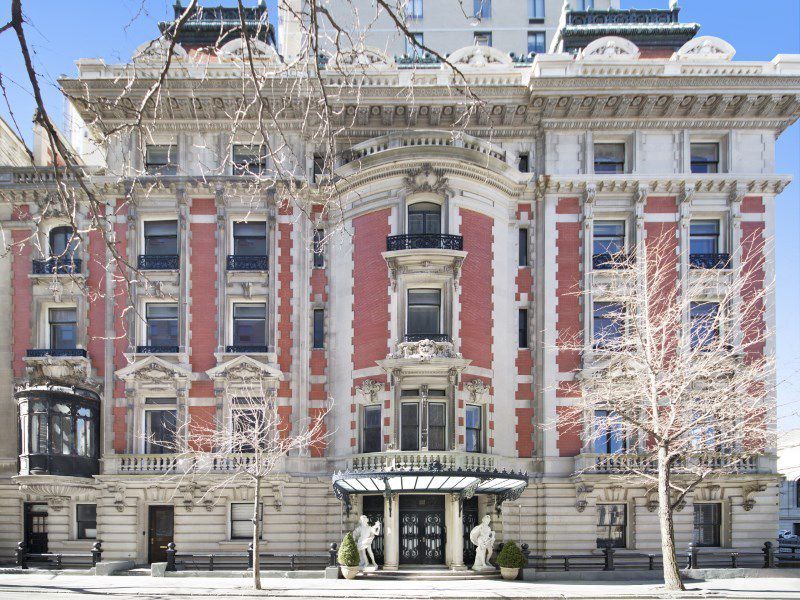
26. Duke Semans Mansion – Fifth Avenue, Manhattan, New York
Value: $44 million
Owner: Carlos Helu Slim
Net worth: $73 billion
The Mexican business magnate purchased the mansion for $44 million in 2010 but the rather frugal business magnate prefers to live in his modest house in Mexico. He recently put the house up for sale with a $88 million price tag on it, if that goes through, it will make it the most expensive townhouse ever sold in NYC. According to the listing, the house is a 8-story building with French Renaissance interior. It features high ceilings, gold-leaf trimmed fixtures, and a sweeping staircase.
25. Kesington Palace Gardens – London, UK
Value: $72 million
Owner: Tamara Ecclestone (eldest daughter of Formula One Magnate Bernie Ecclestone)
Net Worth: $500 million
When your dad is a billionaire and you are the heiress to his fortune, you can pretty much afford anything, including a home on the exclusive billionaire row street, where Dukes, Duchess and ambassadors are your neighbors. Tamara’s 57-room house contains, a beauty saloon, bowling alley, pool, car lift, dog spa, and a basement cinema.
24. The Manor – Holmby Hill, LA California
Value: $85 million
Owner: Petra Stunt (Daughter of Formula One racing magnate Bernie Ecclestone, worth $3.8 billion)
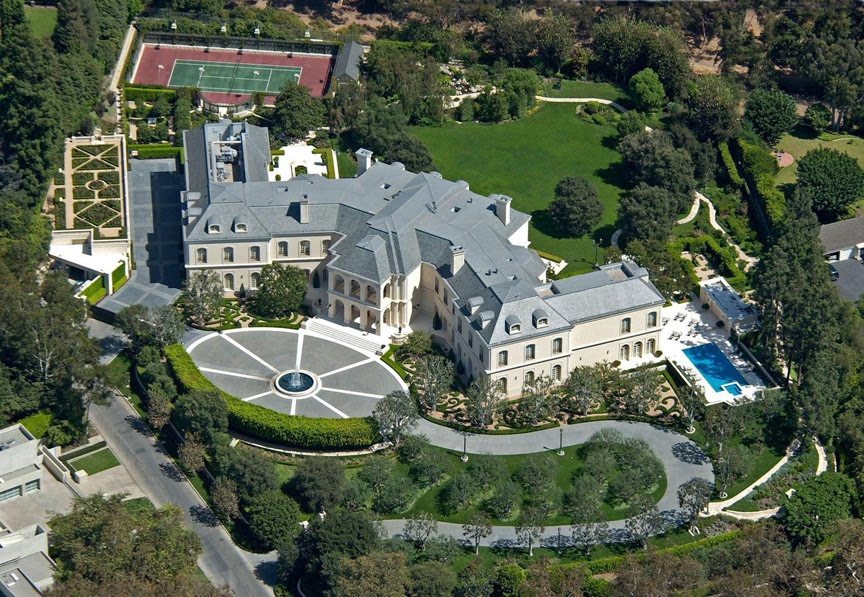
Alias the Spelling manor, it was originally listed in the market for $150,000 but Petra bought it for $85 million after it failed to find a buyer for two years. The 56,000 sq ft mansion has 123 rooms making it one of the largest homes in LA county. Its features includes a bowling alley, gym, tennis court, gift-wrapping room, screening room, pool, and a car garage that can take 100 vehicles.
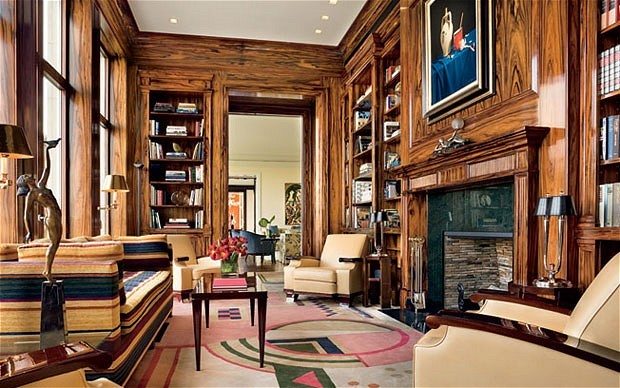
23. 15 Central Park West Penthouse – New York
Value: $88 million
Owner: Ekaterina Rybolovleva
telegraph.co.uk
Ekaterina Rybolovleva (22) is a rich kid, daughter to the Russian fertilizer tycoon Dmitriy Rybolovleva. She is currently a student at a university in New York and attends school from the million dollar apartment she bought with her fathers money. The house consists 10 rooms, a wrap around terrace, 7 walk-in closets and a library. Education couldn’t be more comfortable.
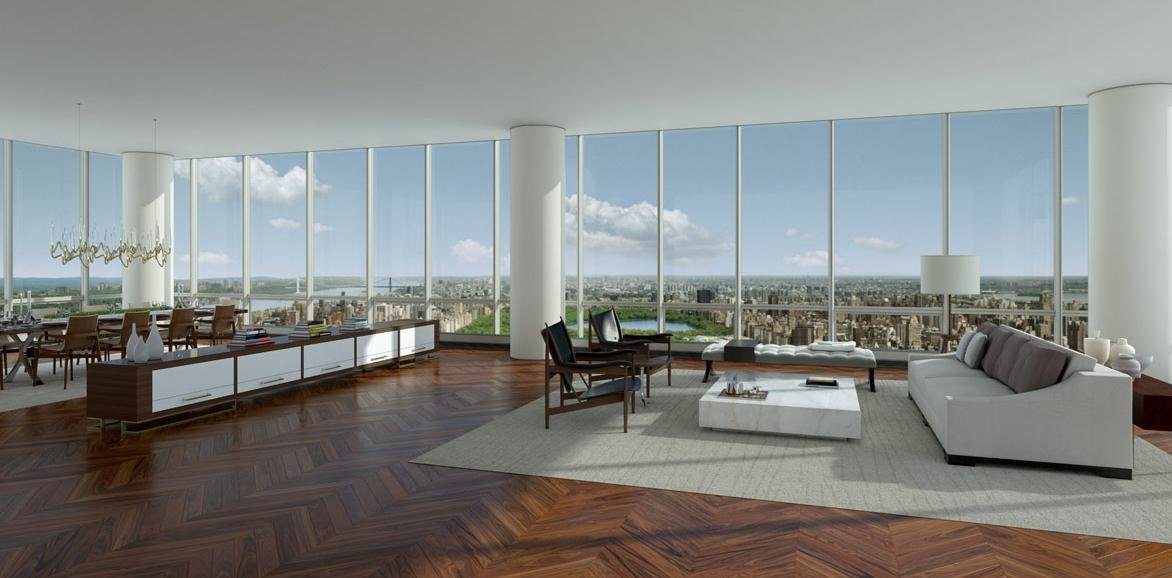
22. One57 – Manhattan, New York
Value: $90 million (estimated)
Owner: Bill Ackman
Net worth: $2.6 billion
manhattanscout.com
The hedge fund firm billionaire, CEO of Pershing Square Capital Management purchased a duplex penthouse in the One57 sky scraper for over $90 million. The apartment which spans across the 75th and 76th floors of the 90-story building boasts 6 bedrooms, 6 bathrooms, a winter garden enclosed in a 51-foot wide glass. The billionaire however, doesn’t reside in the condo, according to therealdeal.com, the billionaire said he purchased the condo for ‘fun’. The oligarch must have made the purchase as a strategy for business investment.
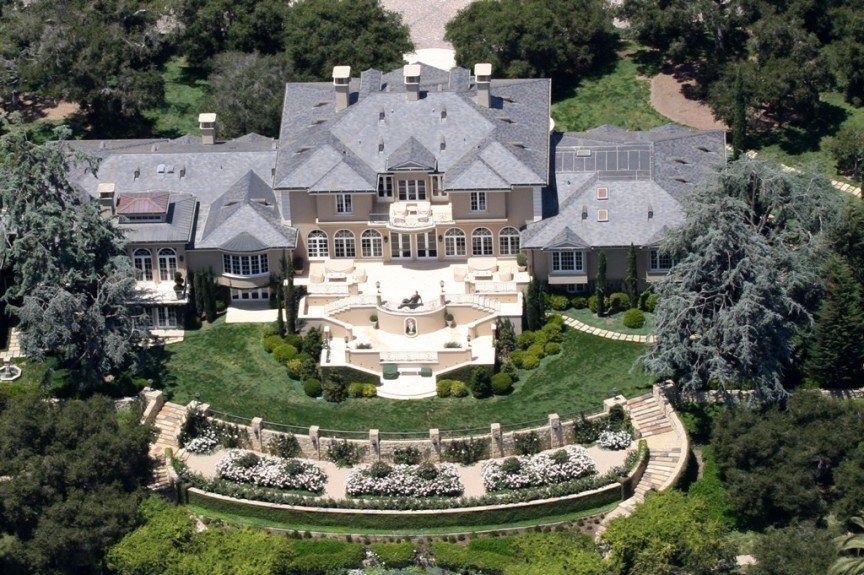
21. Promised Land – Montecito, California.
Value: $90 million
Owner: Oprah Winfrey
Net worth: $3 billion
The CEO of the Oprah Winfrey Network aka the Queen of Media, has houses scattered all around America – Hawaii, Chicago, Colorado, New Jersey…but the 23,000-square-foot Georgian-style estate seems to be the most outstanding. The building which sits on a 40-acre land space encompasses 6 bedrooms, 14 bathrooms, 10 fireplaces, over 600 rose bushes, tennis court, tea house, theatre, artificial pond and everything else befitting for a mansion.
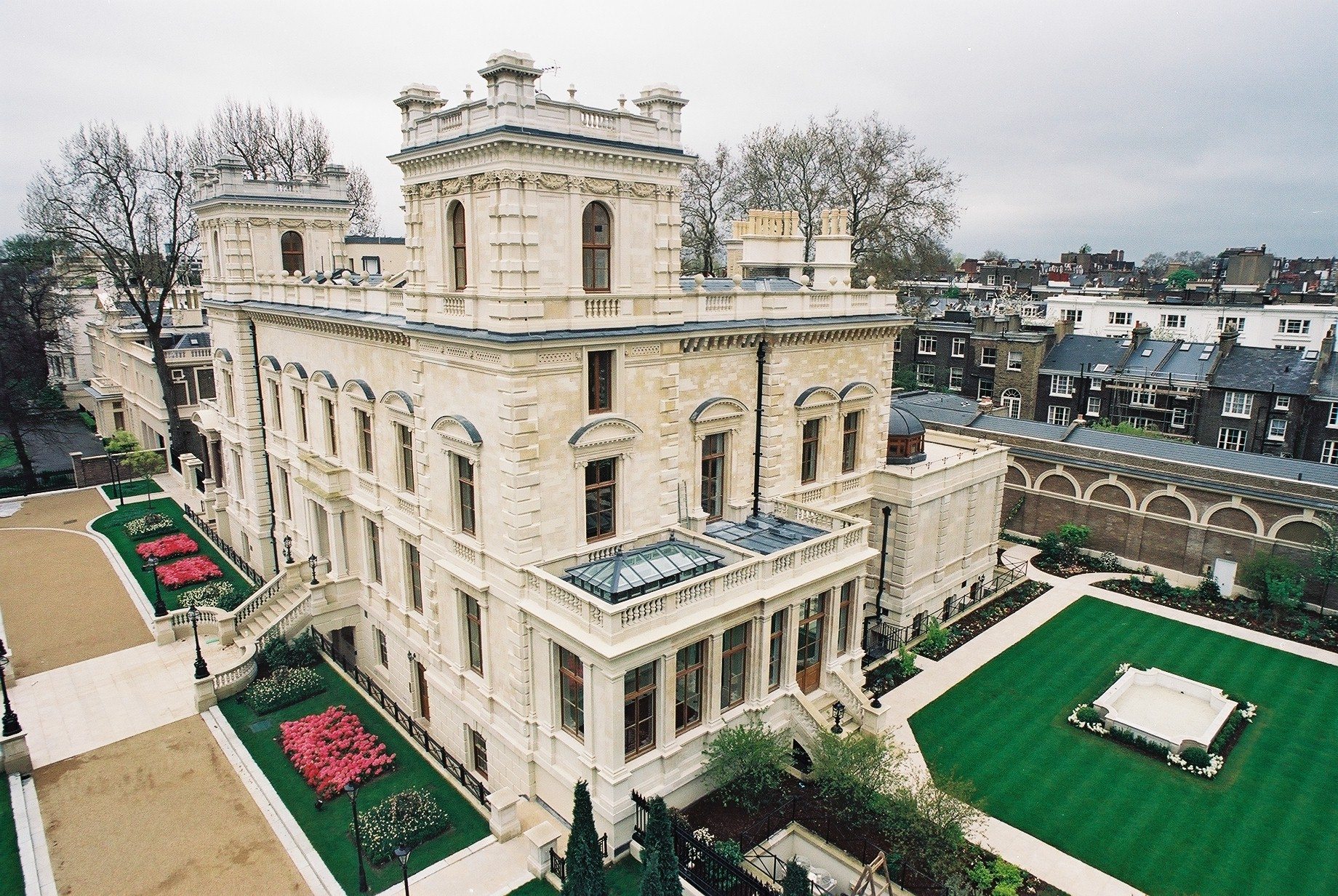
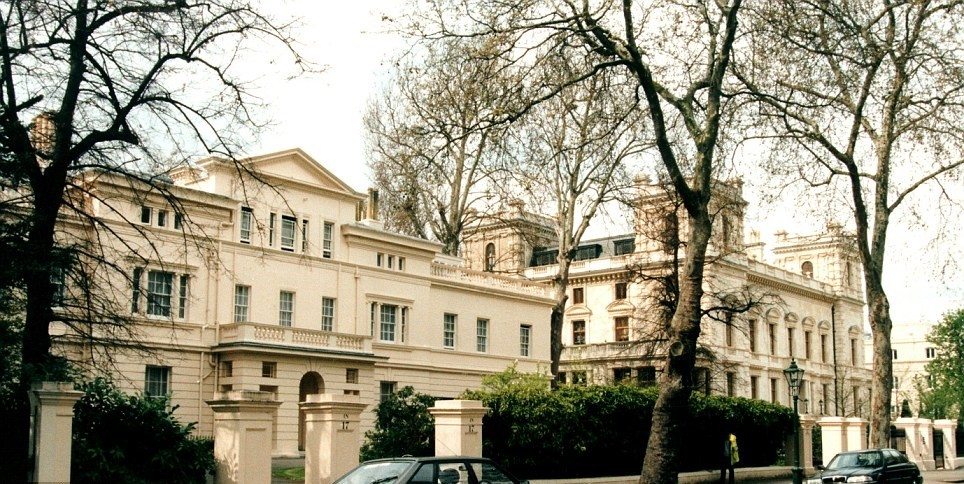
20. Kesington Palace Gardens – London, UK
Value: $90 million
Owner: Lakshi Mittal
Net worth: $12.3 billion
Billionaires row street, home to top business tycoons is absolutely a befitting abode for the steel mogul. He purchased the 55,000 sq ft mansion from Bernie Ecclestone. The home boasts 12 bedrooms, indoor pool, Turkish bath, ballroom and more. After the billionaire spent millions revamping his new house, he dubbed it “Taj Mittal”.
19. Broken O Ranch – Augusta, Montana.
Value: $90-$135 million (estimated)
Owner: Stanley Kroenke
Net worth: $6.3 billion
pintrest.com
The Broken O ranch serves an all-round agricultural purpose.The 124,000 acre ranch inhabits a 10-square foot main house, indoor pool, horse stables, 3,500 cows, 800 heifers, 175 range bulls. The ranch has 13,000 of its acre well irrigated and produces tons of alfalfa hay, 700,000 bushels of small-grain crops per year. Stanley Kroenke, who is an ardent real estate collector is apparently also a lover of agriculture, having three other ranches to his name.
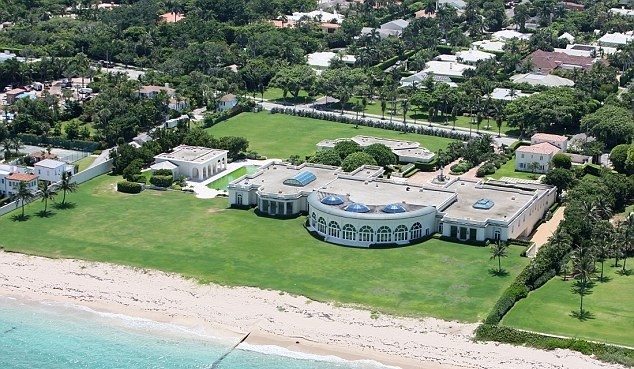
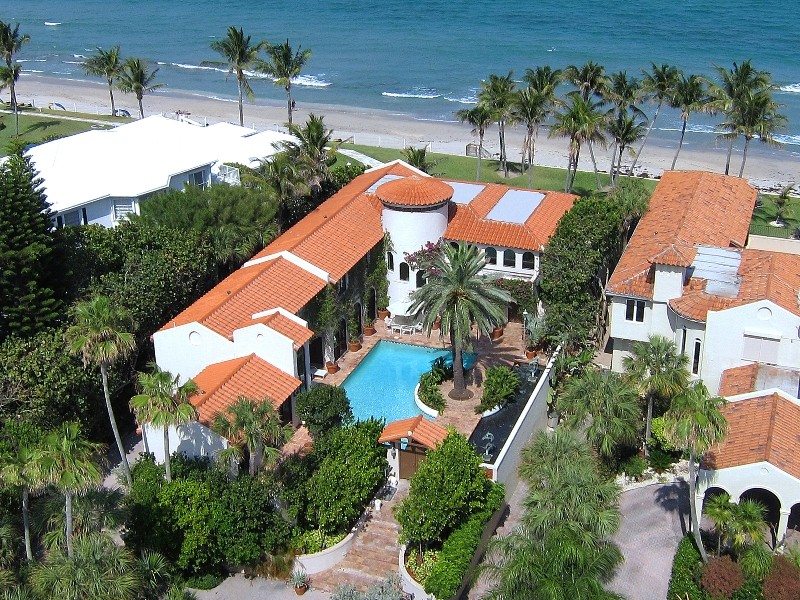
18. Maison de L’Amitie – Palm Beach, Florida
Value: $95 million
Owner: Dmitry Rybolovlev
Net worth: $8.5 billion
The Russian Billionaire in 2008 purchased the beach house from American property mogul, Donald Trump for $95 million. The extensive mansion includes 18 bedrooms, gold and diamond accessories, 475-foot-long beach, and a parking space capacity of 50-cars. According to Gossip extra, in 2013, the Russian mogul planned to demolish the building because of mold problems.
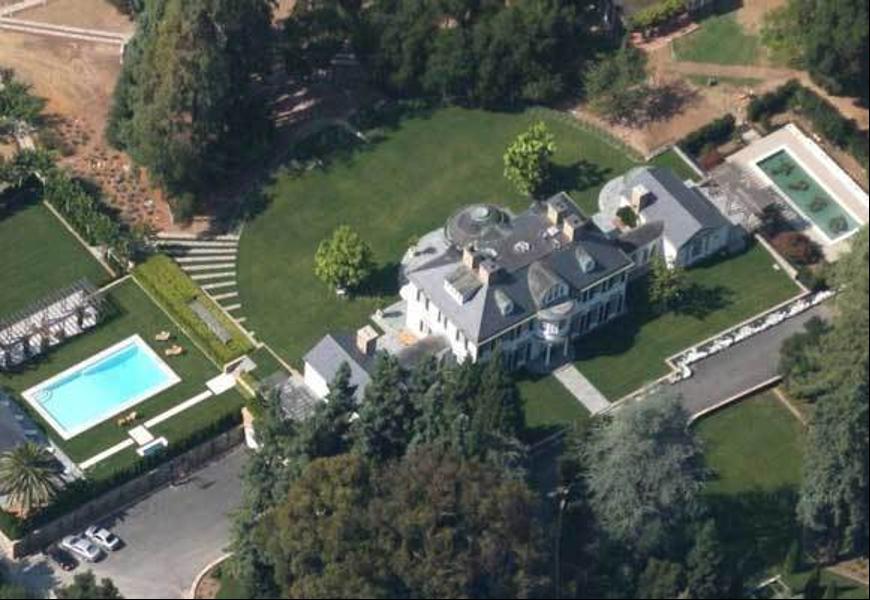
17. Silicon Valley Mansion – Los Altos Hills, California
Value: $100 million
Owner: Yuri Milner
Net worth: $3.1 billion
Russian billionaire and Facebook shareholder,Yuri Milner owns the French chateau-style mansion. The extensive mansion has 14 bathrooms, two dining rooms, game room, an outdoor and indoor pool, a ballroom, theatre, and 25,000 square-foot free space. More pictures.
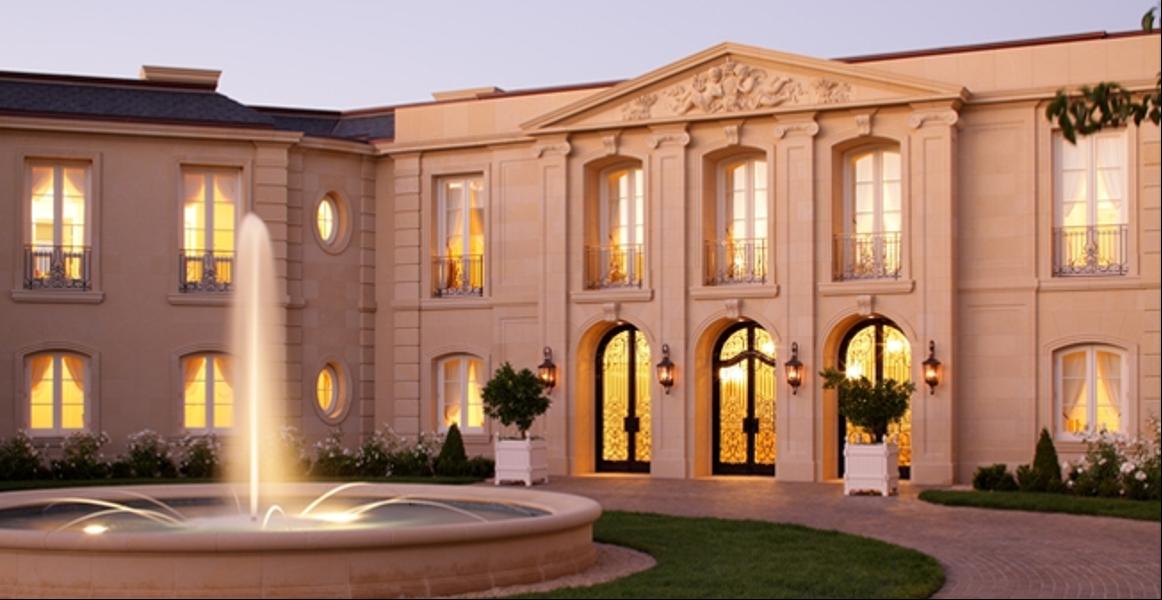
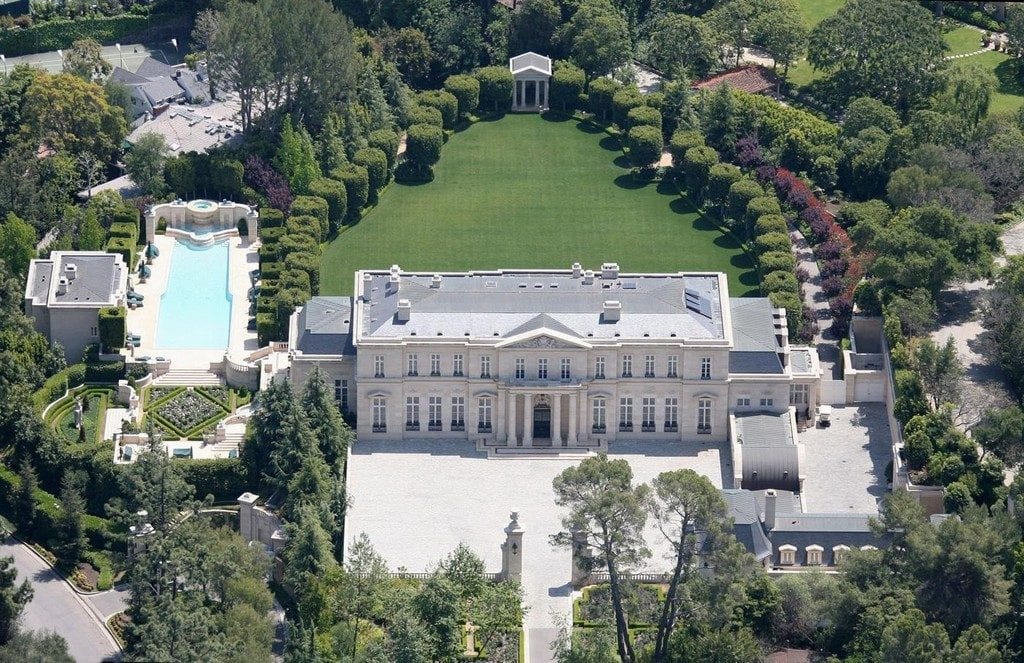
16. Fleur de Lys Mansion – Holmby Hills, California
Value: $102 million
Owner: Unknown
The Fleur de Lys estate, was constructed from the architectural design of Richard Robertson to original owners David and Suzanne Saperstine between 1996 and 2000. After the couple separated and wife gained ownership of the mansion, it was sold in a concealed deal to anonymous French billionaire at a whooping amount of $102 million. That sale made history as it became the only property to ever been sold at that price in LA. The private abode consists of 15 bathrooms, 12 bedrooms, 2 kitchens, a massive movie theater, a ball room, a tennis court, a gym, a pool, and a nine vehicle garage. The property sits on a 4.6 acre plot.
15. Further Lane de Menil – East Hampton, New York
Value: $103 million
Owner: Ron Baron
Net worth: $2 billion
forbes.com
The Hampton’s beach side landed property was acquired by mega investor at $103 million in 2007. The billionaire plans to raise his mansion on the 50-acre space.
14. Mountain Home Road – Woodside, California
Value: $117.5 million
Owner: Masayoshi Son
Net worth: $14 billion
forbes.com
The Japanese Softbank billionaire’s 900,000 square-foot manor is simply a masterpiece. The building features with a pool with a 1170 square-foot portico, a tennis court, an isolated library, a separate leisure building, and well-groomed ceremonial gardens.
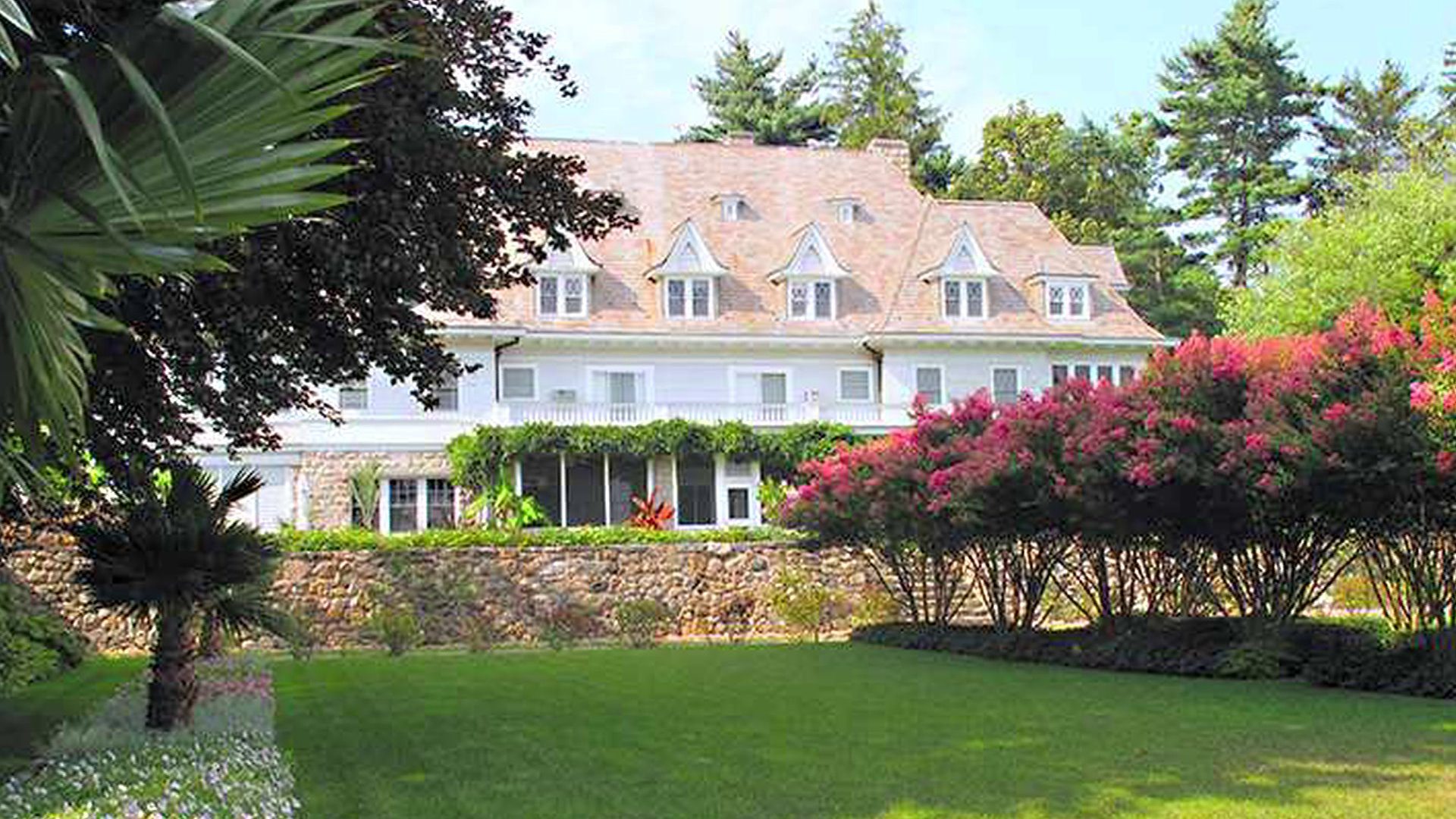
13. Copper Beech Farm – Greenwich, Connecticut
Value: $120 million
Owner: Unknown
Previously the property of timber magnate, John Rudey, the waterfront mansion which has been in existence since the 1890’s was sold in April, 2014 at $120 million to an anonymous buyer. The 13,517 square foot mansion with two islands consists 12 bedrooms, 8 bathrooms, grass tennis court, 75-foot pool, and a wood-paneled library.
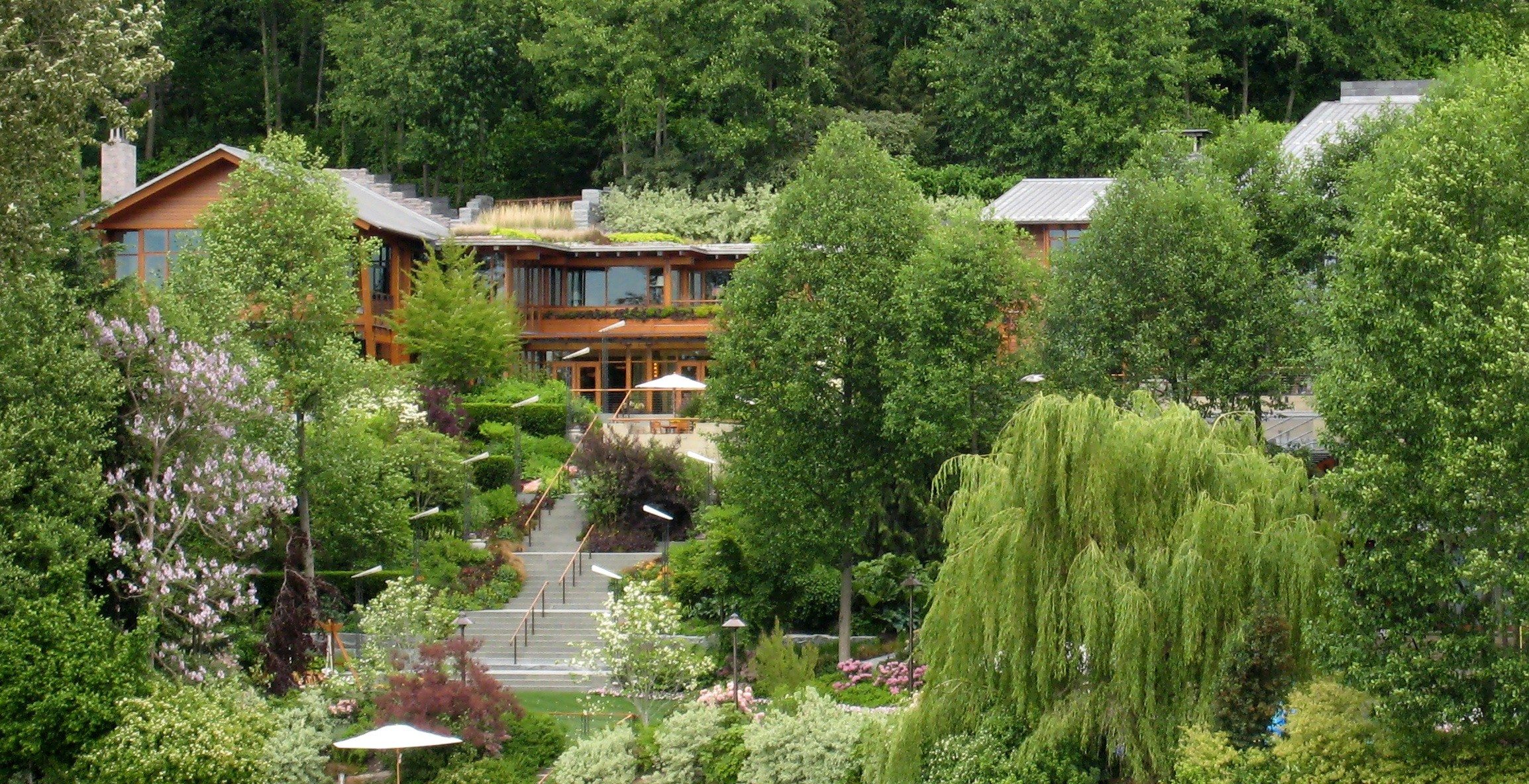
12. Xanadu 2.0 – Seattle, Washington.
Value: $121 million
Owner: Bill Gates
Net worth: $80 billion
wikipedia.org
Perhaps the most fascinating feature of the Microsoft owners’ high-tech customized abode is the underwater sound system in its pool. The lake Washington estate also features a 2300-square-foot reception hall, 2500-square-foot gym, a 2100-square-foot dome-shaped library, a 6,300-square-foot underground garage and many other classic facilities.
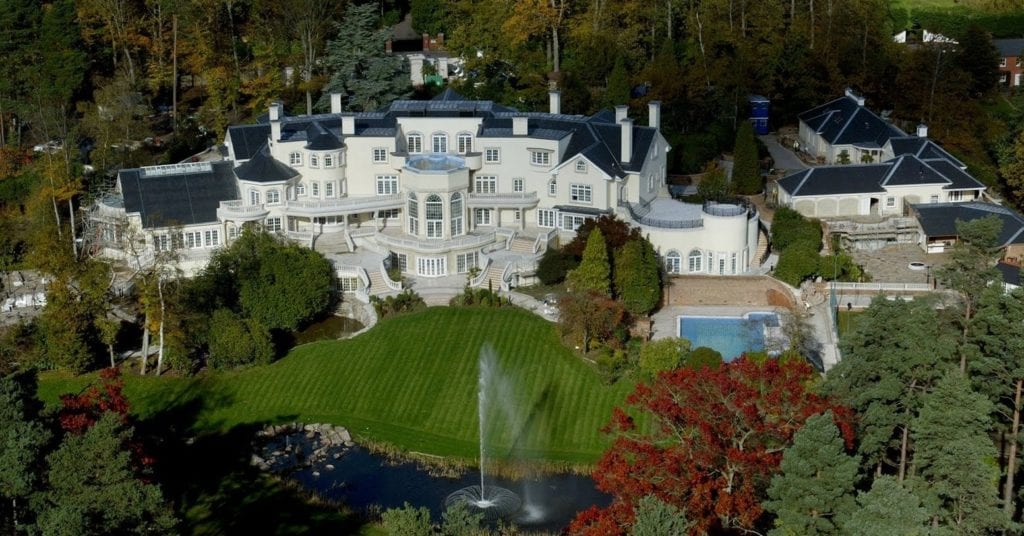
11. Upper Phillimore Gardens – Kensington South-West London
Value: $126 million
Owner: Victor and Elena Pinchuk
Net worth: $1.5 billion
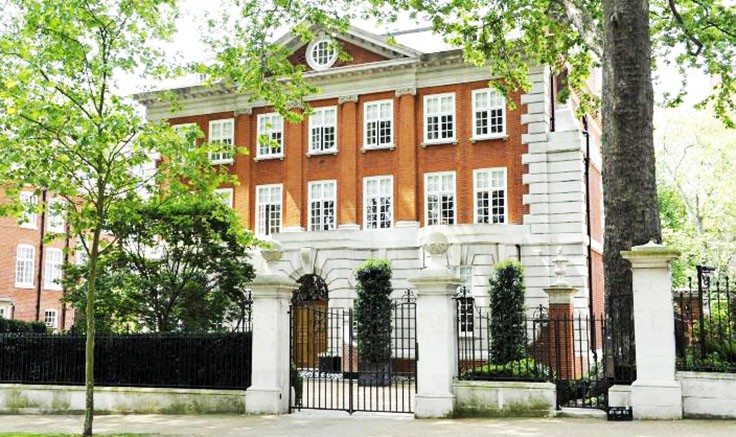
The Victorian villa, once the most expensive house in the world is now a property of business magnate, philanthropist Victor Pinchuk who is married to the former Ukrainian presidents daughter, Olena Pinchuk, ownership valid from 2008. It is revealed the new owners spent about $15 million modifying their villa to their taste. Though the exteriors look quite regular, the interior of the 5-story building is the exact opposite, having the most sophisticated luxuries including an underground pool, hi-tech panic room, a spa, a gym, and a cinema.The villa has ten bedrooms.
10. Blossom Estate – Palm Beach, Florida
Value: $130 million
Owner: Ken Griffin
Net worth: $7 billion
This is actually a four-in-one property, the 8 acre oceanfront estate is made up of four buildings, situated abreast each other. Owner, Ken Griffin founder of Citadel demolished the fourth building. It is reported that all four buildings were once used as a single estate.
9. Kesington Palace Gardens – London, UK
Value: $140 million
Owner: Roman Abramovich
Net worth: $13 billion
Russian billionaire and owner of English football club also owns a number of mansions in London. The famous Billionaires’ Row Street mansion seems to be the most outstanding. The autocrat’s refurbish plan for his abode include an underground tennis court, a museum, and a health centre.
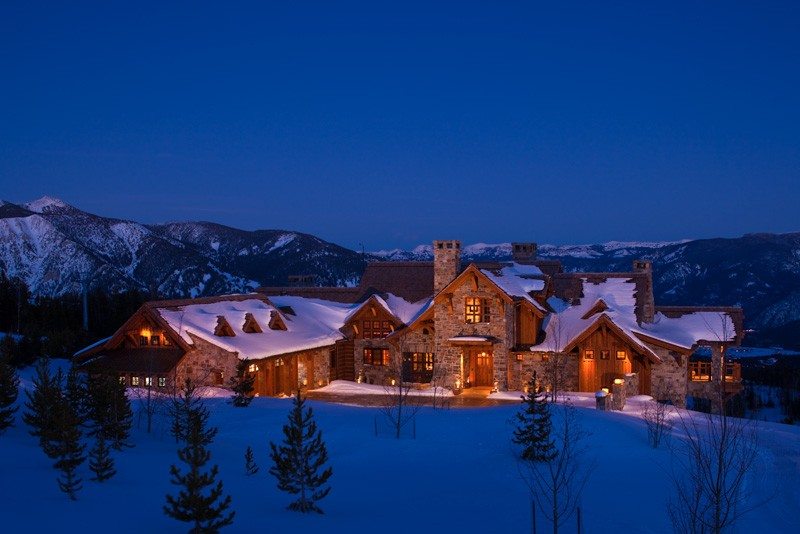
8. The Pinnacle – Montana, US
Value: $155 million
Owner: Tim Blixseth
Net Worth: $1.2 billion
The ski lovers will absolutely get dreamy about this one, as this building has a skiing ground for its immediate surroundings. The ski-property is situated within the billionaire Yellowstone club resort and belong to billionaire couple Time & Edra Blixseth. Despite the snow, the building feels as warm as you would like as every nook and cranny is fitted with heating systems. Making up the house are ten bedrooms and bathrooms each with a fire-place, an outdoor and indoor pool, a wine cellar and a gym.
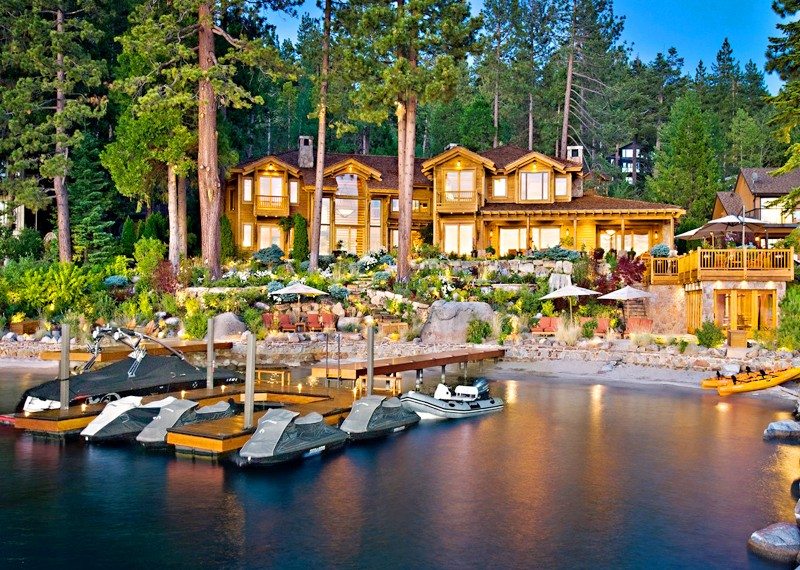
7. Ellison Estate – Woodside, California
Value: $200 million
Owner: Larry Ellison
Net worth: $49.3 billion
The Oracle founder built a Japanese style manse in 2004, Larry Ellison is a real estate fanatic and owns numerous properties. The world’s 5th richest man’s estate touts, 10 buildings, an artificial pond, a tea house, a koi pond and a bath house.
6. One Hyde Park Penthouse – Knightsbridge, Central London
Value: $221 million
Owner: Rinat Akhmetov
Net worth: $6.9 billion
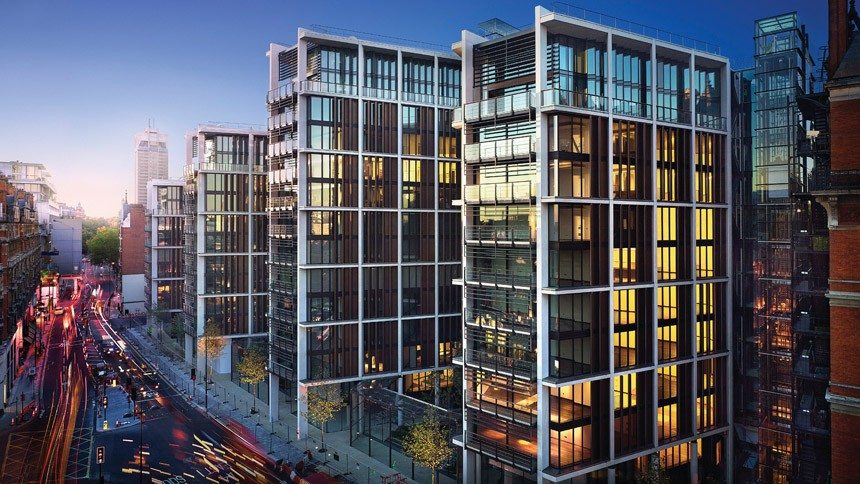
The One Hyde park is considered to be the world’s most expensive apartment building, since its debut in 2011, the 86 residence capacity has sold up to $3.37 billion. Little wonder why its unfinished penthouse without interior wall, bathrooms or flooring costs a total of $221 million. The penthouse sizes up to 16,000 square foot. It has been speculated that bringing the penthouse to a desired finish will cost nothing less than $266 million. Exciting amenities in One Hyde park includes, top security facilities like bulletproof glass doors and windows, standby, armed and professionally trained security guards, basement car park, exquisite spa, golf course, car cleaning services, pool, to mention but a few.
5. Kesington Palace Gardens – London, UK
Value: $222 million
Owner: Lakshi Mittal
Net worth: $12.3 billion
The Indian billionaire owns not one but three houses on the highly secured billionaires row street This one sold by hedge fund billionaire Noam Gottesman was purchased for his son Aditya Mittal.
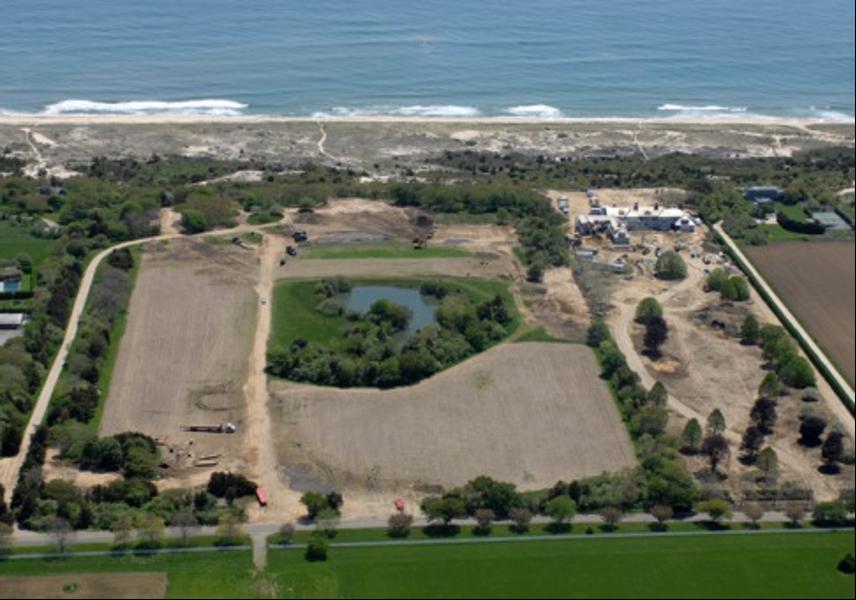
4. Fair Field – Segaponack, New York
Value: $249 million
Owner: Ira Rennert
Net worth: $6.1 billion
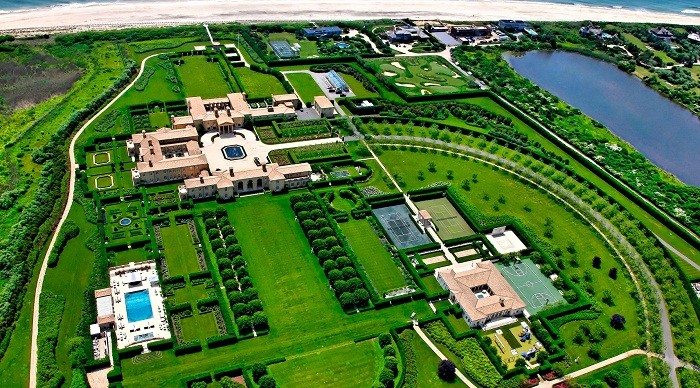
The Hampton residence of billionaire Industrial investor, Ira Rennert, was completed within the space of 5 years, from 1998-2003. According to thepinnaclelist.com ,the home is said to be the largest and most expensive home in America. The home constitutes 29 bedrooms, 39 bathrooms, 3 swimming pools, 164-seat screening theatre, 2 tennis and squash courts, and its very own remarkable on-site power plant.
3. Villa La Leopolda – Cote D’Azure, France
Value: $750 million
Owner: Lily Safra
Net worth: $1.3 billion
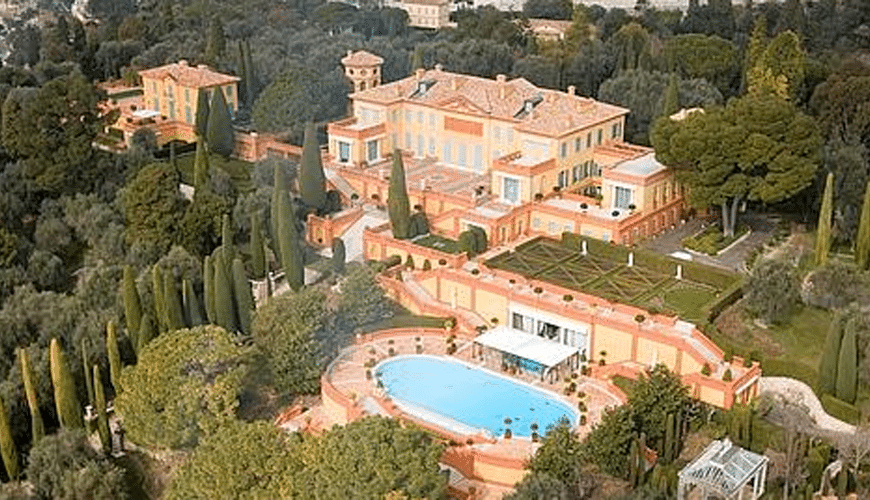
The amazing structure derives its name from original owner, Late King Leopold II of Belgium. The Architectural credit of this masterpiece goes to the American, Ogden Codman, Jr. The design and building process was concluded within the space of two years from 1929 to 1931. The king gave the estate to his mistress Miss Blanche Zélia Joséphine Delacroix, which was later inherited by the King’s nephew King Albert I after his death and the eventual eviction of his mistress. Ownership of the great building has evolved over the years. As of 2008, the property was purchased by Lily Safra at a price of $736 million. Siting on 50 acres of land, it features 11 bedrooms, an outdoor kitchen, a pool, and everything else.
2. Antilla – Mumbai, India
Value: $1 billion
Owner: Mukesh Ambani
Net worth: $20.8 billion
This 27-story, 56,000 ft sky scraper is actually a residential building, belonging to the 5th richest man in the world, and richest man in India, Mukesh Ambani. This extraordinary structure was designed by Americans Lawrence Perkins and Phillip Will and constructed by Leighton holdings. There’s a lot to be said about this building but to satisfy curiosity I’ll just go straight to its incredible features; 9 elevators to move you through its floors, 3 helipads, 6 parking lots, with a total of 168 car capacity, pools, a well cultivated balcony garden with its plants serving as energy-savers occupying 3 floors, a temple for family prayers, a health spa, snow room, ice cream room, a saloon, a 50-seater cinema, a ballroom, a gym, indoor and outdoor bar. The building is tended to by 600 staff with their own relaxation room. It is constructed to withstand 8 Richter scale earthquake. This you would agree with me is a 21st century wonder.
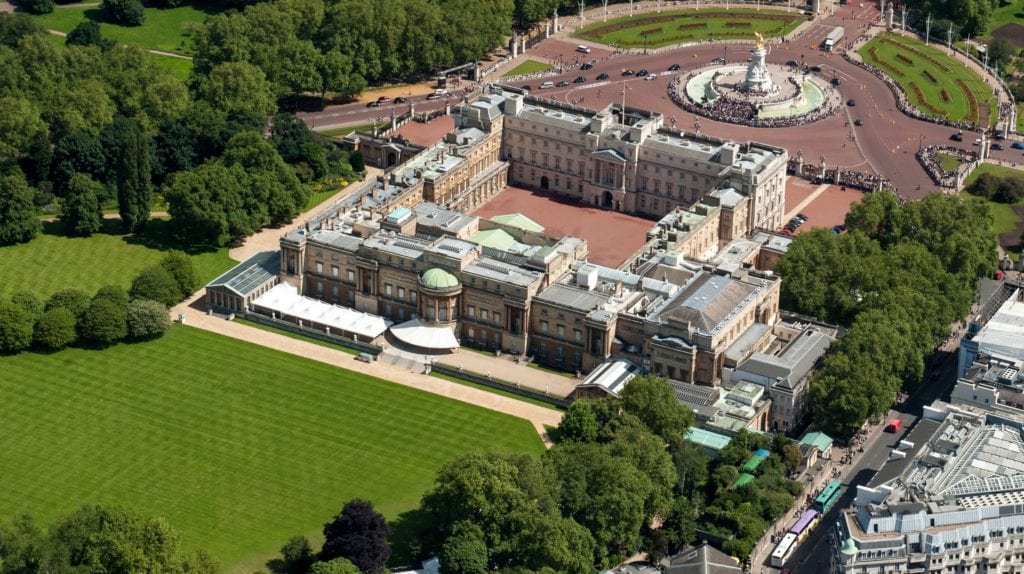
1. Buckingham Palace – London
Value: $1.5 billion
Owner: British Sovereigns
Yes! It is indeed a palace, official home to the one and only Queen of England, and other British sovereigns. Located it Westminster, London, It was built in 1703 to the Duke of Buckingham and stands on about 40 acres of land.
Since its existence, the palace has undergone several modifications and additions to make it a befitting abode for the royals. You shouldn’t expect anything less from this palace, from the magnificent and stunning artworks, to gorgeous heavenly chandeliers, to gold-plated wares and furniture, the Buckingham palace is absolutely glorious almost indescribable.
The palace encompasses 775 rooms including 188 staff bedrooms 52 Royal and guest bedrooms 92 offices 78 bathrooms and 19 State rooms. Other facilities include; a pool, lake, tennis court, cinema, staff eatery, chapel, hospital and many more, and of course you know royalties go nowhere without their security and servants, they really do enjoy having everything at their beck and call.
Aquariums have been around since the time of the Roman Empire. The first fish to be transferred to an aquarium was the sea barbel, which the Romans kept in small marble tanks under the beds of their guest rooms. Eventually, glass panes were introduced that allowed the Romans to replace at least one side of the marble tanks with glass, thereby improving the visibility.
On the other side of the globe, China was also able to develop porcelain tubs where they could keep their goldfish. However, it was only in the middle of the 19th century that fish keeping using an aquarium became a popular hobby. The very first public aquarium, called the Fish House, was opened in 1853 at the London Zoo. The following year, Philip Henry Gosse, combining the words aquatic and vivarium, coined the term aquarium.
The hobby boomed further in the 20th century as electricity became more widely used. It allowed artificial lighting, aeration, filtration and water heating. Today, it has become the second most popular hobby after stamp collecting.
If you really want to an astonishing view of aquatic animals, the best way is through the large public aquariums located in big cities around the globe. Here is a list of the top 10 most amazing aquariums in the world.
mi Aquarium, Okinawa, Japan
The Okinawa Churaumi Aquarium used to have the distinction of having the largest acrylic panel in the world, though the aquarium in Dubai has since surpassed it. Still, this aquarium is a must-see for those visiting Japan. It opened in 2002 as part of the island’s Ocean Expo Park. In just the last three years, four manta rays have been born in the aquarium. It has regular surprises for its visitors, making a trip there can truly be something memorable.
9. uShaka Marine World, Durban, South Africa
The uShaka Marine World aquarium is located in Durban, South Africa. It was actually built to resemble a ship’s wreckage, making its ambiance really unique and different. Visitors to the place can enjoy up to 32 tanks that feature practically every sea creature on earth, from several large dolphins to tiny sea horses. When you get hungry, you can actually fill up while having an underwater feeling. The eateries in the aquarium allow you to partake not only of the food in the restaurant, but also of the sights in the tanks. Try out the Cargo Hold restaurant, which features a full-size aquarium with sharks roaming around inside.
8. Shanghai Ocean Aquarium, Shanghai, China
The Shanghai Ocean Aquarium in China features an underwater tunnel that is 155 meters long. Move around the place and you will see the usual sea creatures that have become a staple in aquariums all over the world. However, what makes this aquarium unique is the presence of several endangered species from the country’s Yangtze River, including the Yangtze alligator and giant salamander. Visitors are also treated to the sights of Chinese water dragons and even rare penguins from Antarctica.
7. Monterey Bay Aquarium, Monterey, California
The Monterey Bay Aquarium first opened in 1984, but it has maintained its status as one of the most amazing aquariums in the world. That is because it plays host to over 35,000 aquatic animals. These creatures come from approximately 623 different species. The impressive array of sea animals includes everything from whales, hammerhead sharks, stingrays and blue fin tunas, to sea otters, jellyfish, sea sardines and wolf eels. This magnificent aquarium is open the entire year round and provides not just amazing views of the animals, but also a lot of educational information and knowledge.
6. L’Oceanografic, Valencia, Spain
L’Oceanografic is located in Valencia, Spain. The place itself is already a sight to behold, with its impressive water lily-inspired structure. Considered as probably the largest aquarium in Europe and one of the largest in the world, it covers up to 110,000 square meters of space. It lies at the middle of the City of Arts and Sciences, a futuristic complex in the city. The aquarium focuses on sea creatures from three ecosystems, namely the Antarctic, Arctic and Mediterranean Sea. It is host to more than 45,000 aquatic animals from these three regions.
5. Turkuazoo, Istanbul, Turkey
The Turkuazoo aquarium in Istanbul opened in 2009 and is funded by the public. It is considered as the nerve center of marine and aquatic research in the region. The aquarium is located inside the Forum Istanbul Shopping Mall. It has around 30 exhibits and several different zones, including one exclusively for tropical seas, another for flooded forests, and a separate one for rain-forests. It is the home of around 10,000 sea animals, including giant stingrays, tiger sharks, and even piranhas. This aquarium is a great place to learn more about the inhabitants of the sea.
4. Aquadom, Berlin, Germany
The Aquadom is an aquarium located inside the Radisson Hotel in Berlin, Germany. The size of the area it occupies may not be impressive at first, but once you see it, you will certainly be mesmerized by the structure. The aquarium has a cylindrical shape and runs 25 meters in height and 11 meters in diameter. It has a capacity of around a million liters of water, providing a sanctuary to more than 2,600 sea creatures. If that still does not impress you, maybe you should try the transparent elevator that goes right through the entire tank as you head towards the upper observation deck.
3. Georgia Aquarium, Atlanta, Georgia
The Georgia Aquarium in Atlanta is one of the largest aquariums in the world. The impressive facility opened in 2005 after a generous grant of $250 million from Bernie Marcus, the owner of Home Depot. The aquarium features several sections, including the magnificent Ocean Voyager section. This section features whale sharks housed in tanks that have capacities of up to 24 million liters of water each.
2. The Deep Aquarium, Hull, England
The Deep Aquarium may not be the most impressive in terms of size, but nevertheless, it is still one of the most impressive. Strictly speaking, The Deep Aquarium is actually a submarium. It has tanks filled with 2.5 million liters of seawater. It plays host to seven variety of shark species, as well as more than 3,500 different kinds of sea animals and creatures. The aquarium opened in 2002 and has been a major tourist destination since it started its operations. The general public funds the place, and it also plays an important role in marine research through its modern aquatic laboratories.
1. Dubai Aquarium and Discovery Centre, Dubai, United Arab Emirates
The royalty of Dubai has certainly put all that oil money to good use as the Emirates tries to position itself as a major tourist destination. Aside from the construction of tall buildings like the Burj Khalifa and man-made islands like the Palm Jumeirah, Dubai also has the Dubai Aquarium and Discovery Centre located at the giant Dubai Mall. It boasts of the largest acrylic panel in the world. The aquarium also plays host to more than 33,000 sea animals belonging to 85 different aquatic species sourced from around the world.
The Smithsonian is the world’s largest research and museum complex, with 19 museums and galleries, the National Zoological Park, and various research stations. More than 137 million objects detailing America’s story are housed here, so you’d better prepare for a long week of walking. There’s so much to see that, if you spent one minute day and night looking at each object on exhibit, in ten years you’d see only ten percent of the whole. Therefore, it’s wise to head out with a plan. Focus on only one or two exhibits at two or three different museums.
Main attractions: Dorothy’s ruby red slippers, the dresses of the First Ladies, and the original Star-Spangled Banner at the National Museum of American History; the Gem Hall (including the Hope Diamond) at the National Museum of Natural History; and the Wright brothers’ 1903 Flyer, the Spirit of St. Louis, and the Apollo 11 command module at the National Air and Space Museum.
Le Louvre, Paris, France
The Louvre was a medieval fortress and the palace of the kings of France before becoming a museum two centuries ago. The addition of I. M. Pei’s pyramid shocked many when it was unveiled in 1989 as the new main entrance, yet it somehow works, integrating the palace’s disparate elements. The museum’s collections, which range from antiquity to the first half of the 19th century, are among the most important in the world. A good place to start is the Sully Wing, at the foundations of Philippe-Auguste’s medieval keep—it’s in the heart of the Louvre, kids love it, and it leads straight to the Egyptian rooms.
Main attractions: “Venus de Milo,” “Winged Victory of Samothrace,” and Leonardo da Vinci’s “Mona Lisa.”
The Acropolis Museum, Athens, Greece
The stunning ground floor gallery houses finds from the slopes of the Acropolis. Its amazing transparent glass floor provides a walk over history, with a view of the archaeological excavation, while sloping upward to the Acropolis with sanctuaries of the Athenians from each historic period nearby. Smaller settlements have been excavated, yielding glimpses of Athenian life. For the first time, the exhibits in the Archaic Gallery allow visitors to take in all sides of the objects, which are displayed in open spaces characterized by changing natural light.
Main attractions: The frieze of the Parthenon is mounted on a structure with exactly the same dimensions as the cella of the Parthenon, giving comprehensive viewing of every detail.
State Hermitage, St. Petersburg, Russia
Russia may be isolated from the artistic centers of Paris, Rome, and London, butthe Hermitage has managed to acquire a spectacular collection of world art—more than three million items—spanning the years from the Stone Age to the early 20th century. The museum occupies six buildings along the Neva River, the leading structure being the confection-like Winter Palace. This gloriously baroque, blue-and-white structure was finished in 1764 and over the next several centuries was the main residence of the czars. Catherine the Great founded the museum that same year when she purchased 255 paintings from Berlin. The museum’s focal point is Western European art—120 rooms in four buildings ranging from the Middle Ages to the present day. Rembrandt, Rubens, Tiepolo, Titian, da Vinci, Picasso, Gauguin, Cézanne, van Gogh, and Goya are all represented here. For in-depth tours, contact Glories of the Hermitage.
Main attractions: The Treasure Gallery’s Gold Rooms showcase golden masterpieces from Eurasia, the Black Sea Littoral in antiquity, and the Orient. The museum also houses pieces from Nicholas II’s private collection, including paintings, drawings, and medals created to commemorate his coronation.
The British Museum, London, England
Britain’s largest museum looks after the national collection of archaeology and ethnography—more than eight million objects ranging from prehistoric bones to chunks of Athens’ Parthenon, from whole Assyrian palace rooms to exquisite gold jewels.
Main attractions: The Egyptian gallery boasts the world’s second finest collection of Egyptian antiquities outside Egypt, including the Rosetta Stone, carved in 196 B.C.
The Prado, Madrid, SpainThe Spanish royal family is responsible for the Prado’s bounty of classical masterpieces. Over centuries, kings and queens collected and commissioned art with passion and good taste. In addition to stars of Spanish painting such as Velázquez, Goya, Ribera, and Zurbarán, the Prado has big collections of Italian (including Titian and Raphael) and Flemish artists. Fernando VII opened the collection to the public in 1819, in the same neoclassic building it’s housed in today, designed by Juan de Villanueva.
Main attraction: “The Three Graces” by Rubens.
The Metropolitan Museum of Art, New York City, New YorkThe Metropolitan Museum of Art is the largest museum in the Western Hemisphere. Its collection of more than two million items is not only broad—covering the entire world, from antiquity to the present—but deep, with holdings so large in a number of areas that some might be considered museums unto themselves. Its European paintings are stunning: works by Botticelli, Rembrandt, Vermeer, Degas, Rodin, and other luminaries. The Egyptian Collection showcases the tomb of Perneb (circa 2440 B.C.) and the exquisite Temple of Dendur (circa 23-10 B.C.). The American Wing contains American arts and crafts, including a room from a Frank Lloyd Wright Prairie House. And the list goes on and on.
Main attractions: “Adam and Eve,” the well-known engraving by Albrecht Dürer, is only one of the many impressive pieces you will discover at the Met.
The Vatican Museums, Vatican City, ItalyTwenty-two separate collections comprise the Musei Vaticani, each one more spectacular than the next. The most famous are probably the Museo Pio-Clementino, with its splendid classical sculpture; the Raphael Rooms, entire rooms painted by Raphael; the Pinacoteca (picture gallery), which contains the cream of the Vatican’s collection of medieval and Renaissance paintings; and, of course, Michelangelo’s Sistine Chapel. But there is also the ancient Egyptian exhibits of the Museo Gregoriano Egizio, as well as the Etruscan offerings of the Museo Gregoriano Etrusco. And that’s just a start.
Main attractions: The renowned Sistine Chapel and the Raphael Rooms are not to be missed.
The Uffizi Gallery, Florence, Italy“Great” is an overworked adjective in Italy, where so many of the country’s monuments and works of art command the highest praise. In the case of the Galleria degli Uffizi, it barely does justice to a gallery that holds the world’s finest collection of Renaissance paintings. All the famous names of Italian art are here—not only the Renaissance masters, but also painters from the early medieval, baroque, and Mannerist heydays.
Main attraction: “The Birth of Venus” by Botticelli is one.
Rijksmuseum, Amsterdam, the NetherlandsAbout 900,000 objects fill the Rijksmuseum, the largest collection of art and history in the Netherlands. It is most famous for its paintings by 17th-century Dutch masters, including Ruysdael, Frans Hals, Johannes Vermeer, and Rembrandt van Rijn. Established in 1800 to exhibit the collections of the Dutch stadtholders, the Rijksmuseum also displays art from the Middle Ages. The main building is closed for renovation until 2013; collection highlights are displayed in the Philips Wing and at Rijksmuseum Schiphol.
Welcome, and congratulations! You’ve just bought a ticket to the world of Autodesk ® 3ds Max Design ® . Hang on and get ready for the ride of a lifetime! With 3ds Max Design, you can create 3D places and characters, objects and subjects of any type. You can arrange them in settings and environments to build the scenes for your movie or game or visualization. You can animate the characters, set them in motion, make them speak, sing and dance, or kick and fight. And then you can shoot movies of the whole virtual thing.
Room #2
CG image courtesy of Transparent House. 3D artist: Andrey Goncharov.
You can use 3ds Max Design to visualize designs of real things that will actually be built, such as buildings and machines. The File Link feature of 3ds Max Design lets you base visualizations on designs created in AutoCAD ® or Autodesk Revit ® Architecture: When the design changes in these other applications, the revisions can be automatically updated in your 3ds Max Design scene. Add lighting and materials, then render to still image or movie formats.
These tutorials teach 3ds Max Design through a series of hands-on exercises. Prepare to be entertained and fascinated by the awesome power at your fingertips.






 Royal Caribbean
 Royal Caribbean
 Royal Caribbean
 Royal Caribbean
 Royal Caribbean
 Royal Caribbean
 Royal Caribbean
 Royal Caribbean
 Royal Caribbean
 Royal Caribbean
 Royal Caribbean
 Royal Caribbean
 Royal Caribbean
 Royal Caribbean
 Royal Caribbean
 Royal Caribbean
 Royal Caribbean
 Royal Caribbean
 Royal Caribbean
 Royal Caribbean
 Royal Caribbean








.jpg?1456756179)