https://www.youtube.com/watch?v=ei7E2wW7X14
Categories
Art on the wall – Creative Ideas


https://www.youtube.com/watch?v=ei7E2wW7X14
You definitely feel refreshed when ever you heard the name “Garden”. No doubt Garden is a place where you can find peace of mind,fragrance of flowers, Birds chirping, fresh breeze, soothing environment which takes your soul to some other level. A morning walk in a garden is really blessing for you. Meet 10 of the world’d most beautiful gardens. These places, created by humans to feel the blessings of nature. These are some of the well designed, built and most beautiful gardens from around the world.
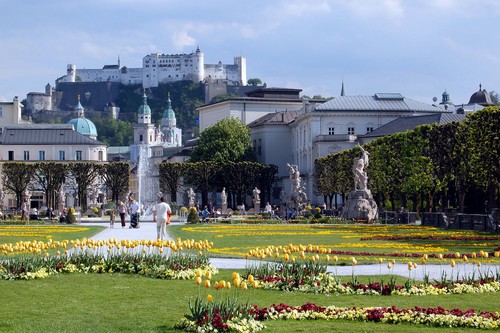
Another classical European garden in the vein of Versailles and the Tuilleries. Mirabell Palace with its beautiful gardens is a listed cultural heritage monument and part of the Historic Centre of the City of Salzburg UNESCO World Heritage Site. The Palace was built by Prince-Archbishop Wolf Dietrich von Raitenau in 1606. This beautiful garden redesigned in 1690, are full of beautiful sculptures, fountains, floral displays and a Dwarf Garden composed of marble creatures. The Hedge Theater – created between 1704 and 1718 – is located in the main part of the Mirabell Gardens and is one of the oldest hedge theaters north of the Alps. For “Sound of Music” fans, the baroque gardens are a must-see: Maria and the von Trapp children frolick through the grounds in the classic musical.
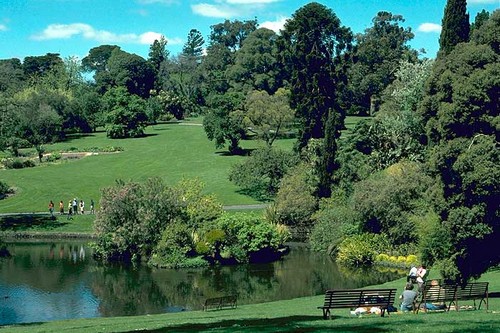
The Royal Botanic Gardens Melbourne are internationally renowned botanical gardens located near the center of Melbourne, Victoria, Australia, on the south bank of the Yarra River. These beautiful Gardens extends over nearly 100 acres of park lands that include a children’s garden, aboriginal heritage walk, herbarium discovery walk, and observatory. Plus, enjoy special events like Philosophy in the Garden, Harp in the Garden, and Yoga for Kids in the children’s garden. The park is one of the most popular destinations in Victoria, with over 1.5 million visitors each year, according to That’s Melbourne.
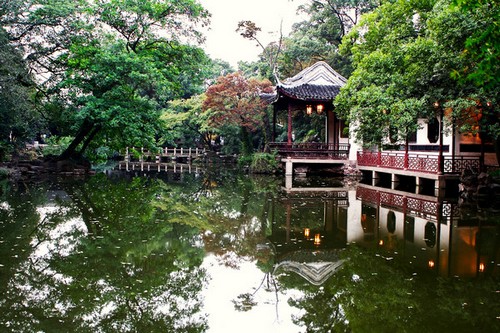
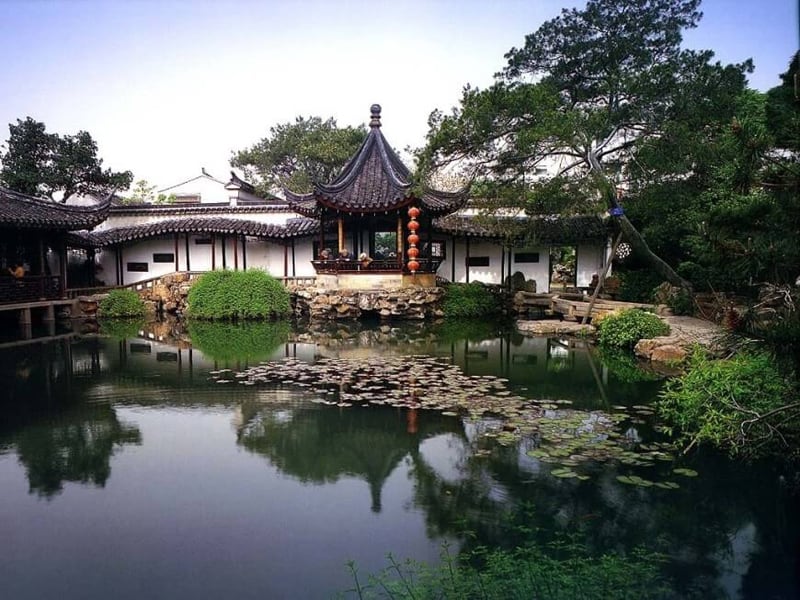
Located inside Xihui Park, this originally 16th-century garden in Jiangsu province is also known as the Garden of Ecstasy – which promises much. But it also delivers. This is a garden of illusion, occupying barely an acre but giving an impression of depth, breadth and height. An artificial mountain in distinctive yellow rock appears to be a natural part of the hilly landscape surrounding the garden, and a decorous “musical” stream gurgles down it into a long pool, its many inlets creating a feeling of naturalism. A beautiful low-eaved pavilion extends over the water at one point, while the far end of the pool is dignified by the Bridge of Seven Stars. Beyond this the garden dissolves into more compartments with pavilions and allées. The fact that the garden was comprehensively restored in the 19th century does not alter the fact of its beauty.
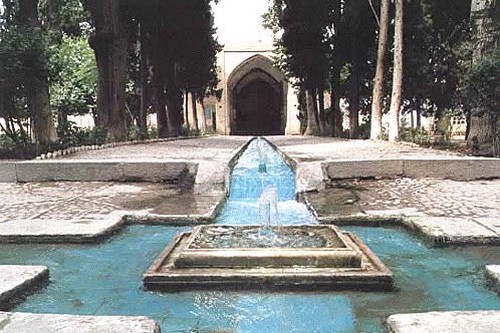
Bagh-e Fin, located in Kashan, Iran, is a historical Persian garden. It contains Kashan’s Fin Bath, where Amir Kabir, the Qajarid chancellor, was murdered by an assassin sent by King Nasereddin Shah in 1852. Completed in 1590, the Fin Garden is the oldest extant garden in the list of most beautiful gardens in Iran. The garden covers 2.3 hectares with a main yard surrounded by ramparts with four circular towers. It features the typical “chahar bagh” design of crossed water rills, derived from verses in the Koran which describe paradise as a land where two rivers cross. In this case the water is drawn from the mountains via an underground system of quanats, or pipes. The garden contains numerous cypress trees and combines architectural features of the Safavid, Zandiyeh and Qajar periods.
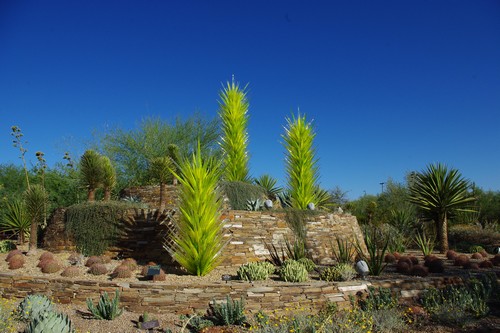
Founded by the Arizona Cactus and Native Flora Society in 1937 and established at this site in 1939, the garden has more than 21,000 plants, in more than 4000 taxa. While there are a number of stunning botanical gardens across the U.S., Phoenix’s Desert Botanical Gardens is one of the best and most beautiful gardens, offering a unique glimpse at a variety of desert flora. Visitors should be prepared to face the heat and dryness, but it’s worth it for a tour of the extensive park, surrounded by vibrant red rocks. The Desert Botanical Garden has been designated as a Phoenix Point of Pride and listed among the list of most beautiful gardens.
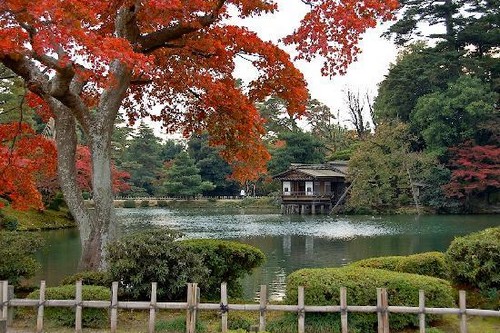
One of Japan’s Three Great Gardens, the Kenroku-en (“garden combining six”) Garden is a haven of peace and tranquility in Ishikawa. With an area of 11.4 hectares located on the heights of the central part of Kanazawa and next to Kanazawa Castle. The Maeda family, who ruled the Kaga Clan in feudal times, maintained the garden from generation to generation. From its scale and beauty, it is regarded as one of the feudal lords’ most beautiful gardens in Japan. The garden is particularly stunning during cherry blossom season in the spring, and admission is free for two weeks at this time.
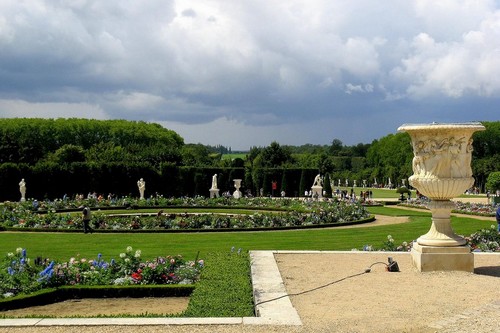
The historic gardens at the Versailles palace are some of the most impressive in all of Europe. These beautiful gardens cover some 800 hectares of land, much of which is landscaped in the classic French Garden style perfected here by Linnea. The grounds of Louis XIV’s luxurious palace were a point of pride for the Sun King, who thought the gardens to be as important as the palace itself. Visitors can spend days in the gardens alone, enjoying the flowers, fountains, winding paths and scenic vistas. The gardens are now one of the most visited public sites in France, receiving more than six million visitors a year.

The Majorelle Garden is a twelve-acre botanical garden and artist’s landscape garden in Marrakech, Morocco. Its stunning cobalt blue accents make it easy to distinguish from any other botanical garden. Owner Yves Saint Laurent, the legendary fashion designer, even named a shade of nail polish from his luxury cosmetics line after it. Created in the 1920s by painter Jacques Majorelle, the garden has been named one of The Telegraph’s 50 Most Beautiful Gardens in the World, and is also one of the most popular tourist destinations in Morocco. The garden also houses the Islamic Art Museum of Marrakech, whose collection includes North African textiles from Saint-Laurent’s personal collection as well as ceramics, jewelry, and paintings by Majorelle.
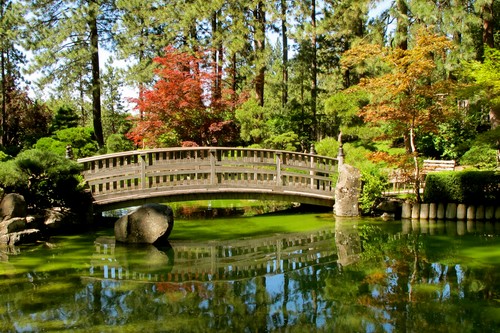
One of the world’s most beautiful gardens, Monet’s Garden in France. The garden was property of Oscar-Claude Monet, a founder of French Impressionist painting. Monet’s gardens are like his paintings — brightly colored patches that are messy but balanced. Flowers were his brushstrokes, a bit untamed and slapdash, but part of a carefully composed design. The painter lived at his house in the French countryside for 43 years, carefully cultivating his flower gardens and water garden. The grounds and house are open to visitors April through October. Tour the property, snap photos of the famous water lilies and visit the nearby Musee des Impressionnismes while you’re there. This garden is truly owns a spectacular place in list of beautiful gardens.
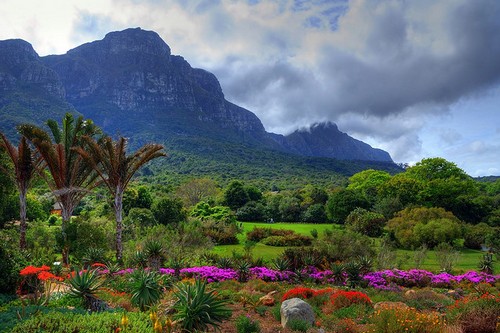
Kirstenbosch is South Africa’s world-famous national botanical garden, set against the backdrop of Table Mountain and Devil’s Peak, and home to more than 22 000 indigenous plants. We include this garden at the first place in our list of most beautiful gardens because of its beautiful and awsomagic environment. When the garden was founded in 1913 to preserve the country’s unique flora, it was the first botanical garden in the world with this ethos. Of particular interest to foreign visitors are the Protea garden – a showcase of these other-worldly plants – and the area devoted to Restio grasses, huge swathes of them in their characteristic deep greens and browns. It was discovered relatively recently that these plants need smoke from bush fires to reproduce, and Kirstenbosch has led the way in unravelling the mysteries of this process.
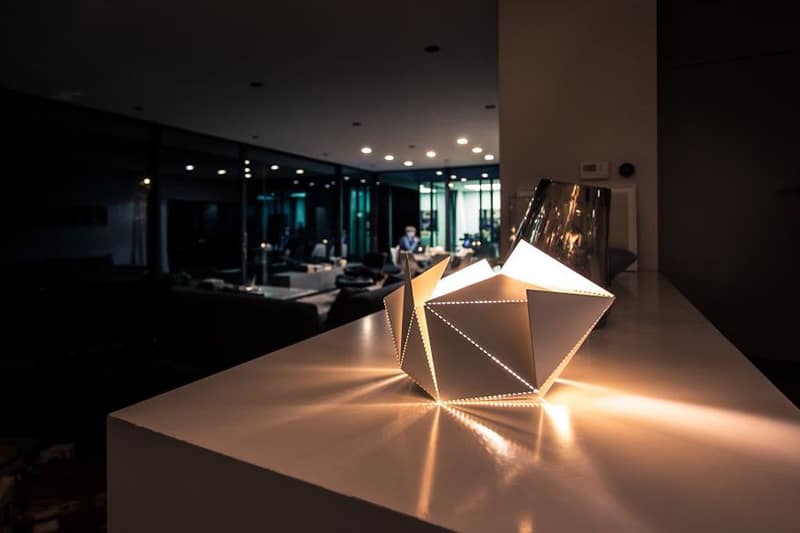
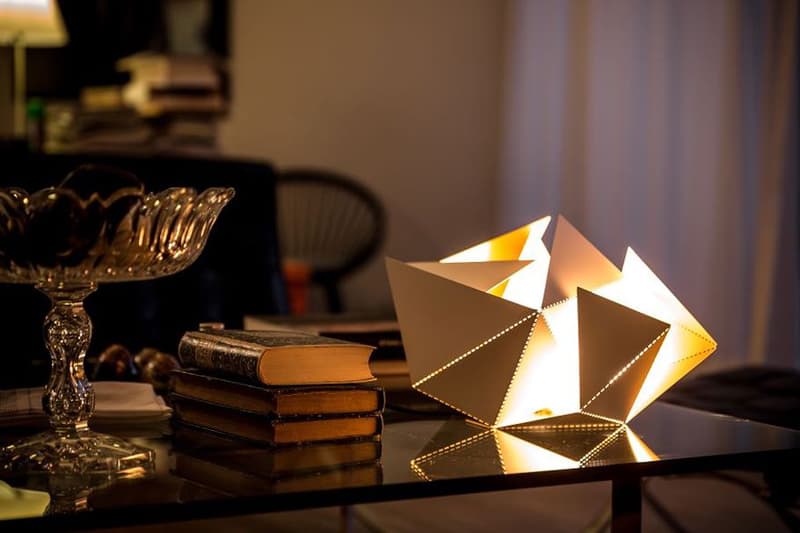
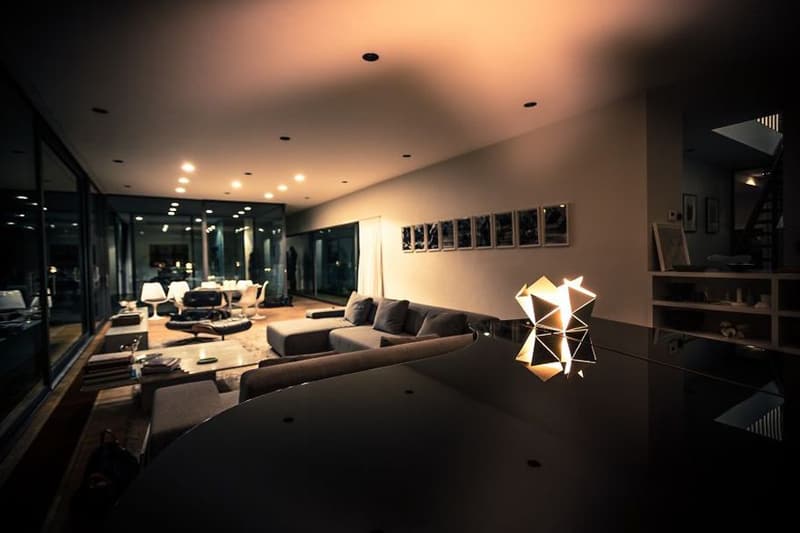
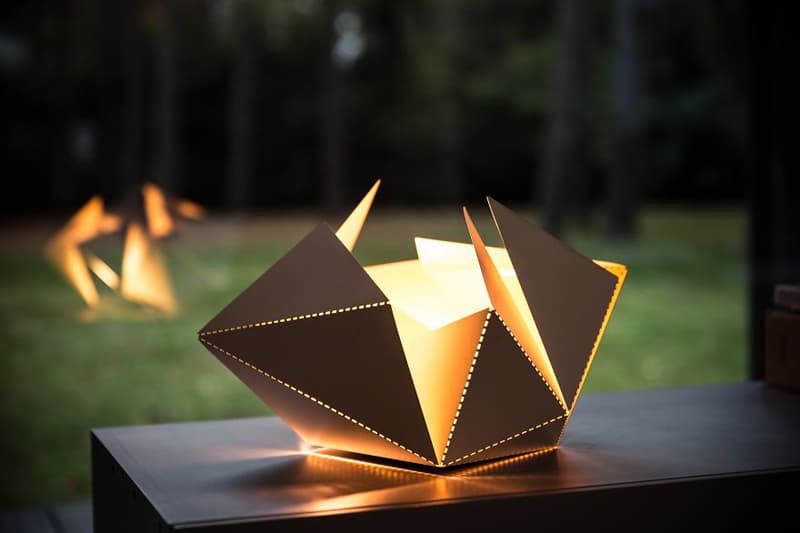
The Folding Lamp by Belgian architect Thomas Hick is an origami light that you can bend and fold into a variety of shapes. The Folding Lamp comes in 5 versions to match your style and your interior. To create the Folding Lamp, you start from a blank sheet of metal that folds along dotted lines, while playing with the order and angle of each fold. You can follow the instructions or let your creative instincts guide you.
According to the architect: “The idea of the folding lamp came when I decided to surprise a close friend of mine who was getting married with a personalized gift. I used to play around with paper and geometrical forms before, so I took the challenge of creating something beautiful from a plain sheet of metal. Due to other priorities, this project was put on hold for a while. One day, seeing my kids play creatively with scissors and paper it got me thinking about this forgotten project and inspired me to re-launch it. My vision is to create a crowdsourcing platform where people can bring their own designs and create their personalized lighting. The role of the platform will be to convert these designs into products by offering manufacturing, marketing and distribution services.”
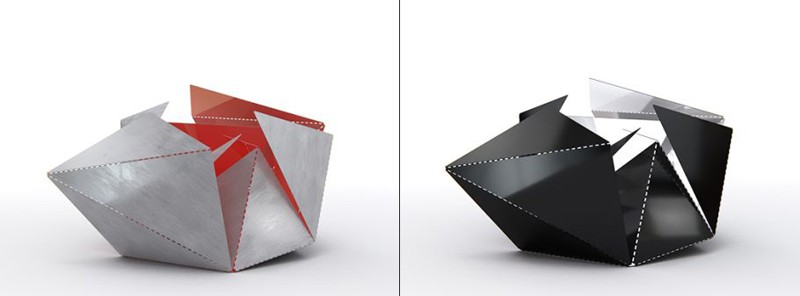
The available materials and colors are respectively Matt Black & Gold, Matt White & Gold, Matt White & Copper, Sanded Matt White & Red Chilli and Brilliant Black & White Pearl. The lamp includes a 2m power cord to give you maximum flexibility in placing the lamp in your home. The lamps are made in Belgium, Europe and meet European safety standards. They include a touch sensor, a high-end LED filament bulb, EU, US or UK plugs, and works with 110V-240V.




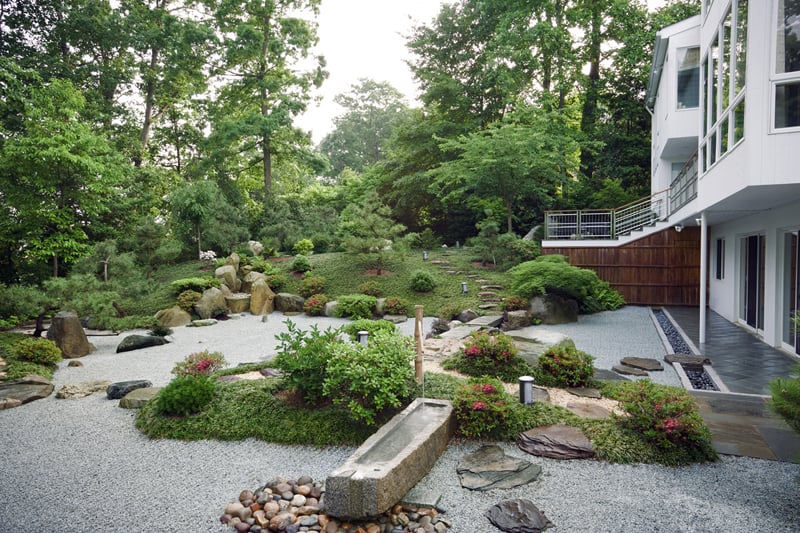
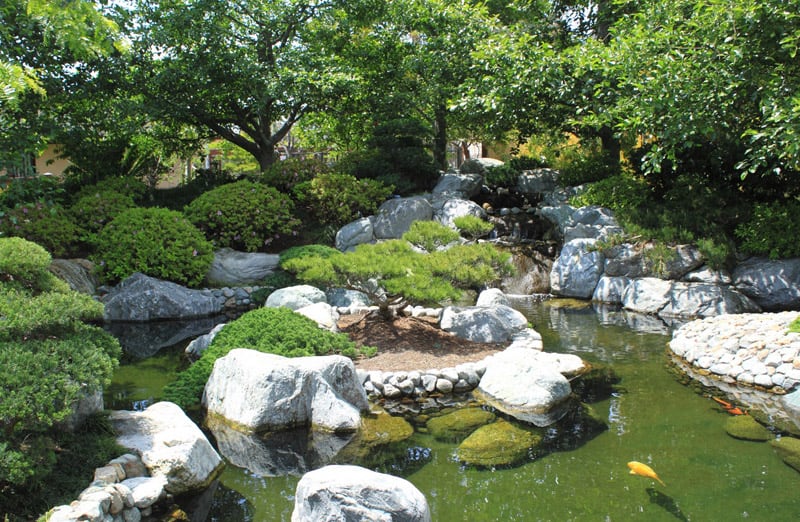
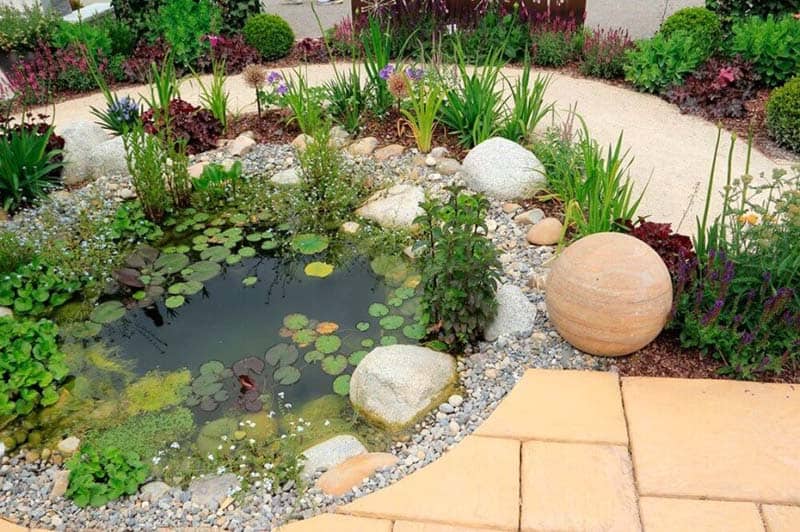
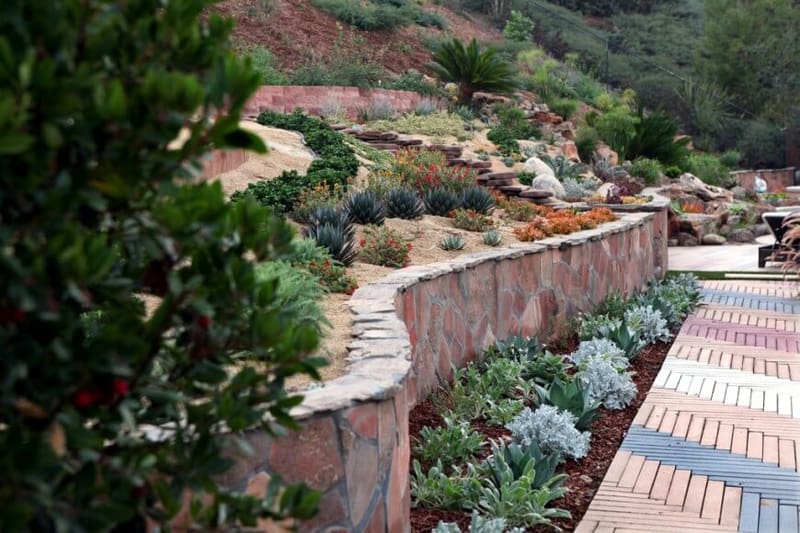
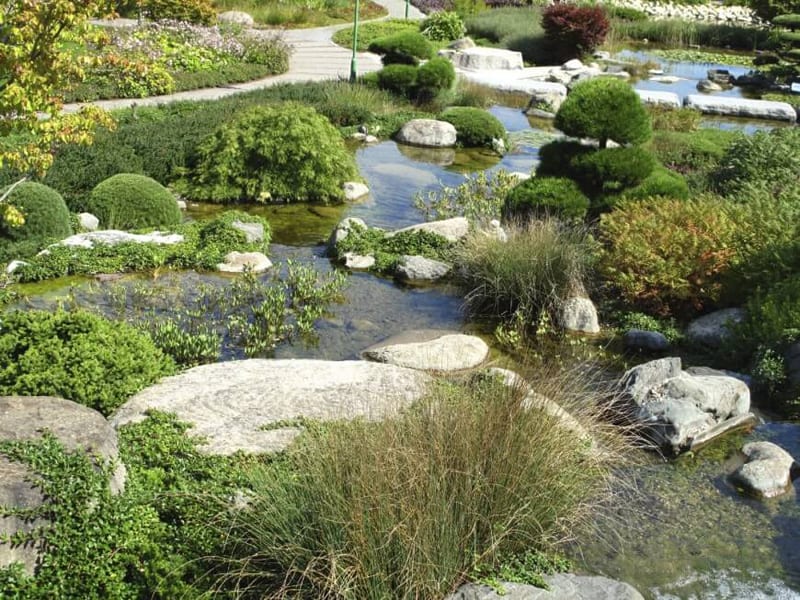
Creating an extension of indoor living is one of the favorite hobbies of a layman. Making a beautiful outdoor in the form of a garden always creates a natural and soothing environment and to achieve desirable results we have plenty of techniques to make a wonderland into our lawn by beautifying our surroundings.Putting an outdoor fountain or waterfall as a garden decorative structure reinvigorates the natural ambiance of our garden and breaks its silence. It brings the residence much closer to nature by influencing their imagination. Having a glimpse of the whirling water of the fountain also overwhelms one’s feelings. The sound of trickling water brings a feeling of tranquility to a yard and is also effective visually for decoration. Enjoy our collection of rock garden ideas and discover how to transform a home garden into a peaceful wonderland!
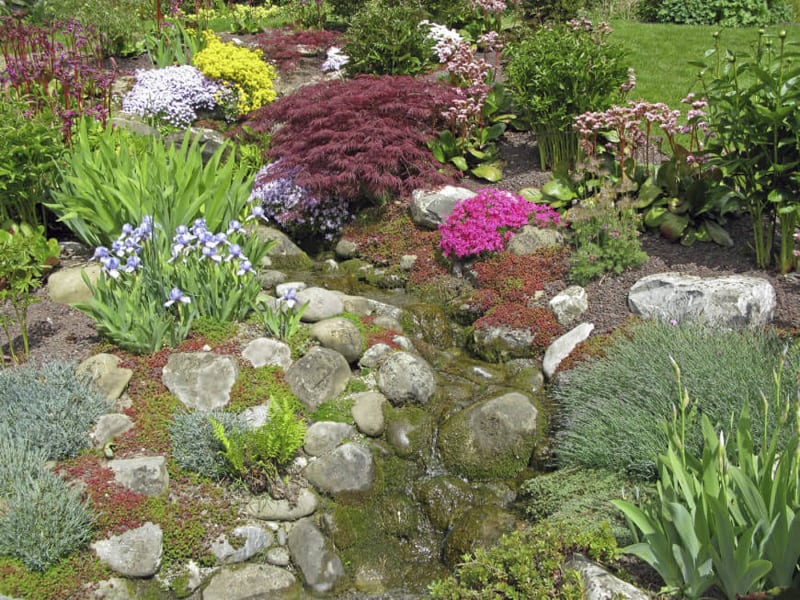
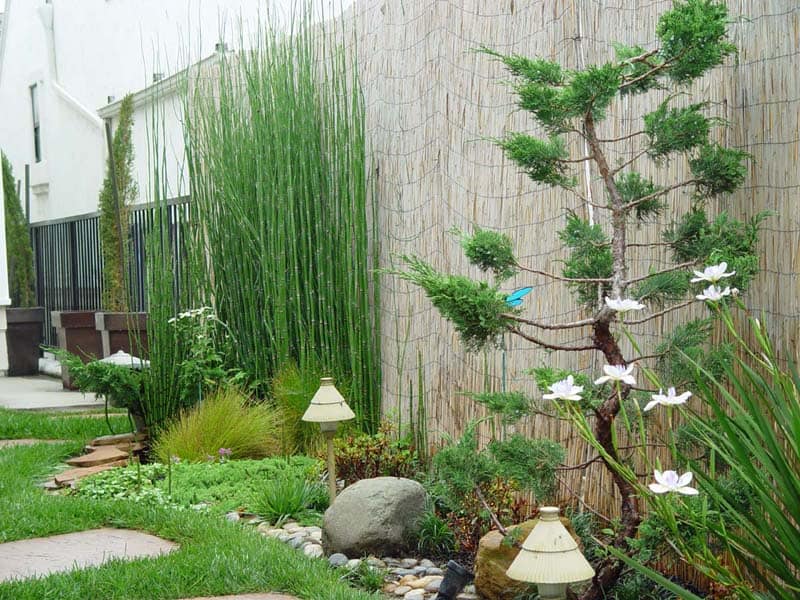
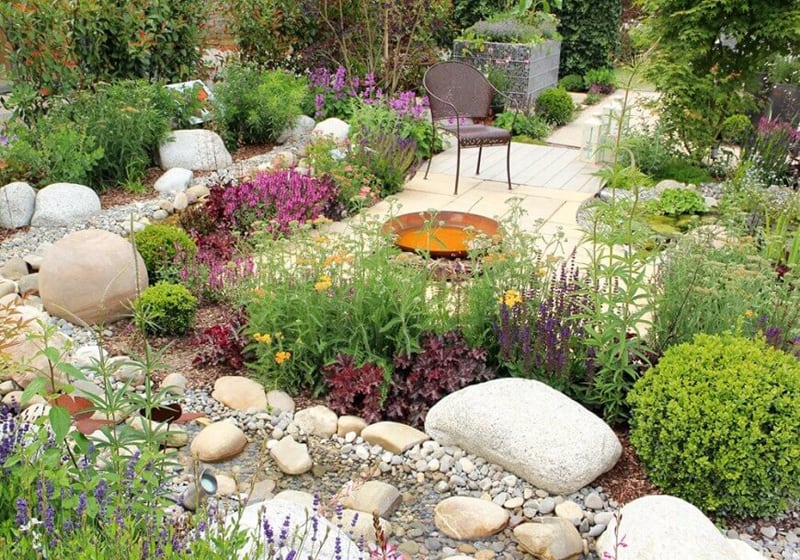
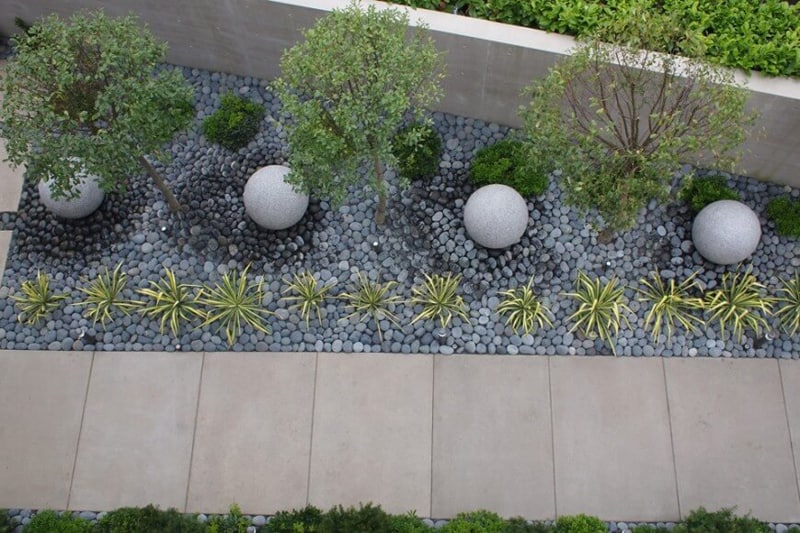
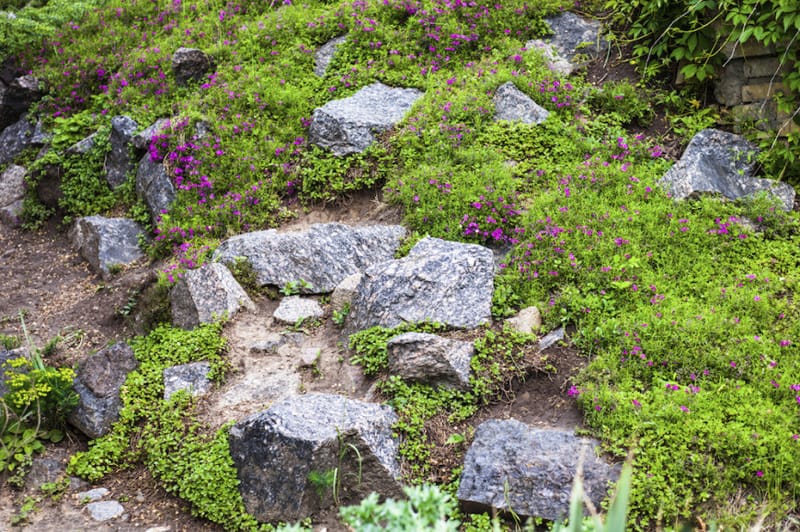
Organic and natural materials should be anyone’s first choice when decorating the outdoors and having a rock garden should definitely be on your wishlist this summer. Rock garden ideas becomes one of the most interesting ideas that is worth to be applied on the garden of your home in order to make it looks more natural. Rock gardens are an amazing way to build texture and depth into your backyard. Find 30 Rock Garden Ideas to Make Your Garden Looks More Natural.
Garden becomes one of the things that are commonly owned by people on their home. it is not only able to make their home looks more perfect, some great gardens even can become a great place that makes the owner of the home feels more relaxed on.
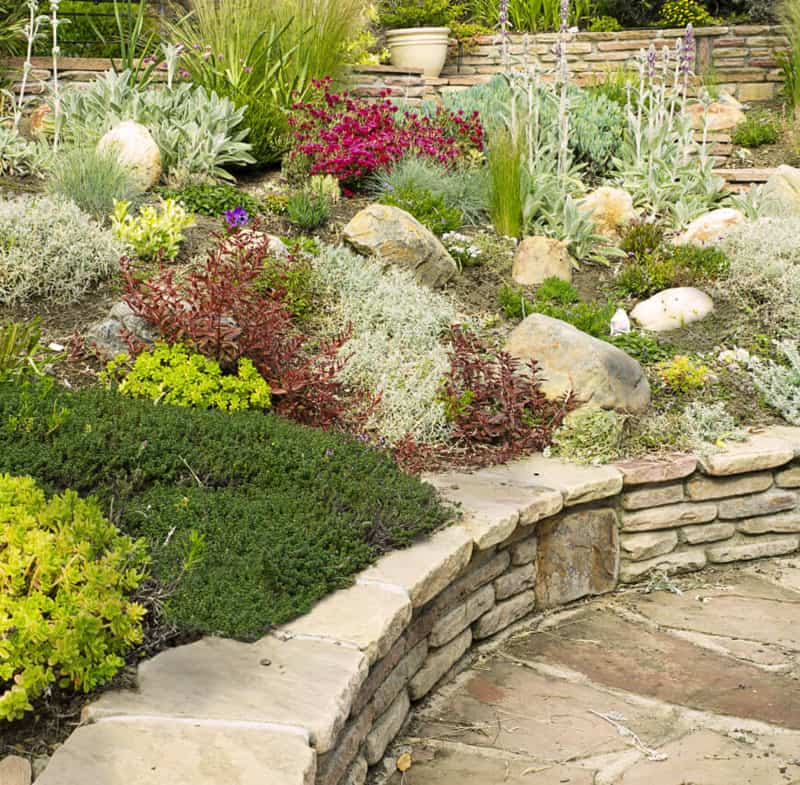
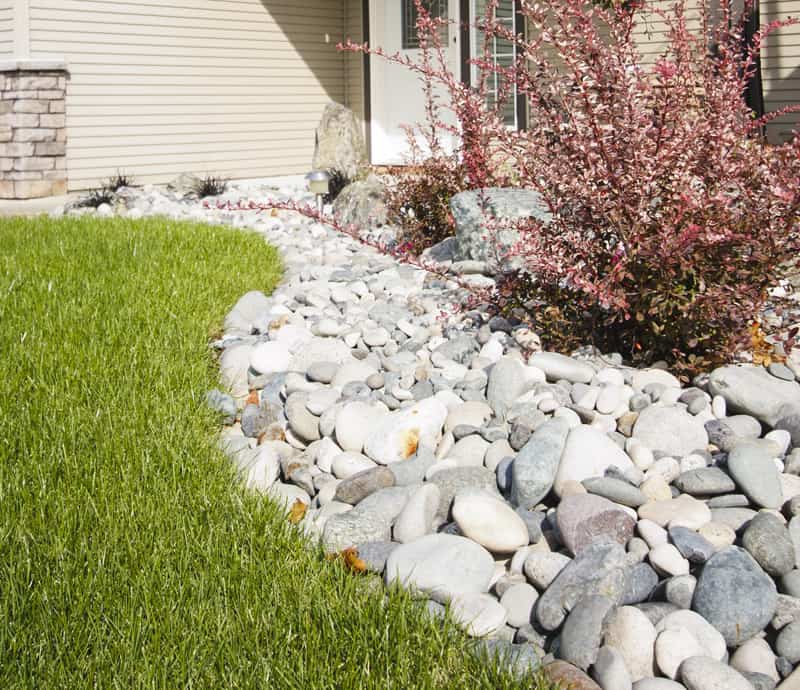
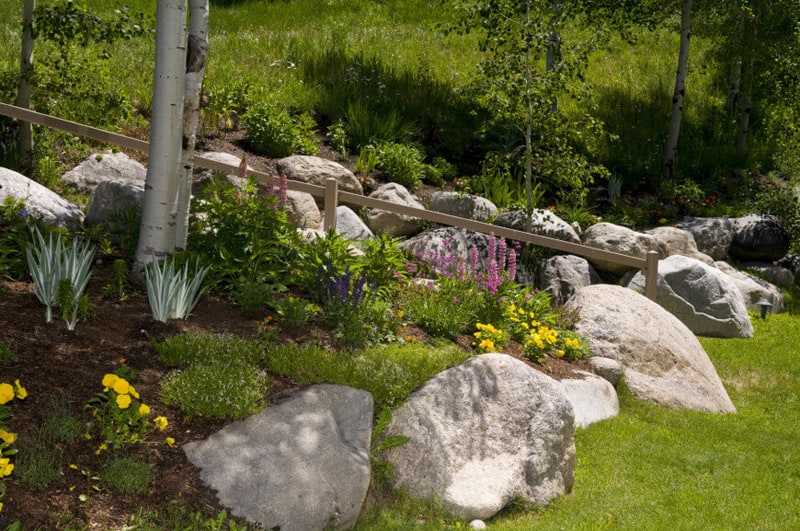
Why cultivate a rock garden? They’re low-maintenance. They’re in season all year round. They add variety to the landscape. Need another reason? Check out the inspirational pictures below. Combining the plants with the rock or stone becomes an interesting idea to be tried for making your garden looks more attractive. You can even apply some rocks in big size to be combined along with plans on your garden for creating more perfect natural look. Use rocks to transform your plain and boring backyard into a beautiful and relaxing oasis. Use their sculptural beauty to create eye-catching designs and try to make them look as natural as possible in the setting you’re providing.
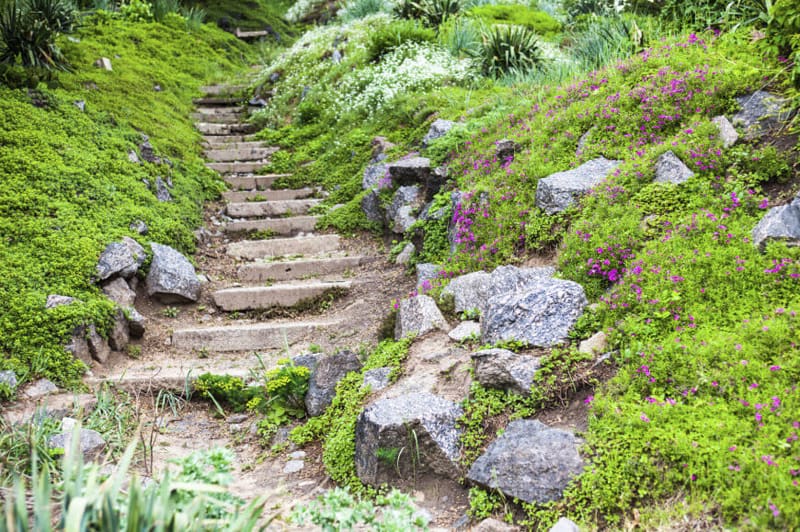
Stones are not very expensive. If you are lucky enough to know where to find free rocks, you may not have to pay anything at all. If you need to purchase stones there are lots of options in a variety of shapes and sizes. Depending on the type of stone you choose, you can expect to spend $155 to $204 per one ton of stones.
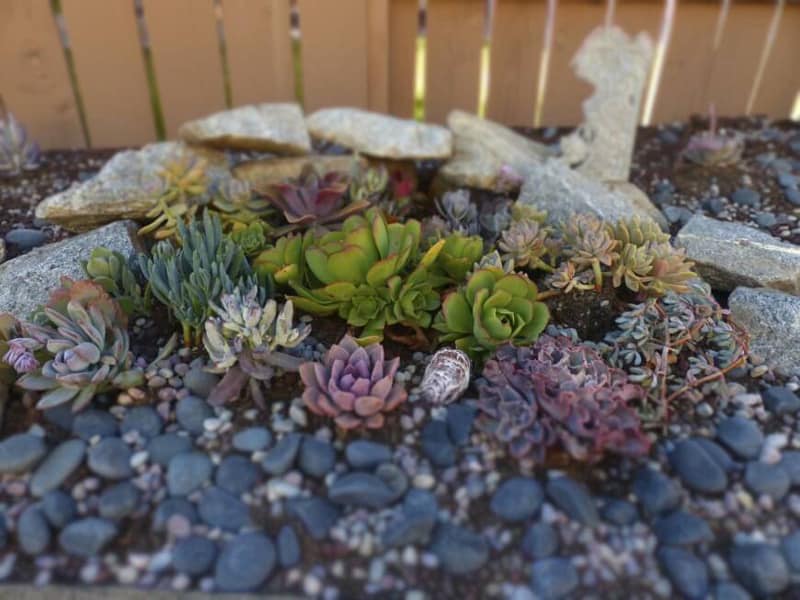
Speaking of pathways, note how path and garden cleverly merge in the image below. Don’t be afraid to have fun with your rock garden layout, letting elements of your creativity shine through.
Many kinds of rocks can absorb a great deal of heat. They also reflect a significant amount of heat from their exposed surfaces. The heat reflecting off of the rocks makes the area warm during the day, and the heat absorbed is released at night, making the area also warmer at night. If you are not looking to make your area hotter all around a rock garden may not be for you.

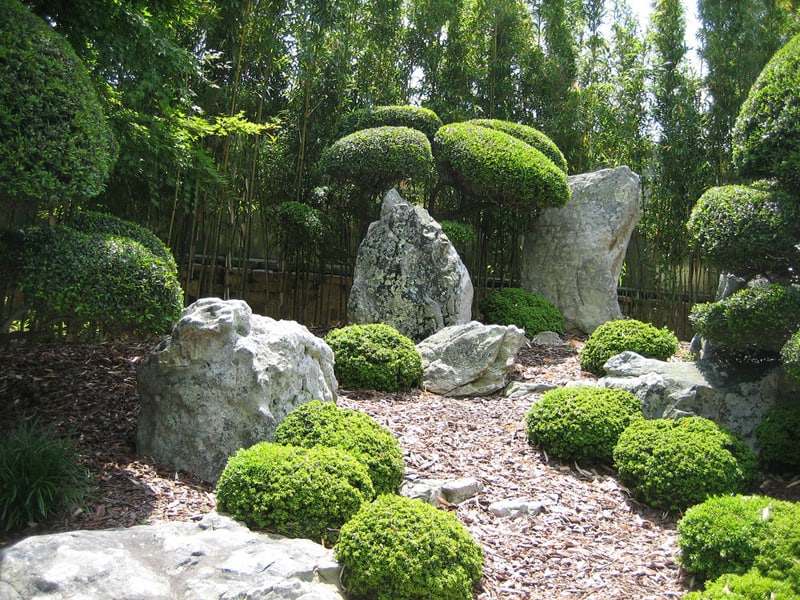

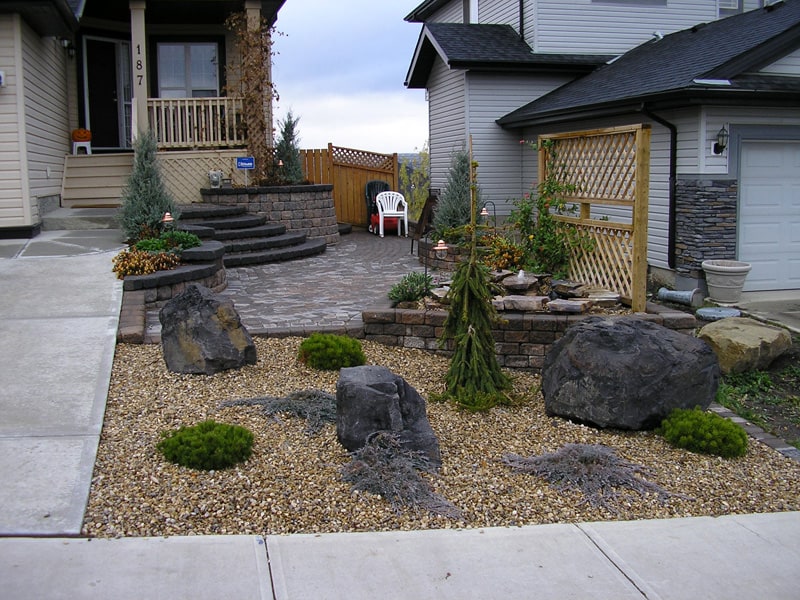

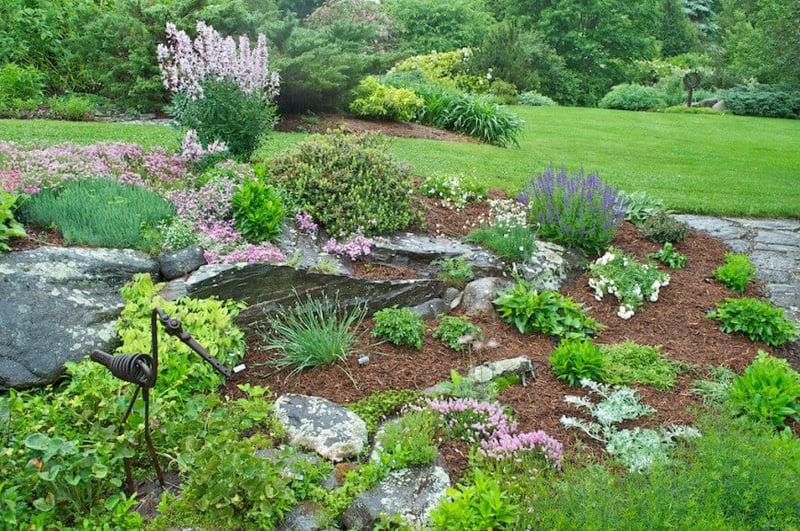
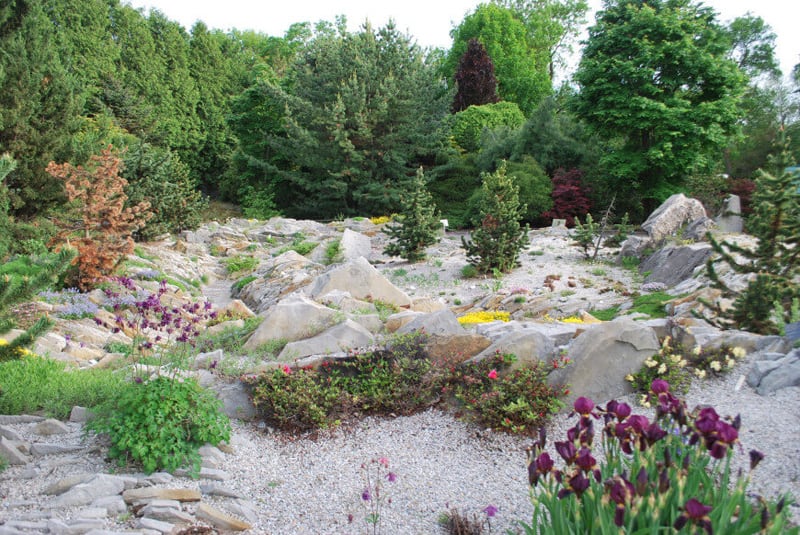
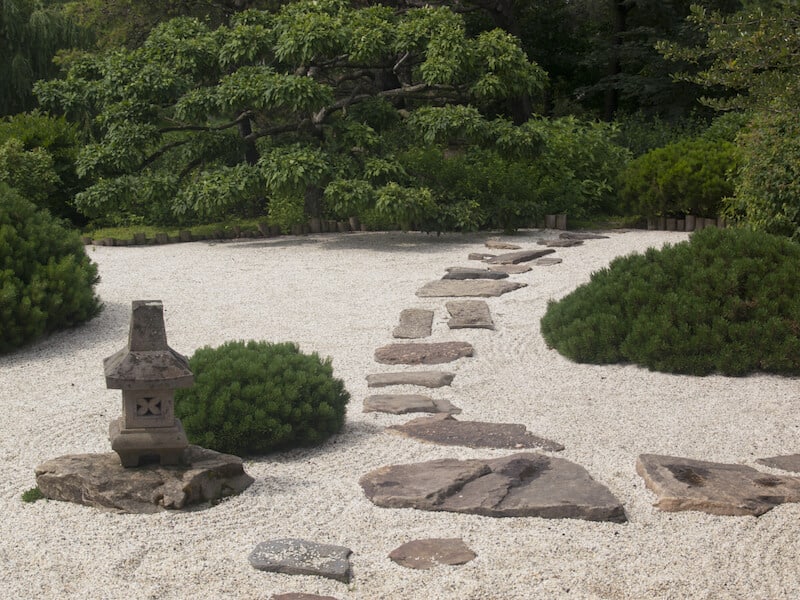

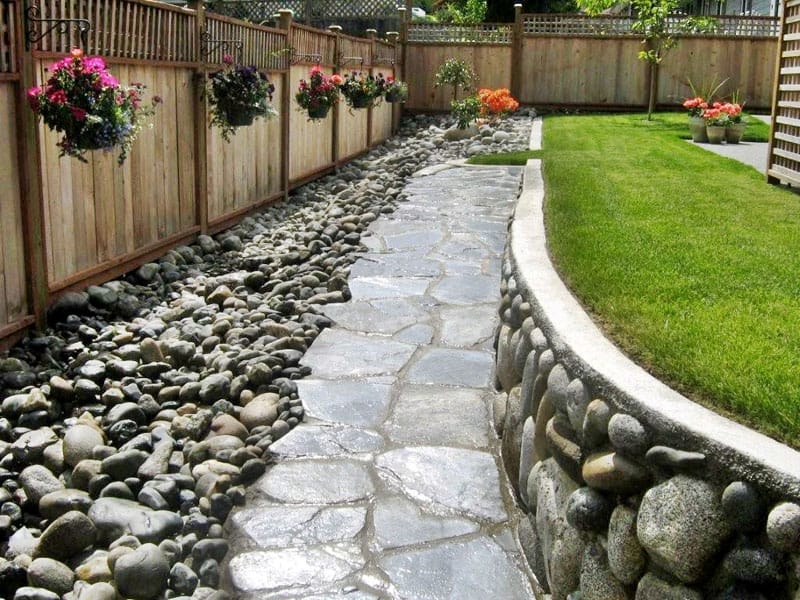
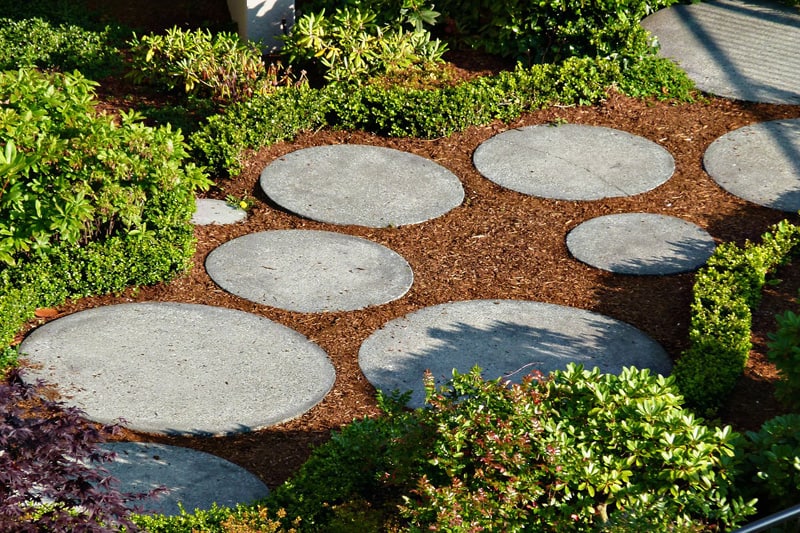
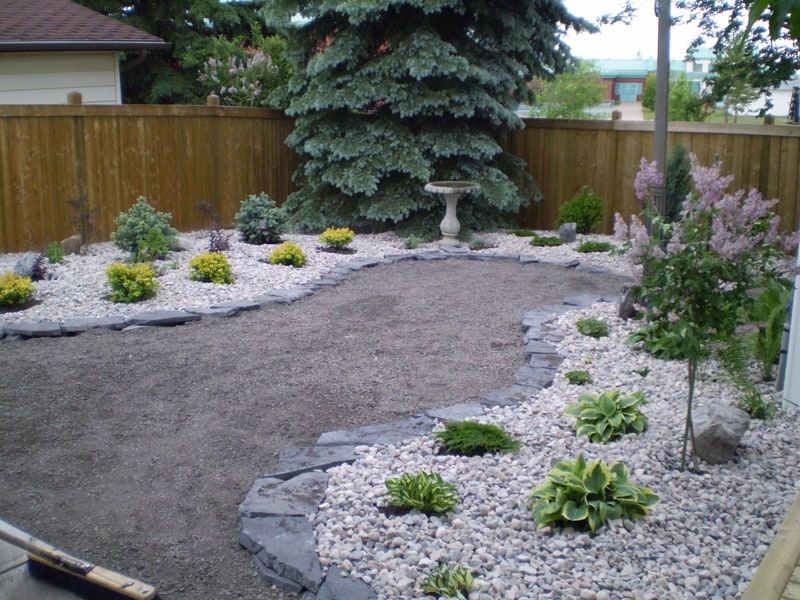
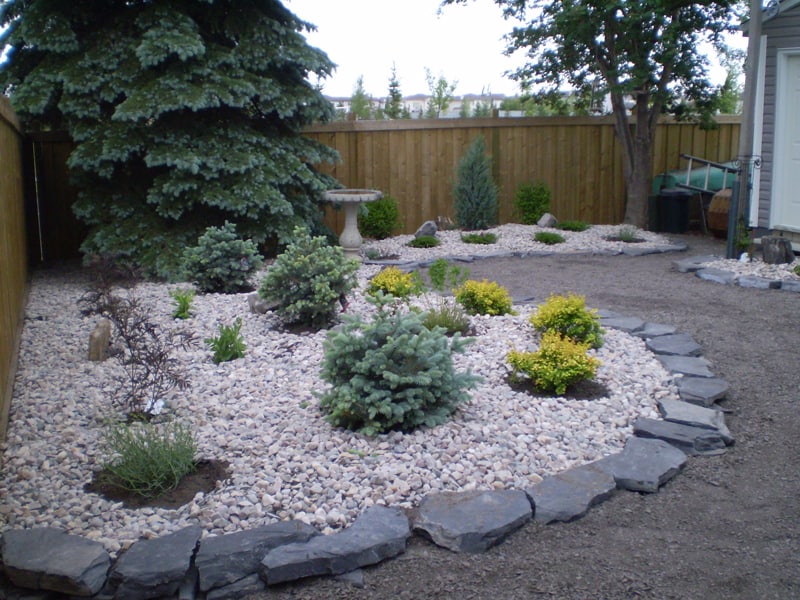
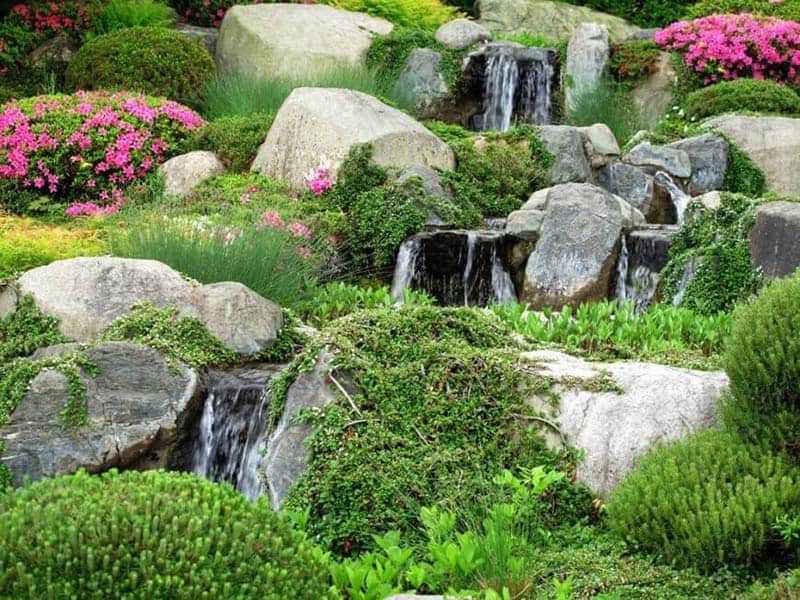


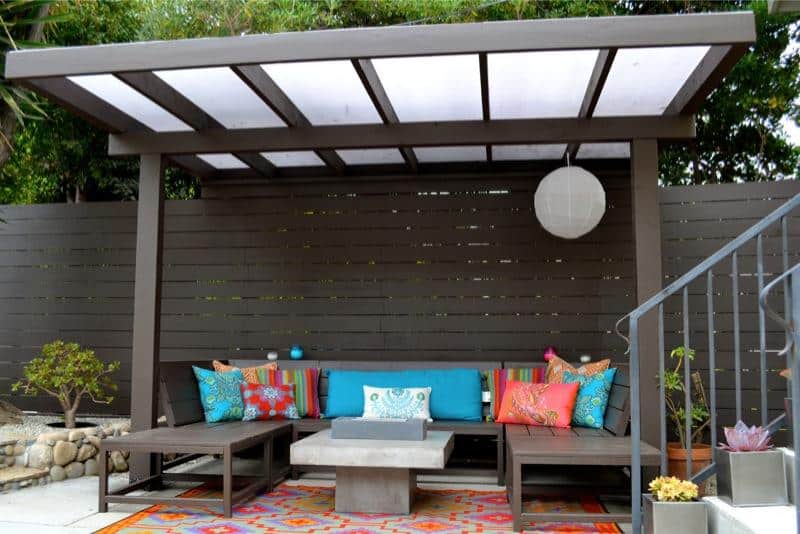
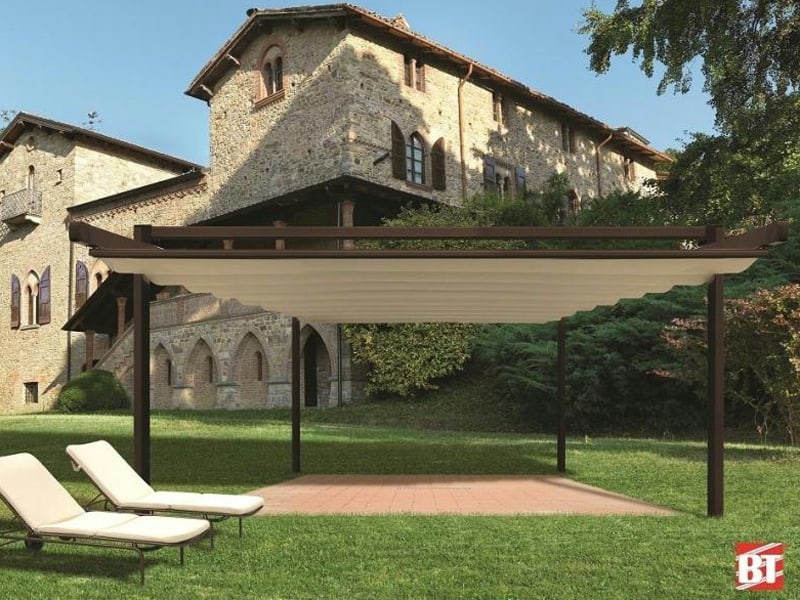
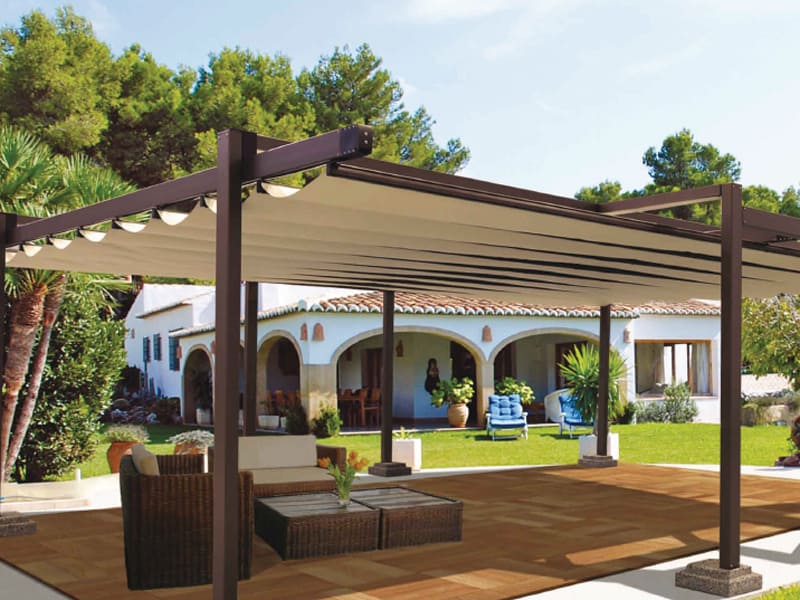
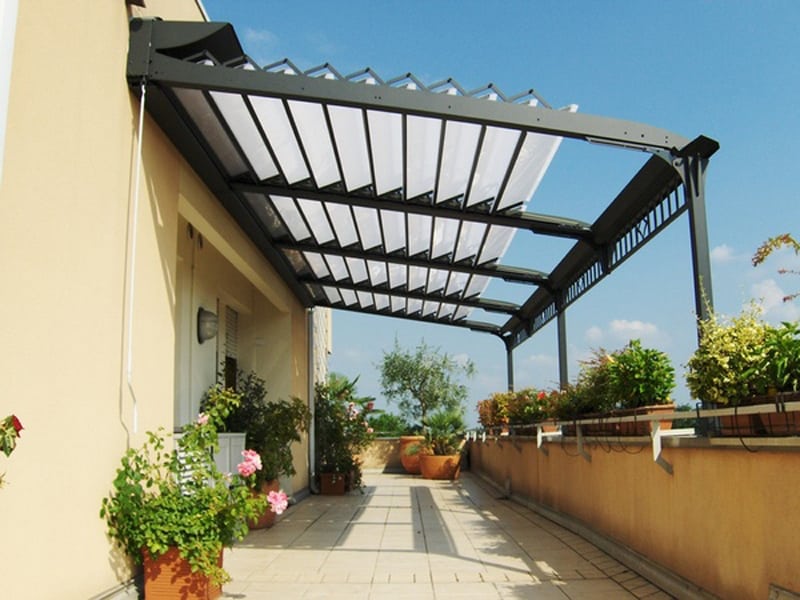
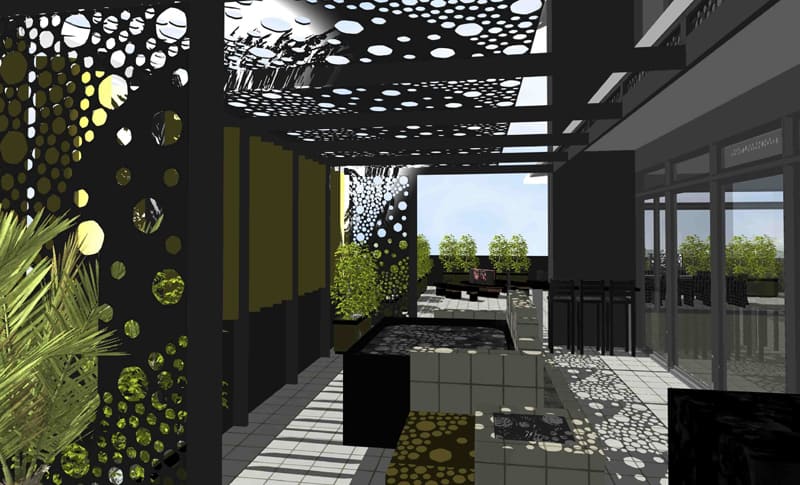
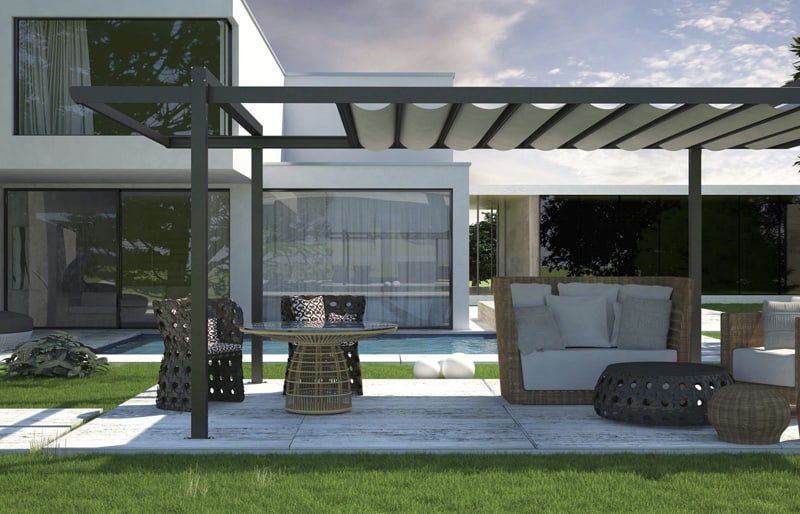
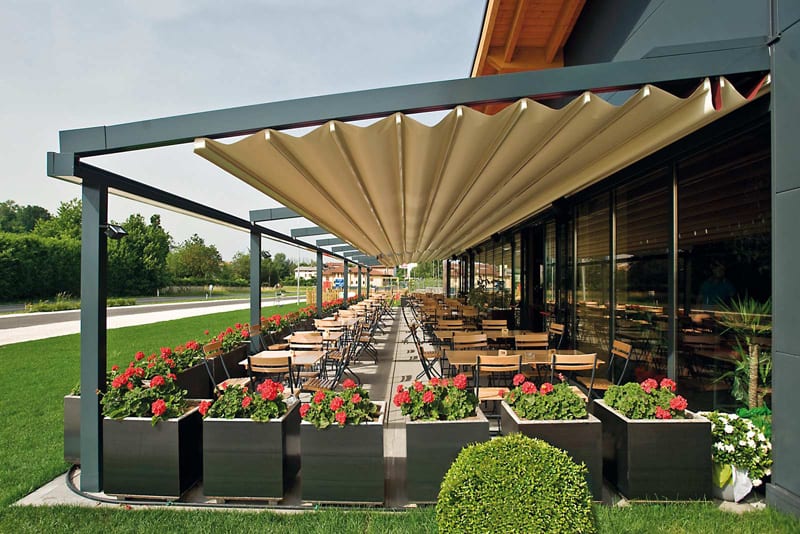
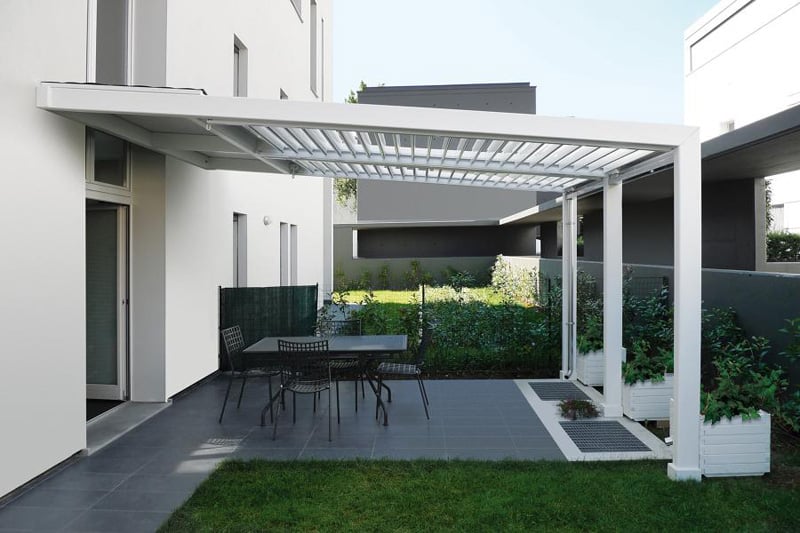
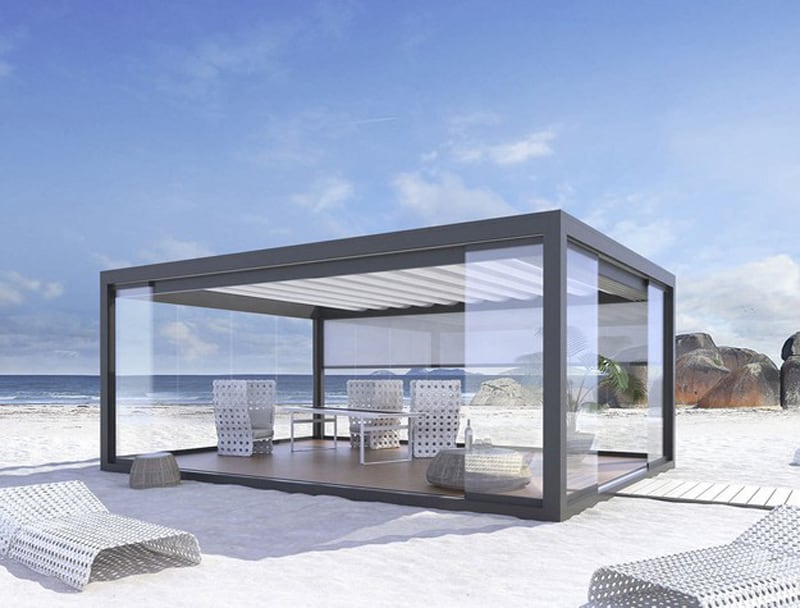
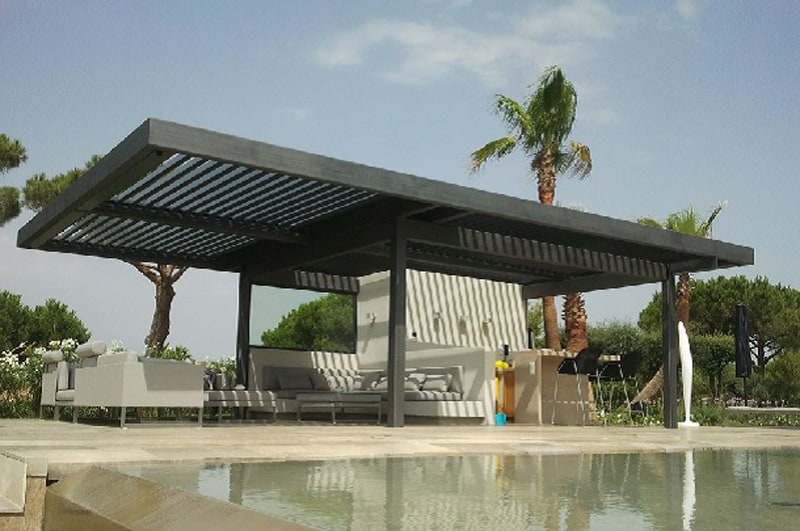
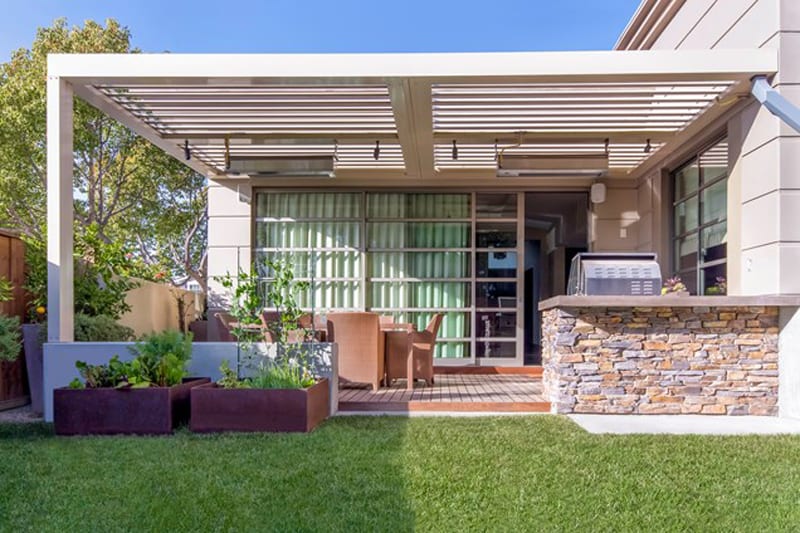
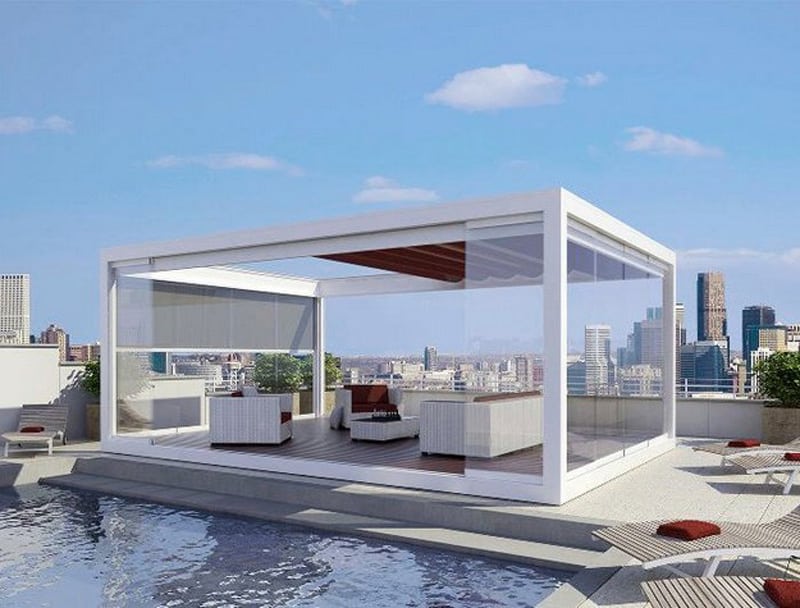
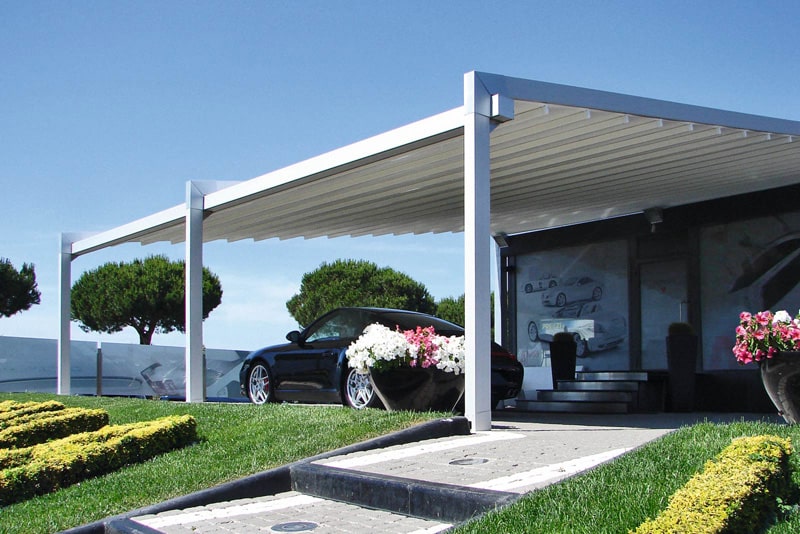
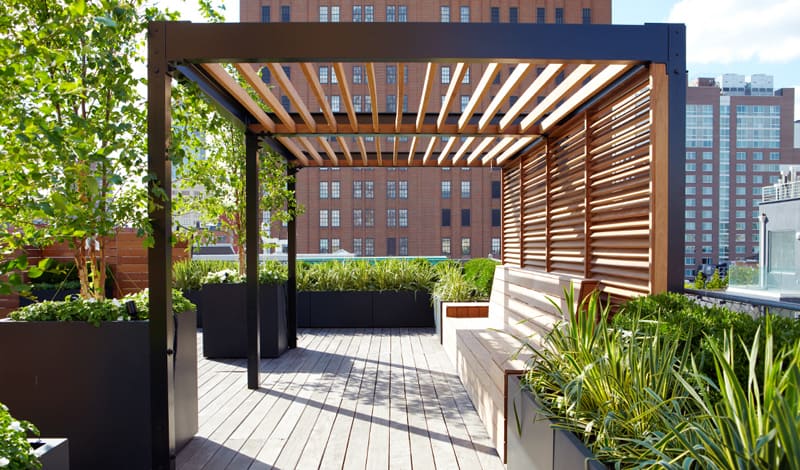
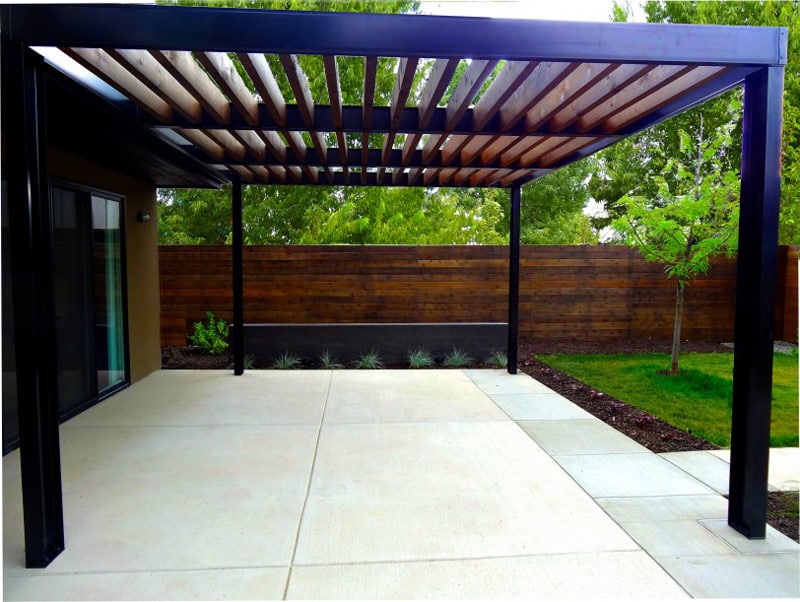
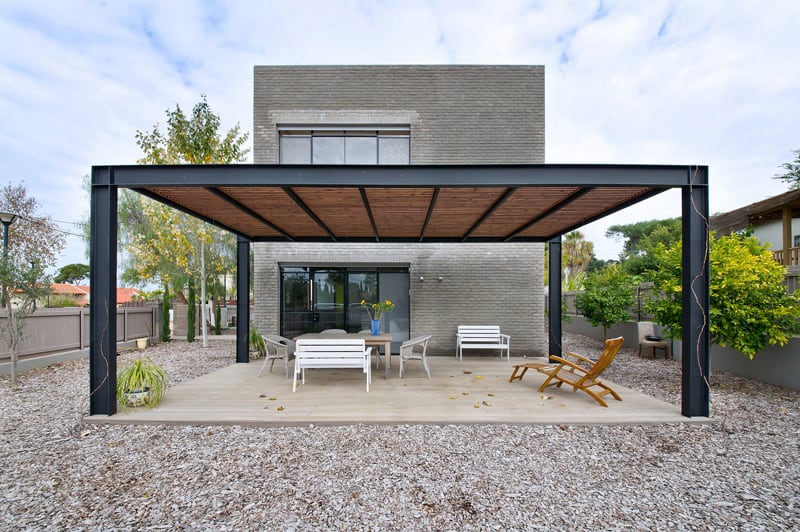
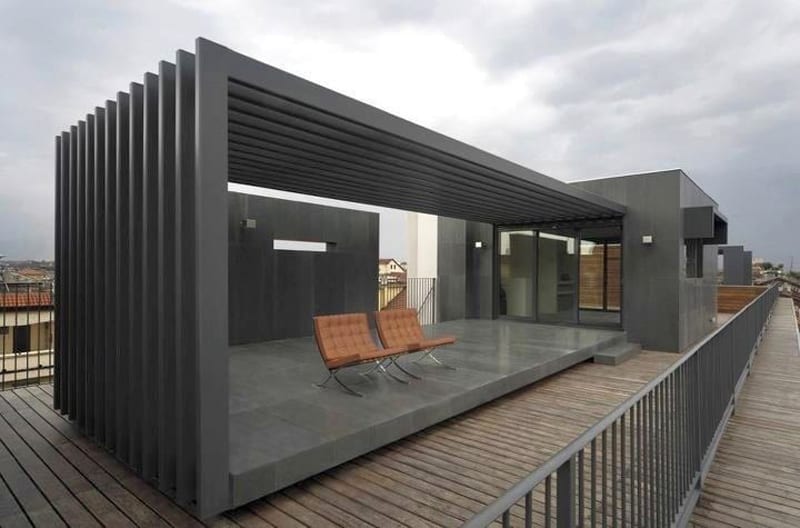
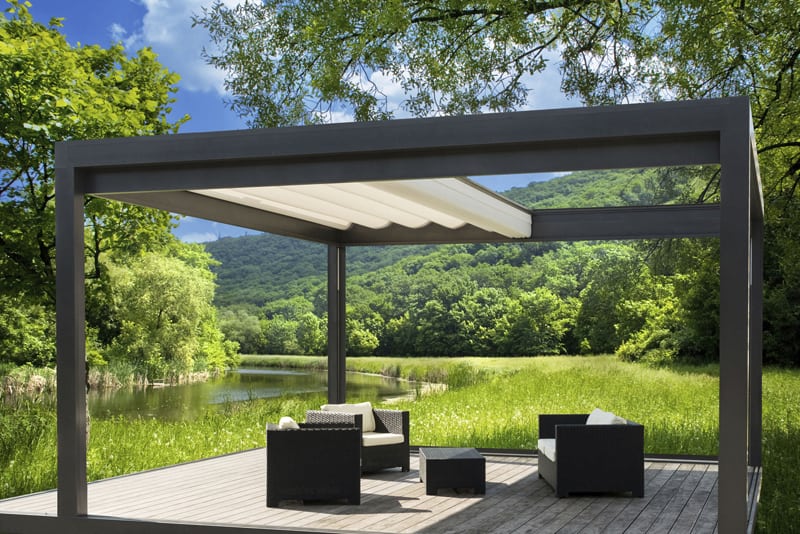
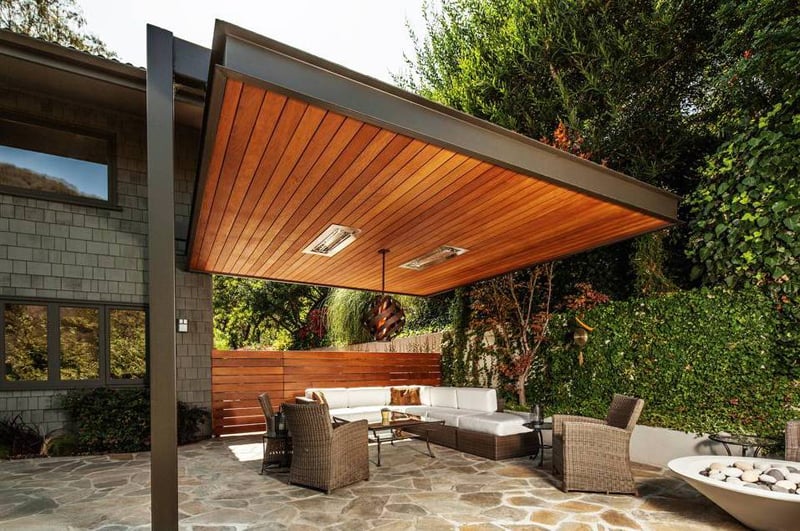
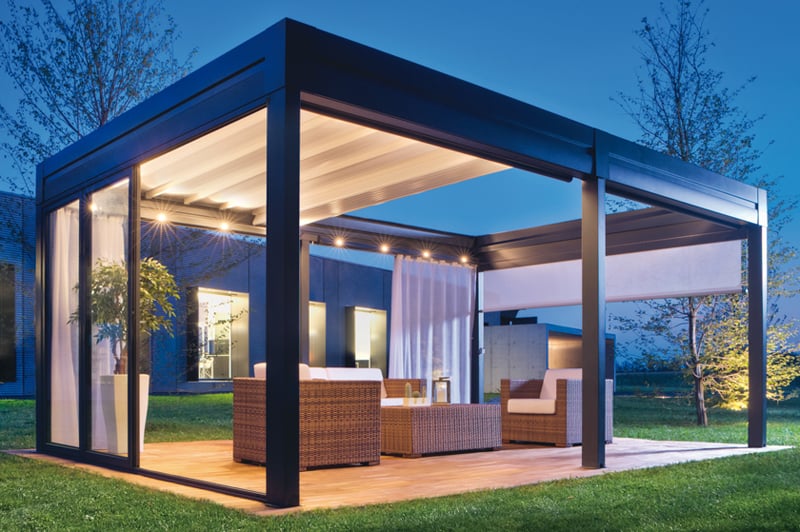
A pergola is an ideal for creating beautiful environments in your garden and terrace. Pergolas are usually custom-built and made of wood, but aluminum and vinyl pergolas are growing in popularity because they last a long time and need almost no maintenance to continue looking good. Since aluminum and vinyl require special tools and techniques to work with, these materials are most commonly available as pre-manufactured kits. Add beauty and shade without the maintenance of wood with an Aluminum Pergola. Aluminum pergola is the right choice to be applied in a place that experiences the changing climates very often. Aluminum is a lightweight material and arguably cheap. Besides, this is also stainless. This material is suitable to be applied at home with a variety of themes even if you apply a modern theme in your home. Basically, garden will always fit combined with any theme. This also applies for the pergola. Therefore in this article we will show some examples of pergola that use aluminum as the primary material. Enjoy our beautiful collection of 20 Aluminum Pergola Design Ideas. Check this out.
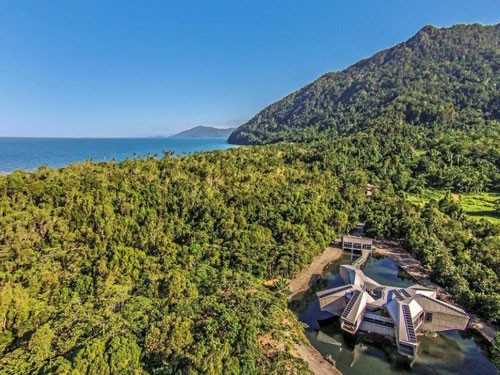
The Millenium Falcon-esque ALKIRA home in Queensland is a beautiful $15 million place to be extremely happy with your lonesome self.
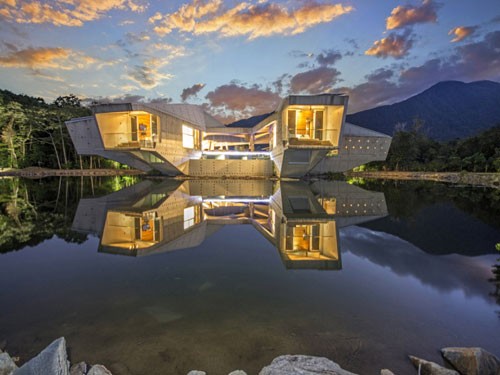
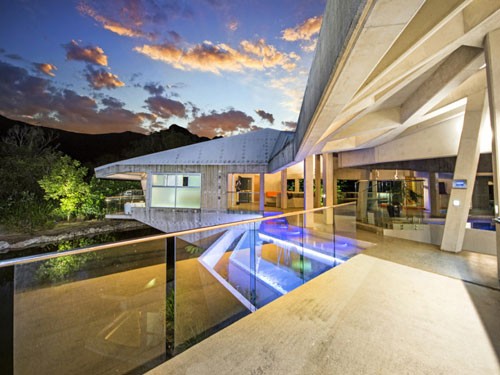
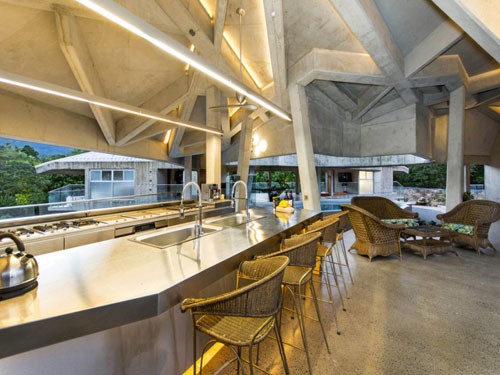
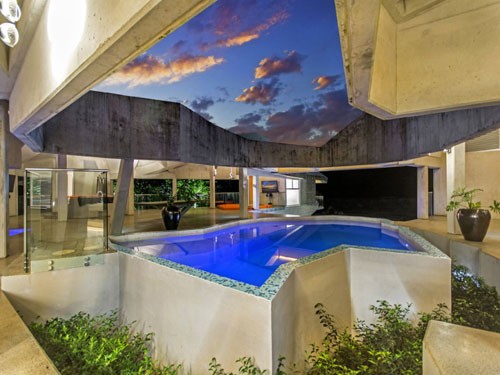

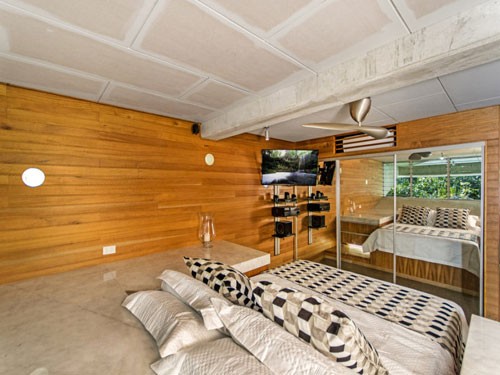
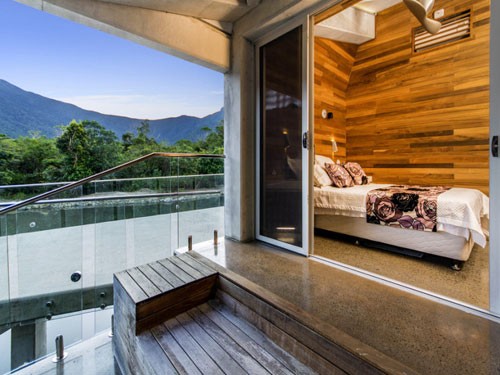

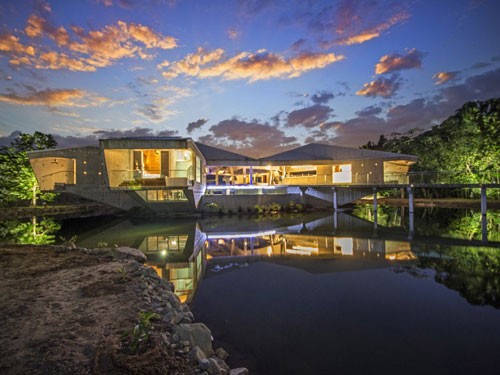


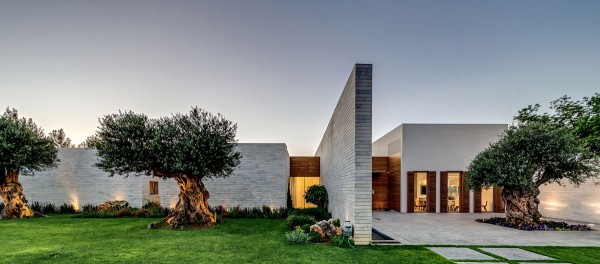
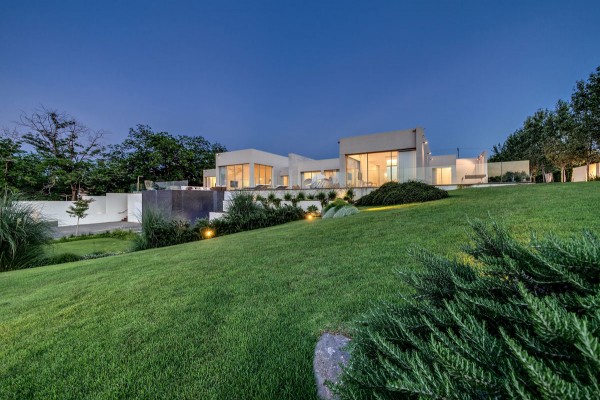
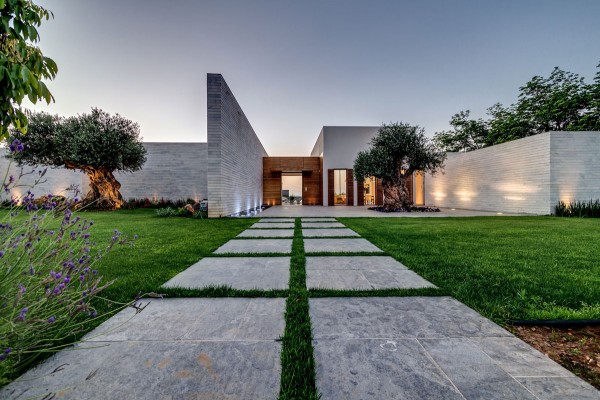
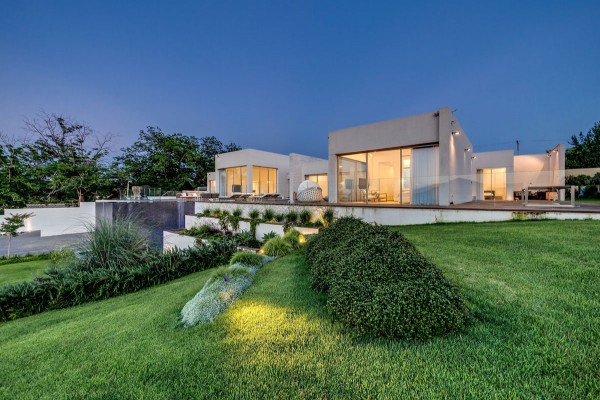
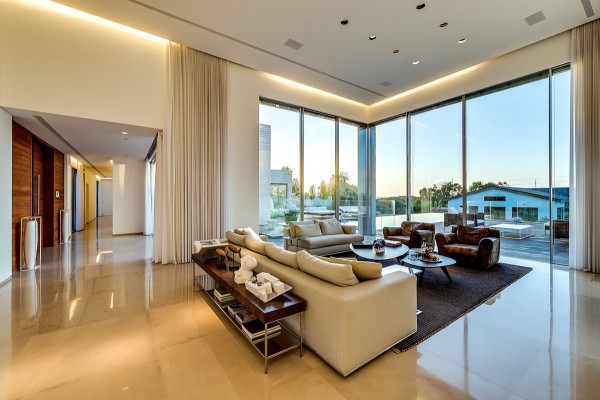
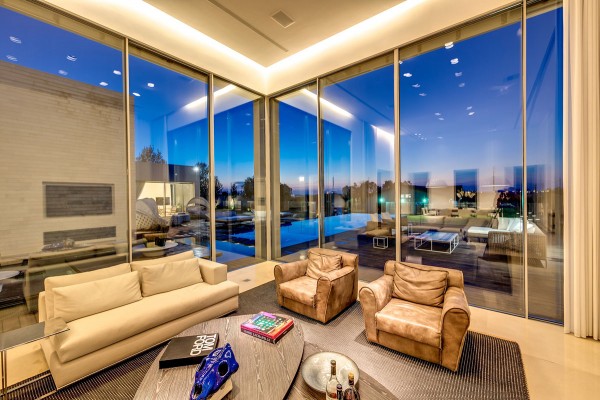
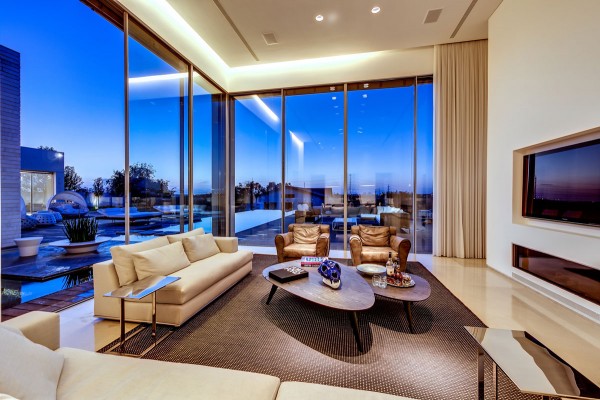
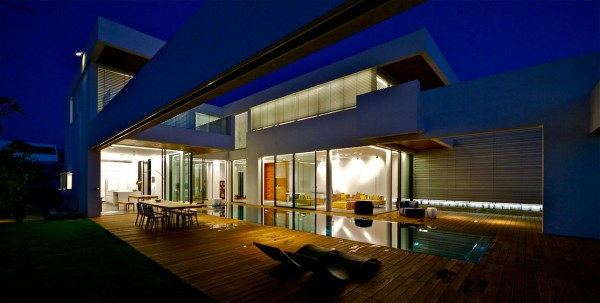
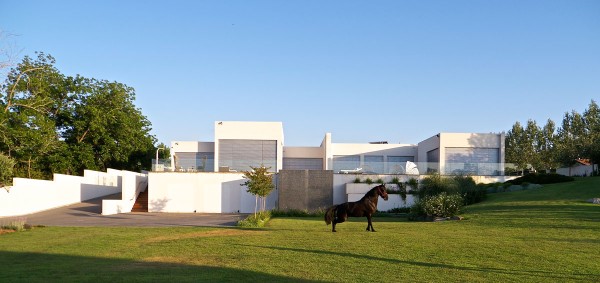
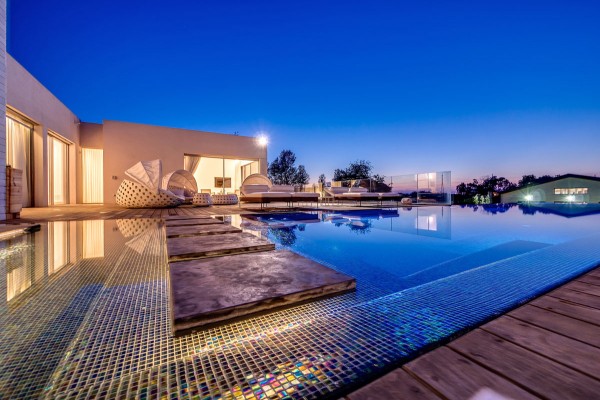
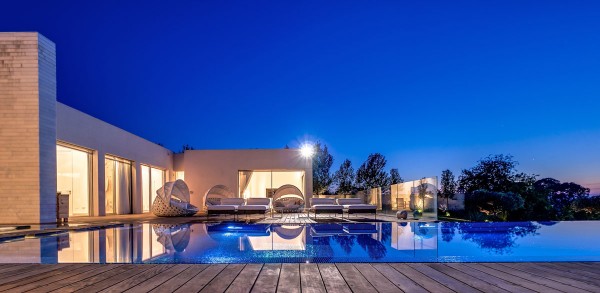
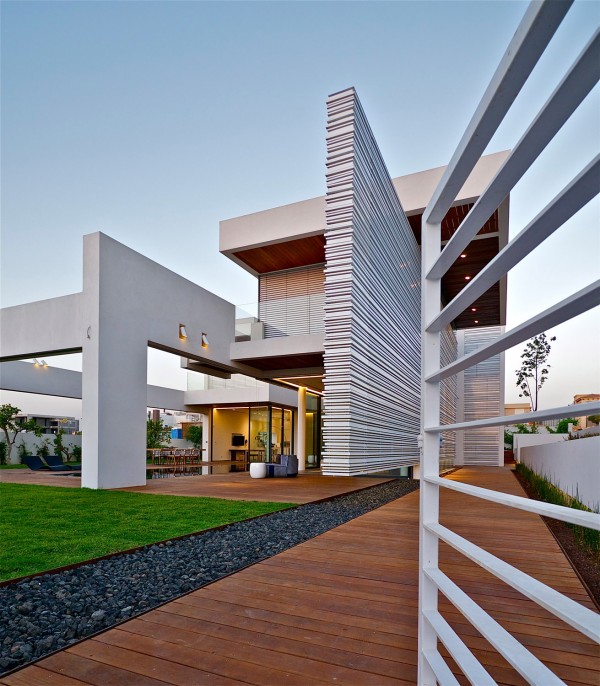
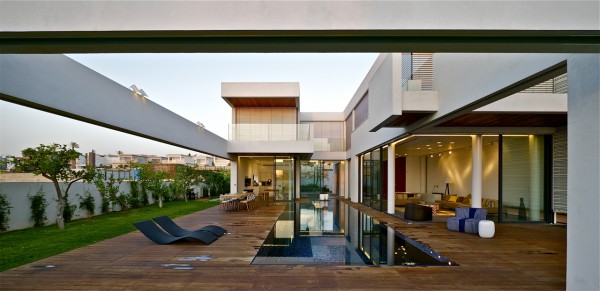
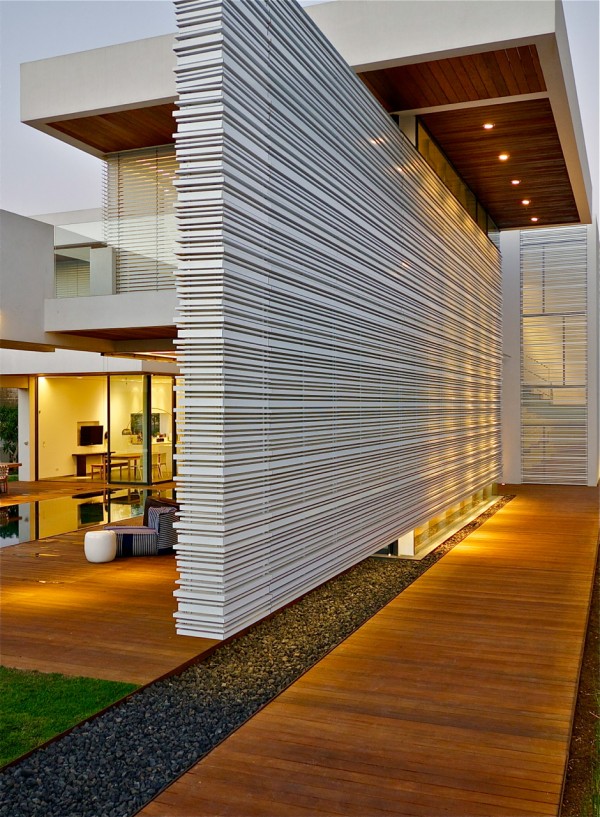
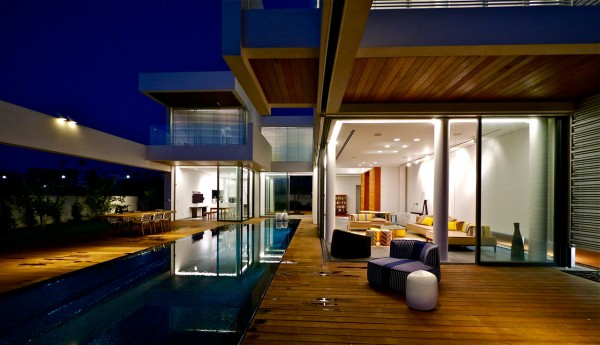
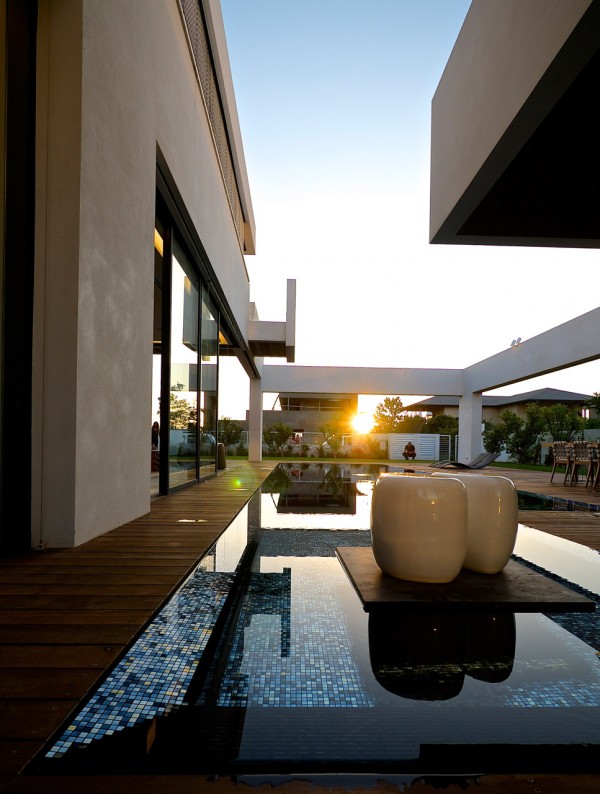
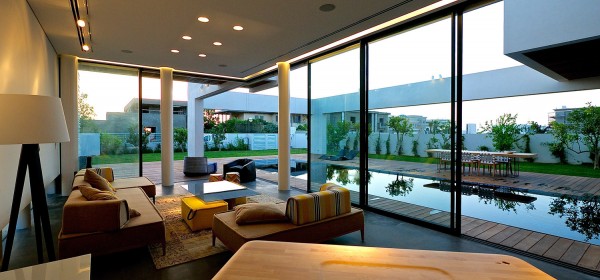
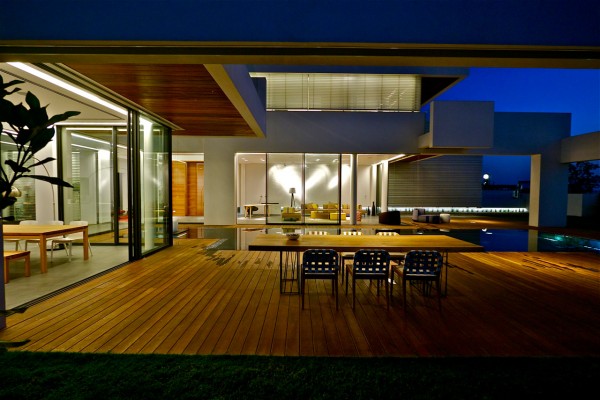
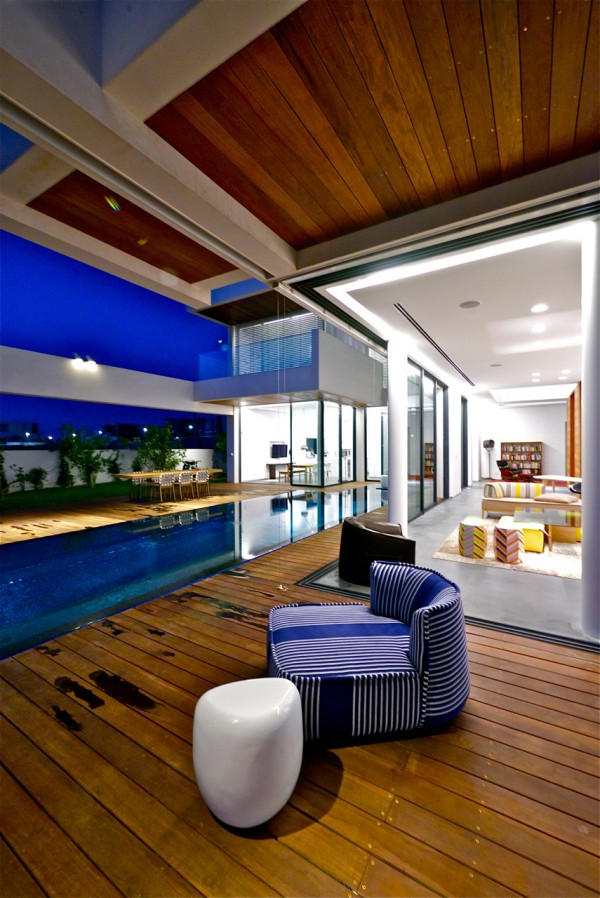
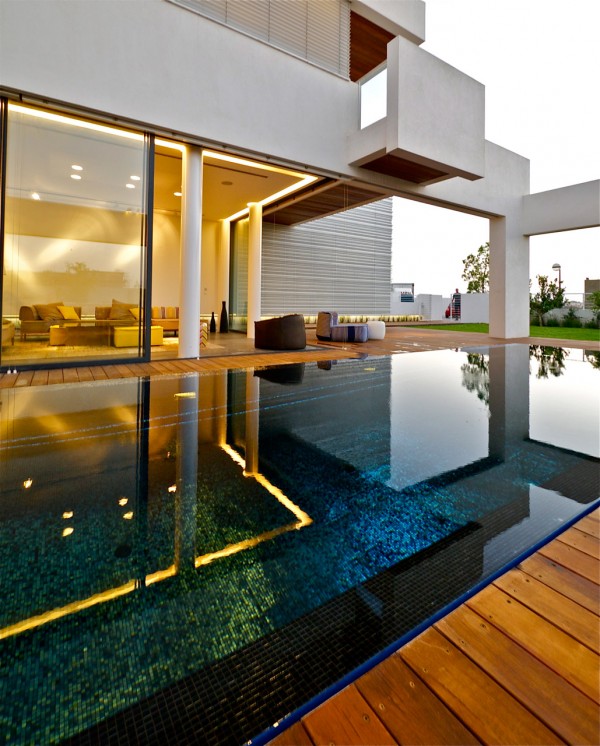
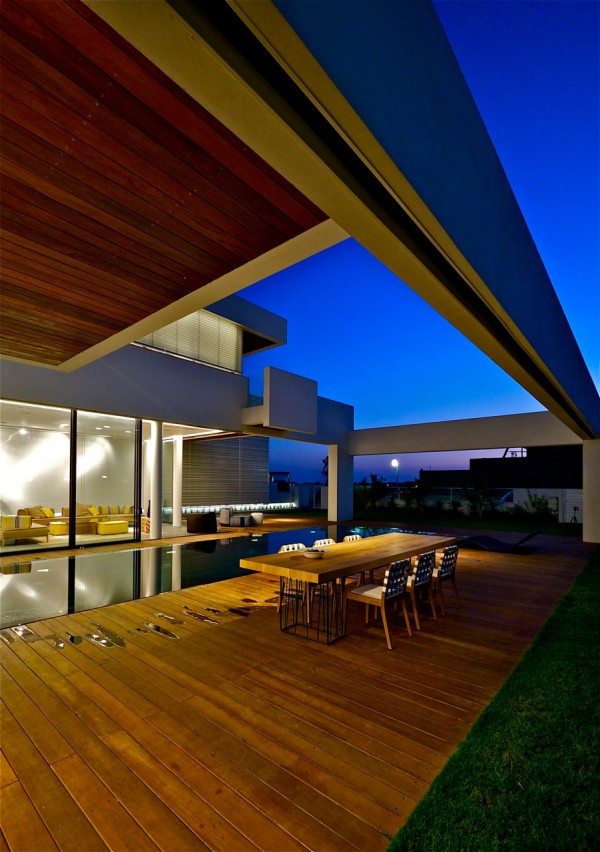
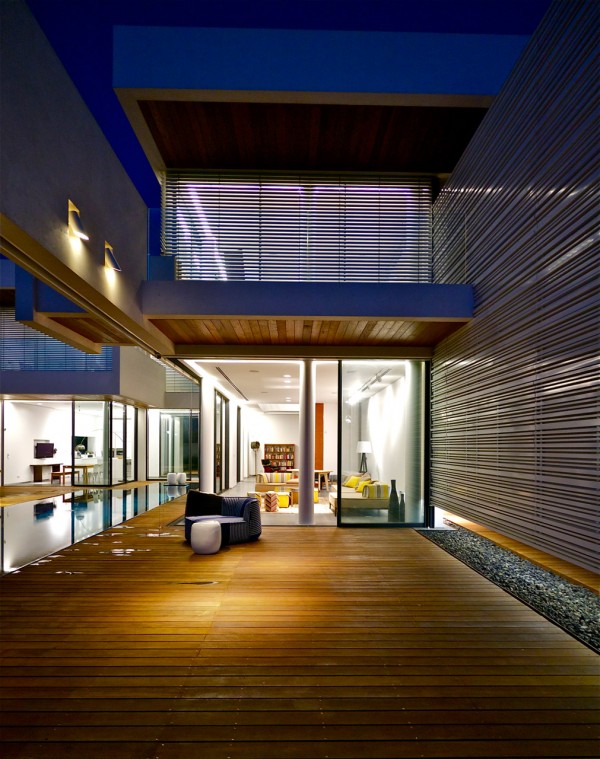
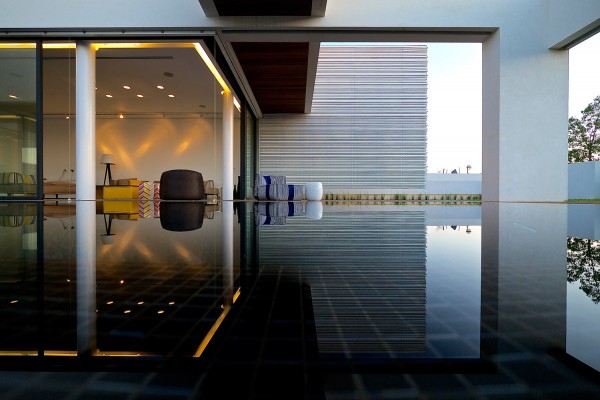
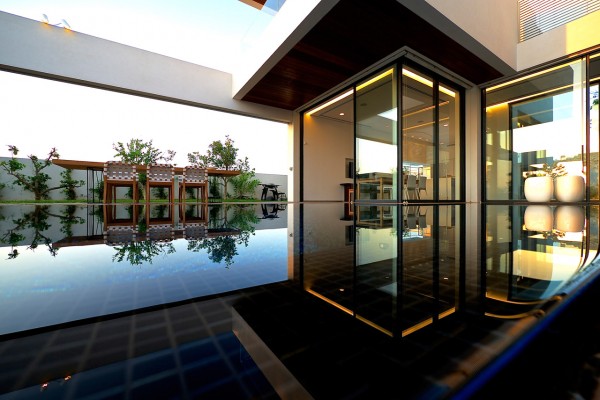
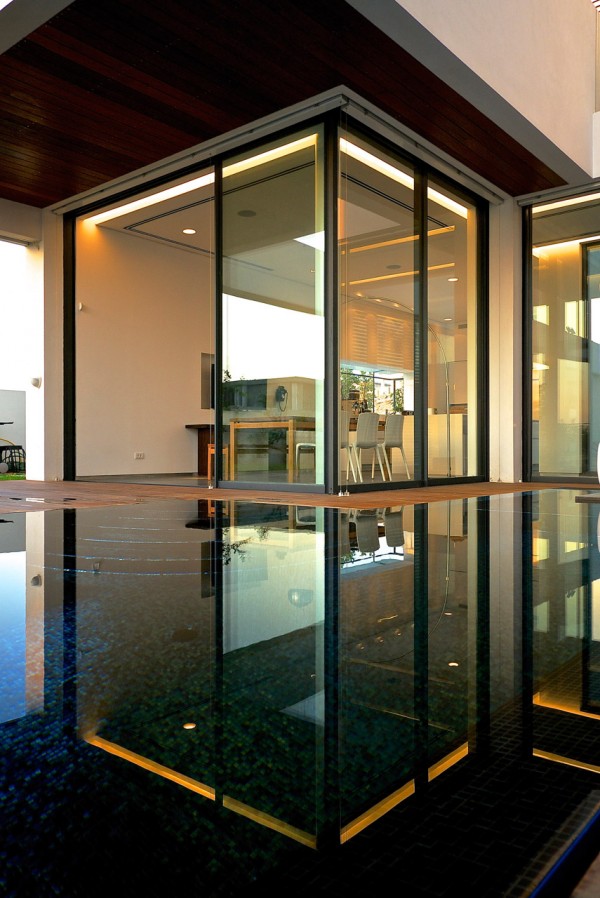
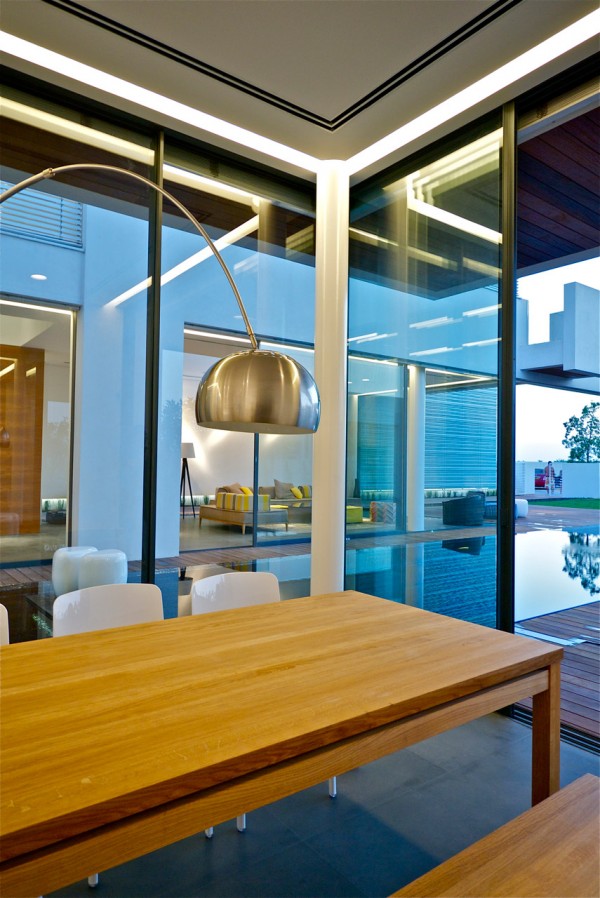
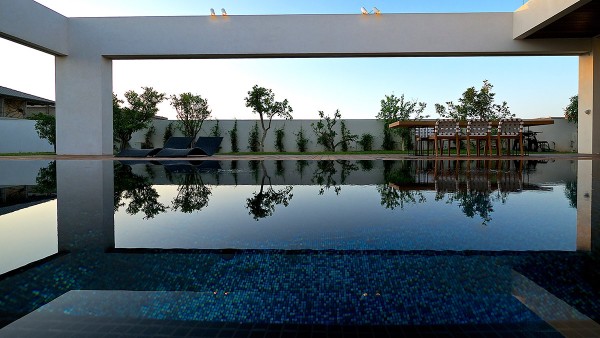
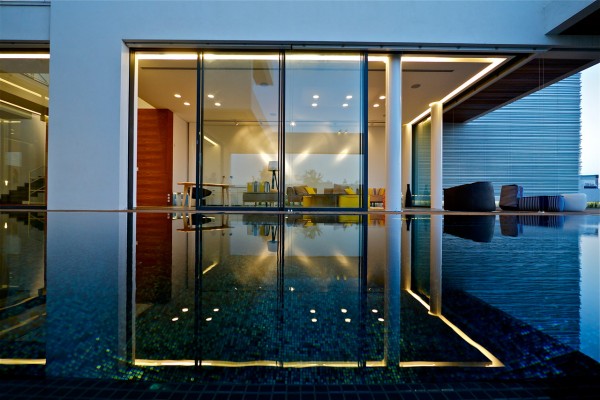
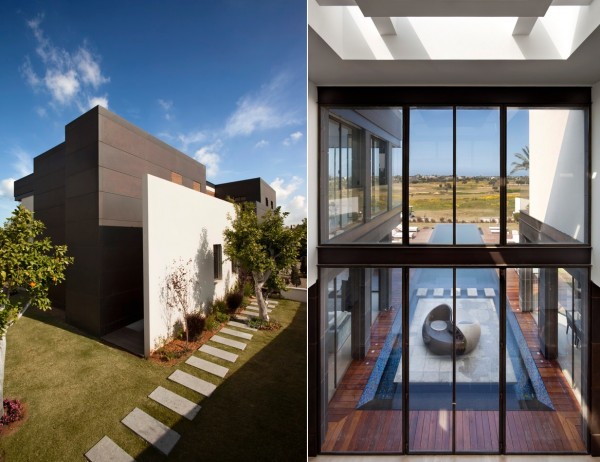
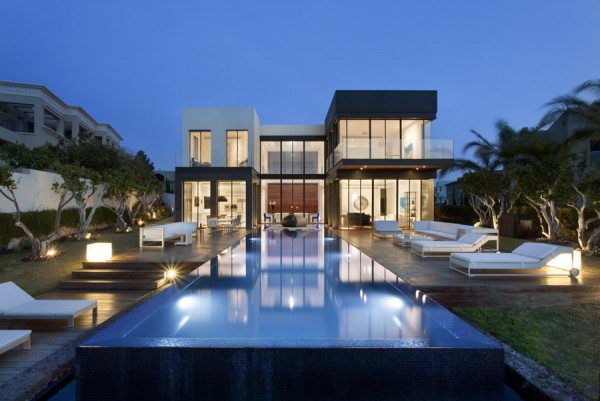
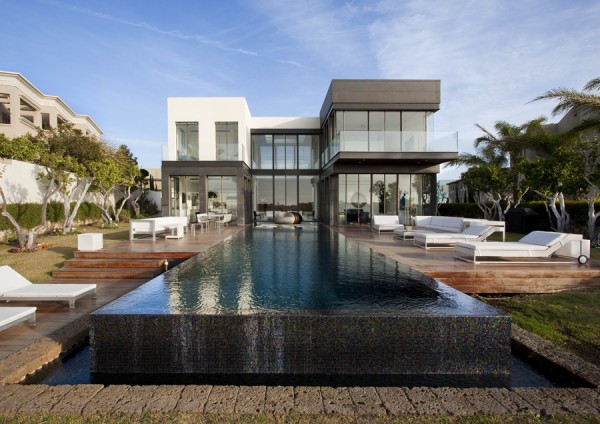
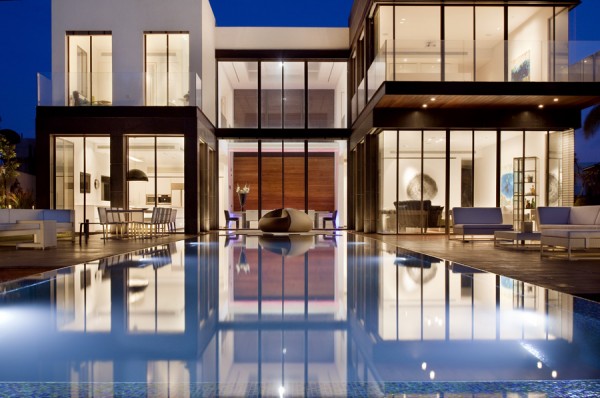
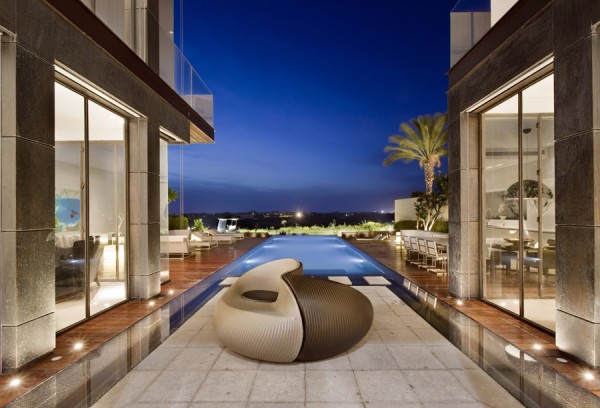
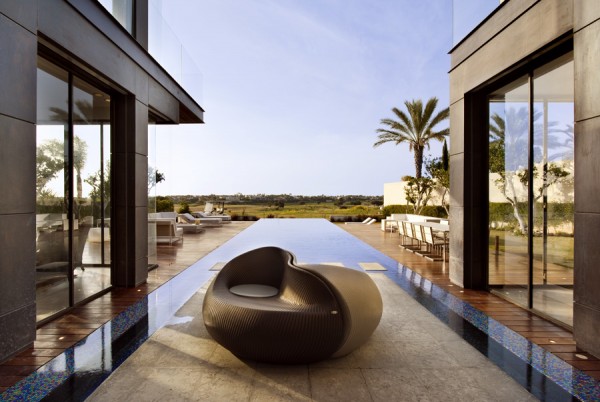
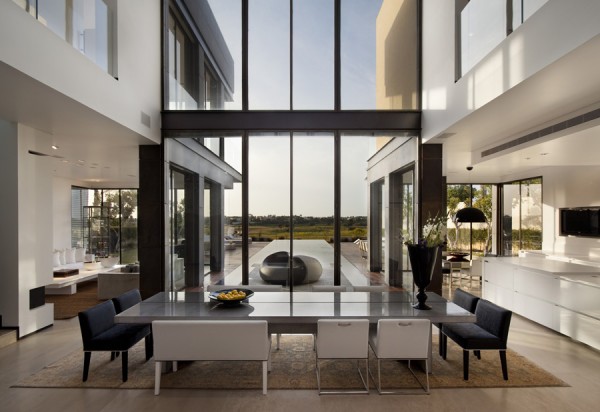
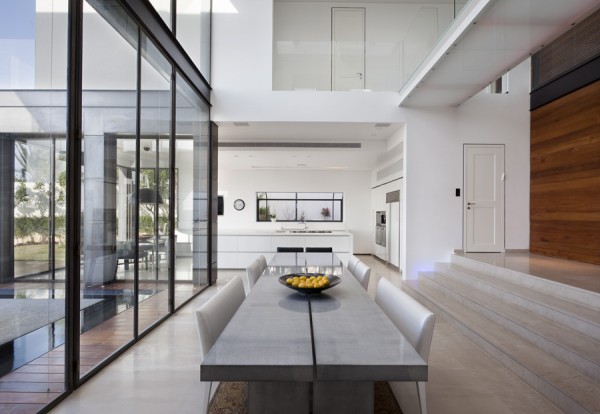
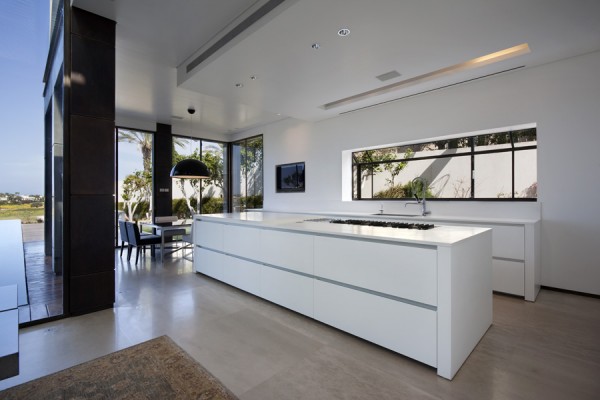
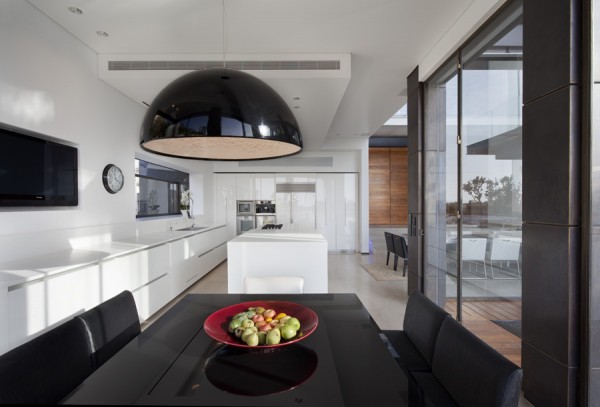
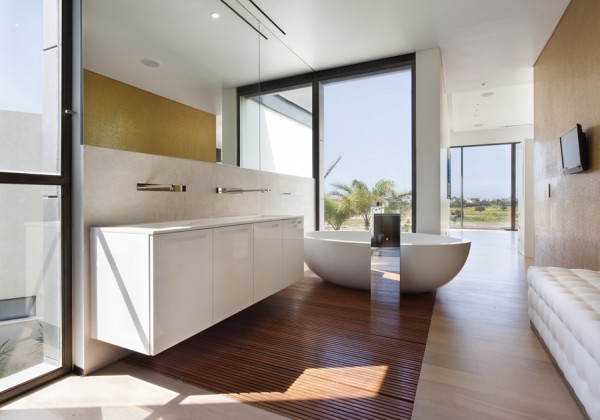
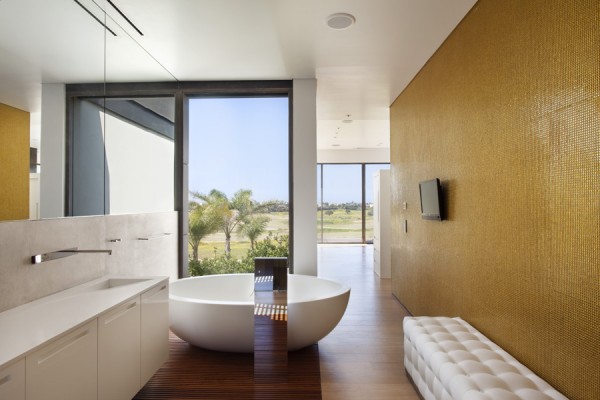
…design took into consideration the impact of the natural factors on the edifice, including wind directions, sun and natural light allowing the users to enjoy the sea breeze and natural ventilation. The interior and exterior spaces were designed as “a whole”. Minimal structure, transparent walls and long vistas to the yard and pool helped blur the borders between the inside and the outside. A multi-functional wall stretching from one side of the house to the other is seen as though it is floating. The wall is covered with aluminum profiles in various sections. These sections have an esthetic side creating breathtaking views as one is gazing to the entrance of the house. On top of that, the profiles are insulated and have a role in decreasing energy lost in the house. The materials used were basic and natural – teak wood, aluminum, glass and grey basalt floor finish.
Share it on any of the social media channels below to give us your vote.
Your feedback helps us improve.
For the last few months, 3D enthusiasts all over the globe have been nominating and voting in the 3D World CG Awards for what they believe represents the very best products, technologies and CG content of the last year. Now, the voting is over and the results are in. Here we present the winners and runners up in each category.
Technology

Winner: Redshift
Redshift was developed from the ground up to be a production-ready renderer. “Redshift was the first commercially-available product to offer out-of-core textures and geometry, and the first to offer both biased and unbiased GPU-accelerated GI algorithms. Key to this was developing a sound technological foundation that allowed us to implement features thoroughly,” says Panos Zompolas, chief technical officer at Redshift.

Winner: ZBrush 4R7
With ZBrush 4R7 Pixologic introduced innovative tools, like the new dynamic subdivision mode, the bridge to KeyShot and ZModeler. It’s tools like these that have really impressed: “ZModeler has been a game changer for a lot of artists because it enables them to focus on a model’s shape rather than accuracy of its topology,” says Thomas Roussel, marketing director and 3D specialist at Pixologic.
These features impressed judge Ken McCuen, matte painter and concept artist on feature films: “As a traditionally trained artist I have a high respect for developers who make the transition from painting/sculpting in real life to the digital medium easier. I’ve found ZBush to be excellent at providing tools to quickly create maquettes as a basis for my work.”
Winner: Golaem Crowd 4
With Golaem Crowd 4, the team wanted to make it more user-friendly and more open than previous versions. “We implemented tons of helpers, lessened the number of files to manipulate, enhanced all interfaces, and created new ways of accessing Golaem Crowd’s internal data,” says Golaem Crowd product manager, Nicolas Chaverou.
“But as we can’t help playing with technologies, we also integrated Nvidia PhysX for doing physics simulation with crowds. It is a huge step forward in terms of speed and quality, and it also enables new features like servo force (mixing animation and physics simulation together) or direct physical interaction of the crowds with Maya objects.”

Winner: Unreal Engine 4
Unreal Engine 4 is a complete suite of game development tools, but its success has been in attracting new users to those real-time tools, including filmmakers and animators.
“Epic Games made a big, bold move back in March this year that demonstrates it has its eyes looking five, 10 and 20 years ahead, by making UE4 a free platform for the likes of us [arch-viz artists] to tap into its platform and use it to tell our client’s story in new and captivating ways,” says CG Awards judge Ronen Bekerman.

Winner: Cintiq Companion 2
Wacom has leveraged 30 years of experience in pen-based tablets, patented technologies and unique manufacturing processes to bring a unique solution to us. “The Cintiq Companion is a fantastic tool that allows you to take your studio anywhere,” says Iñaki Gonzalez.
“The power CPU means there are no delays or jags while working and with so much RAM memory you can easily work on large files.”
“Our ambition is to produce innovative and inspirational products that enhance the creative workflow,” says Jeff Mandell, executive vice president branded business, Wacom. “Here we were able to develop a state-of-the-art Cintiq graphic display and integrate it into a stand-alone mobile computing device for on-the-go creativity.”
Creative Awards

Winner: Big Hero 6
Big Hero 6 is a story told in the finest traditions of Disney. Its message is reaffirming and heartfelt, and visually, it’s a stunning blend of new technology and well-honed skill.
According to producer Ron Conli, Disney strove to develop a look never seen before in an animated feature film: “We created a new rendering system called Hyperion to produce the incredible world of San Fransokyo. We developed a character-building program called Denizen to populate the streets… Our Effects Department created the ‘microbots’ and the ‘interior of the portal’. Artists and technical teams worked hand in hand to support our story.”
Winner: Le Gouffre
The goal of creators Carl Beauchemin, Thomas Chrétien and David Forest was to make a film that they loved and would catch the attention of industry professionals. And Shelley Page, CG Awards judge and head of international outreach at DreamWorks Animation believes that it has done just that.
“The story of the making of this visually exciting and emotionally uplifting film is almost as inspiring as the subject! Made by a group of graduates in Montreal and supported by crowdfunding, this story of the heroic attempt of two backpackers to build a bridge spanning an impossibly wide chasm is as compelling as it is impressive. The main characters never speak, but we are irresistibly swept along by their determination.”

Winner: Interstellar (space scenes)
Double Negative’s work on Interstellar mixes miniatures, opticals and in-camera projection FX with CG research such as the cutting-edge relativistic renderer developed to reveal the way a black hole warps the fabric of space time.
“On one hand we wanted to be absolutely faithful to the reality of space exploration, staying as true as possible to the incredible material captured by space explorers over the last six decades,” says VFX supervisor Paul Franklin. “On the other we were passionate about revealing some of the universe’s most astonishing phenomena; the reality of the cosmos is so much stranger than fiction.”
Winner: Power/Rangers
Ingenuity Studios worked with director Joseph Kahn to create this ‘bootleg’ short film. The sheer number of shots combined with the complexity of the VFX work is extraordinary. The team spent many late nights and weekends over the course of six months to create this film, and are pleased their efforts haven’t gone unnoticed: “We were quite busy with other projects during post-production on Power/Rangers which meant splitting time and a lot of late nights,” says VFX supervisor Grant Miller.
Winner: SSE Maya
The Mill took seven months to create a ground-breaking piece of work to showcase the actions of leading renewable energy company SSE. The team collaborated with adam&eveDDB and academy director Frederic Planchon to create the 90-second spot that depicts an entirely CG orangutan climbing up buildings and experiencing all that a big city has to offer, before going back to the forest to nurture its baby.
The dedication of the VFX team’s work shines through. The Mill’s Dan Moore said: “We looked through hours and hours of footage of orangutan to try and work out how they move, how they gesticulate and how they emote.”

Winner: Clip technology
Carbon3D made its debut at TED 2015 and took the 3D printing industry by storm, demonstrating speeds 25 to a hundred times faster than traditional 3D printing. In his TED talk Joseph DeSimone CEO and co-founder said, “We were inspired by the Terminator 2 scene with the T-1000, and we thought, ‘Why couldn’t the 3D printer operate in this fashion, where you have an object arise out of a puddle, in essentially real time, with essentially no waste, to make a great object?” The Carbon3D team met the challenge, and Continuous Liquid Interface Production, or rather, CLIP technology was born.

Winner: King Edward Hotel
This image has a beautiful visual narrative that really pushes the boundaries of architectural visualisation. Past, present and future are merged in a frame within a frame. The Canadian studio has been pushing the boundaries of architectural visualisation since 2000. In every single project there is a constant and honest concern about telling the right story, using the appropriate visual narrative.
“With today’s technology, it is easier to achieve a hyper realistic look in arch-viz. This doesn’t mean that the technique is not important any more, nor that the industry is reaching its end. Just like photography has not ended as a profession with the rise of point shoot cameras with great resolution,” explains Zerofractal’s Jose Uribe, adding, “It just means that people and professionals are starting to value more what is really important: the message and the story behind each visual.”

Winner: Musée Du Louvre
Ryan Groves created this three-minute animation to test his skills as a 3D artist – in fact, it’s his first attempt at animation. 3ds Max and V-Ray were the core tools used, along with Nuke Studio (non-commercial) for post-production.
He employed a variety of modelling and texturing techniques, from poly modelling and splines to V-Ray blends, mix maps and composites. The result is a beautifully crafted animation that takes you on a journey through the elegant architecture of the Louvre, showcasing several lighting scenarios.
Winner: Assassin’s Creed: Unity

This award goes to the title that delivers the very best in terms of art and production design, and Ubisoft continues to up the ante with this latest offering to the Creed series. The art direction is absolutely awe-inspiring. Set in the fictional world of revolutionary France circa 1700s, the game boasts some of the best-looking and most-atmospheric cityscapes we’ve ever seen.

Winner: The Division: Take Back New York
The Division’s story is a grand and sweeping one: a whole city dealing with tragedy, but in order to connect with people on an intimate level Blur wanted a microcosm of the larger event, and centres the action on one family dealing with the outbreak to great emotional effect.
Darren Butler, CG supervisor explains: “Initially reading the script, I got a bit of a lump in my throat thinking to myself how were we supposed to pull off 14 days of time-lapse in one single shot… but with the help of the whole team and a few new tools, we managed to pull off something that we are all extremely proud of.”
Special awards

Winner: Paul Debevec
Paul Debevec is regarded as one of the most influential visionaries and researchers in the CG scene, and it’s easy to see why. Paul is associate director in graphics research and research associate professor at the USC ICT Graphics Lab, and he and his team have a long history of innovation.
His research and algorithms have had a huge impact on computer graphics. In particular, his work on image-based lighting and HDR techniques have resonated around the CG and VFX world, and the ‘Light Stages’ he created are still widely used today.

Winner: Siggraph 2014: Vancouver
Moving the venue to Vancouver proved a talking point; smaller but beautiful, the Vancouver Convention Centre was a perfect venue.
Dave Shreiner, chair of Siggraph 2014, said Vancouver was, “the perfect city for a conference aimed at creating new experiences that impact on the senses. Technology, the way humans and computers interact, is rapidly growing and Siggraph is at the heart of that evolution.”
Whether you’re a busy art director or an illustrator working from home, every creative needs some downtime. And there’s no better way to both relax and be inspired than jetting off somewhere you’ve never been before.
Whenever we travel to far-flung places, we’re attracted to the famous buildings. Much like a photograph, architectural designs record details of specific moments in time. But unlike an photograph, physical structures go on to have a life of their own, becoming a central and functional part of countless people’s lives for hundreds, if not thousands, of years after they were built.
Here we have picked 25 of the most famous building designs from around the world to inspire you.

A masterpiece of Islamic architecture, the Dome of the Rock is a 7th century building, located in Jerusalem. Built by Caliph Abd al-Malik between 687 and 691, the octagonal plan and the rotunda dome of wood are of Byzantine design. The Persian tiles on the exterior and the marble slabs that decorate the interior were added by Suleiman I in 1561.
The oldest extant Islamic monument, the Dome of the Rock has served as a model for architecture and other artistic endeavors for over a millennium.

Nested among the urban streets of Barcelona are some unusual and beautiful buildings by infamous architect Antoni Gaudi. His unique approach to the Art Nouveau movement generated some of the most creative buildings the world have ever seen. And La Pedrera is no exception.
One of the most imaginative houses in the history of architecture, this is more sculpture than building. The façade is a varied and harmonious mass of undulating stone that, along with its forged iron balconies, explores the irregularities of the natural world. The United Nations Educational, Scientific and Cultural Organization (UNESCO) recognised this building as World Heritage in 1984.

The latest addition to New York’s skyline, the One World Trade Center, is the tallest skyscraper in the Western Hemisphere. Construction began in April 2006 and the final component of the building’s spire installed five years later in 2013, making it the fourth tallest skyscraper in the world.
The One World Trade Center’s design is no coincidence, standing at a symbolic height of 1,776 feet (541m) in a direct nod to the year of the US Declaration of Independence.
Designed by David M Childs of Skidmore, Owings & Merrill, the 104-story glass tower raises from a cube base before transforming from the 20th floor into eight sleek isoceles triangles. Stood adjacent to the city’s beautiful 9/11 memorial, the One World Trade Center is a shining beacon for the city.

London’s most iconic building, St Paul’s Cathedral, was designed by English architect Sir Christopher Wren. Sitting at the top of Ludgate Hill, the highest point in the City of London, its famous dome is one of the world’s largest, measuring nearly 112 metres high.
The original church on the site was founded in the year 604AD. Work on the present English Baroque church began in the 17th Century by Christopher Wren as part of a major rebuilding program after the Great Fire of London.
Wren started working on St Paul’s in 1668, his designs for the cathedral taking a decade to complete and the actual construction taking a further 40 years. St Paul’s has played an integral part of London life ever since – as a domineering element in the city’s skyline, as a centre for tourism and religious worship, and most recently as a focal point for anticapitalist protests.

Standing at 170 metres above ground, the Petronas Towers are twin skyscrapers in Kuala Lumpur, Malaysia. The buildings, which held the titled of tallest in the world between 1998-2004, are an iconic landmark of the capital city.
The distinctive postmodern style was created by architects Cesar Pelli and Achmad Murdijat, engineer Deejay Cerico and designer Dominic Saibo under the consultancy of JC Guinto.

Irish architect James Hoban was the man behind the design of the White House. In 1792 Hoban submitted a plan for the presidential mansion and subsequently got the commission to build the White House. Constructed began in 1793 through to completion in 1801. The mansion, which has been home to every US leader since the country’s second president John Adams, is made from white-painted Aquia sandstone.

The Leaning Tower of Pisa is one of the most remarkable architectural structures in Europe. Most famous for its tilt, the tower began to lean during construction after soft ground on one side was unable to properly support the structure’s weight.
Building work on the tower began in 1173 and went on for over a whopping 300 years. There has been much controversy surrounding the true identity of the architect behind the tower – the design originally attributed to artist Bonnano Pisano but studies have also implicated architect Diotisalvi.

The Kaaba, meaning cube in Arabic, is a square building located in Mecca, Saudi Arabia. A most scared place in Islam, the Kabba is elegantly draped in a silk and cotton veil. Every year millions of Muslims travel to the Kabba for the hajj, an annual Islamic pilgrimage to Mecca.
The small square building is about 60 feet high and it’s walls a metre wide, with it’s total size occupying roughly 627 square feet.

Also referred to as the shard of glass, The Shard is an 87-storey skyscraper, which sits in the heart of London. Construction began in 2009 and was completed three years later in 2012, making it Western Europe’s tallest building.
Designed by architect Renzo Piano, The Shard is the second tallest free standing structure in the UK. It’s exterior boasts 11,000 glass panels – that’s equivalent in area to eight football pitches or two-and-a-half Trafalgar Squares.
The building was developed to have multiple uses, described on the website as a ‘vertical city where people can live, work and relax’. This motto was clearly taken on board by a fox, nicknamed Romeo, that was found on the 72nd floor towards the end of construction.

No, we haven’t included a piece of Disneyland architecture on our list. This garish, candy coloured cathedral is in fact Moscow’s most visited tourist attraction. The famous landmark, shaped to resemble the flame of a bonfire rising into the sky, is located just outside the Kremlin gates and marks the geometric centre of the city.
Built between 1554 and 1560, the cathedral was erected during the reign of Ivan IV (Ivan the Terrible). Little is known about the building’s architect Postnik Yakovlev, but he was clearly a fan of onion domes, sharp spikes and polygonal towers.

We couldn’t put together a list of world-famous buildings without including this grand Art Deco skyscraper. Once the tallest building in the world, construction began on the Empire State building on St Patrick’s Day 1930 and was completed just 410 days later.
The building was designed by William F Lamb of architectural firm Shreve, Lamb and Harmon. It was declared by the American Society of Civil Engineers to be one of the Seven Wonders of the Modern World and is known around the world as an icon of New York City.

This futuristic building looks like it belongs in a sci-fi movie rather than Lime Street in London. The award-winning Lloyds building (also known as the Inside-Out building) is an iconic architectural landmark and one of the most recognisable constructions on the London skyline.
Architect Richard Rogers was the brains behind the innovative design, which has its services – including water pipes and staircases – on the outside. Built between 1978 and 1986, the building also features 12 exterior lifts, which were the first of their kind in the UK.

This elliptical amphitheatre in the centre of Rome is considered as one of the greatest architectural feats achieved by the Ancient Romans. The stadium was capable of seating 50,000 spectators and used mainly for gladiatorial games.
Built from concrete and stone, construction began on the Colosseum began around 72AD and finished in 80AD. The design and shape of the Colosseum has been the inspiration for many modern day stadiums. Today it is one of Rome’s most popular tourist attractions, attracting thousands of visitors each year.

Recognised as ‘the jewel of Muslim art in India’, the Taj Mahal was built by Mughal Emperor Shah Jahan. Often mistaken as a palace, this famous landmark was actually built as a tomb for the Emperor’s wife after she died giving birth to their 14th child.
The Taj Mahal is regarded as one of the finest examples of Mughal architecture – an amalgamation of Persian, Turkish and Indian styles. Construction on the mausoleum began in 1632 and was completed in 1648. The surrounding buildings and gardens took a further five years to finish.

In the early part of the 20th Century, people everywhere were in a race to build the tallest building. At the time, this gorgeous Art Deco skyscraper was almost outdone by the Bank of Manhattan but its spire (which was constructed in secret) enabled it to take the title of ‘tallest building in the world’ in 1930.
It didn’t last long though. Just a year later the Empire State Building was erected. Designed by architect William Van Alen, the skyscraper was commissioned by car manufacturer Walter P Chrysler, hence its name.

Sydney Opera House is widely regarded as one of the greatest architectural works of the 20th century. The innovative design came from architect Jørn Utzon, who was relatively unknown until January 29, 1957 when his entry to the ‘International competition for a national opera house at Bennelong Point, Sydney’ was announced the winner.
The beautiful building comprises of three groups of interlocking shells, which roof two main performance halls and a restaurant. A masterpiece of modern architecture, the opera house has become an iconic symbol of both Sydney and the Australian nation.

The futuristic Space Needle in Seattle, Washington was built for the 1962 World’s fair. The famous landmark stands at 184m high and 42m wide at its widest point.
The design was a collaborative effort between architects Edward E Carlson and John Graham. Not only is the architecture a marvel to look at but the building’s impressive design can survive wind velocities of 200mph and can escape serious structural damage during earthquakes of up to 9.1 magnitudes.

Once a church, later a mosque, and now a museum, Hagia Sophia is a architectural masterpiece. A perfect example of Byzantine architecture, Hagia Sophia is located in Instanbul, Turkey.
The building was built for the first time by the emperor Constantine the Great (306-337). However, due to many factors, including being burned down in riots and earthquakes, the ancient cathedral has been rebuilt many times since. Despite this, Hagia Sophia is widely recognised as one of the great buildings of the world. And if that wasn’t cool enough, the building also features in the opening scenes of the Bond film, Skyfall.

Originally known as Buckingham House, George III bought the property in 1735 when the mansion was little more than a red brick house. Since then, various architects have worked on the building to make it what it is today, including John Nash, Edmund Blore and Sir Aston Webb.
The palace also had to undergo extensive work after being bombed no less than nine times during World War II. However, still very much in operation, it’s one of the few working royal palaces remaining in the world today.

Designed by famous American architect Frank Lloyd Wright in 1934, Fallingwater is quite possibly the most famous private residence in the world. But why? Well, the unique design makes it look like the house stretches out over a 30ft waterfall, with no solid ground beneath it.
This isn’t the case, obviously, but the innovative design captured everyone’s attention when it was finalised in 1939. It became famous instantly and is now a natural historic landmark. It’s so cool you can even get a Lego version of the architectural masterpiece!

Rome is home to many amazing buildings, and the Pantheon is no exception. And, like the city itself, it was not built in a day. Destroyed twice and rebuilt each time, the building started as a rectangular structure, which, over time, evolved into the gorgeous dome building seen today.
An inspiration to architects all over the world over the last 2,000 years, the Pantheon roof remains the world’s largest unreinforced concrete dome. There is much debate between historians over which emperor and architects were responsible for the Pantheon’s design although it is known that this ‘Temple of the Gods’ was built around 126AD.

The Guggenheim museum Bilbao is one of the most admired works of contemporary architecture. California-based Canadian-American architect Frank Gehry created the unique concept after winning an architectural competition to design the building.
Since the museum doors opened in 1997, it has been hailed one of the most important buildings of the 20th century. Now with over a decade of success, the museum has homed over a hundred exhibitions and has welcomed more than 10 million visitors.

The eye-catching Flatiron building in Manhattan was designed by Chicago architect Daniel Burnham and built in 1902. The distinctive triangular shape allowed the building to fill the space located at the intersection of Fifth Avenue and Broadway.
Another of New York’s skyscrapers, it was never the tallest but remains one of the most memorable and has been a source of inspiration for artists and architects for over a century now.

Designed by Swiss architects Le Corbusier and his cousin, Pierre Jeanneret, Villa Savoye is an early and classic example of the International style – a major architectural style that emerged in the 1920s and ’30s.
The property was built in 1928 and, after surviving several demolition plans, was designated as an official French historical monument in 1965.

Last on our list – but by no means the least – is the world’s tallest building Burj Khalifa. The mammoth skyscraper and magnificent centerpiece of Downtown Dubai stands at a whopping 828.9 metres high.
Construction began on the 160-floor building in 2004 with its doors opening six years later in 2010. The task of creating the world’s tallest manmade structure was awarded to the Chicago office of American architectural and engineering firm Skidmore, Owings and Merril LLP.


