Graphic World

Categories
Articles Learning

Introduction To Auto desk AutoCAD | DAY 8

Learn AutoCAD basics: DAY 8

We hope your assessing skill has improved, meaning you are more able to judge the difficulty of an exercise just by looking at it.

In this post, we are going to keep on using basic AutoCAD commands and focus more on how to combine their use to accomplish a specific task.

LEARNING AUTOCAD BASICS

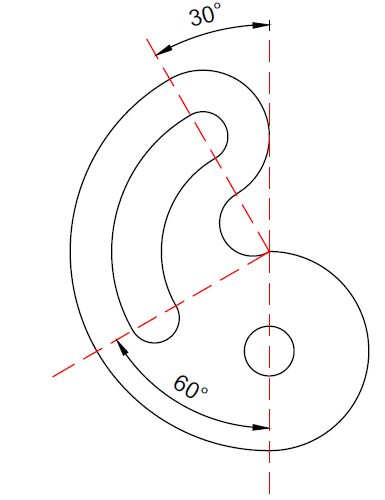
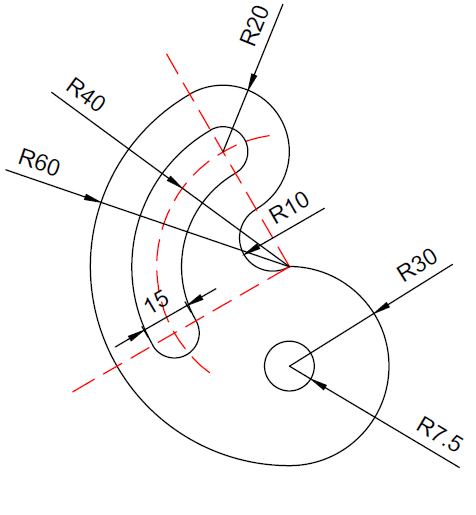
The following are the images we are going to be using today.

FIGURE 1
 

learn-AutoCAD

FIGURE 2

learn-AutoCAD

EXECUTION

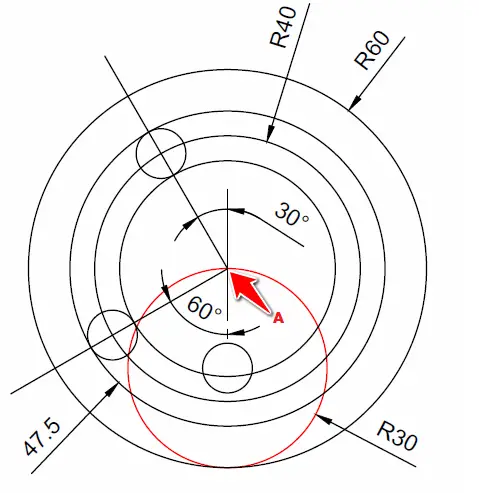
Start by creating the following.
learn-AutoCAD

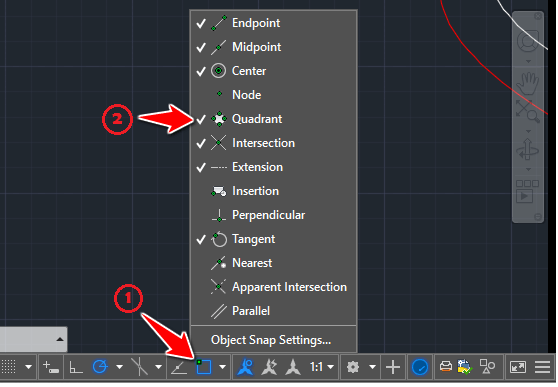
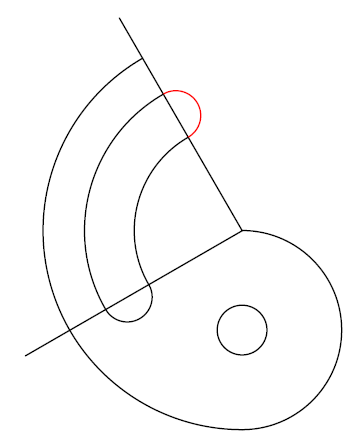
The first object you should create is the red circle. Then make sure the QUADRANT mode is activated in the Object snap settings, this will help you snap the center of those big circles at the point A.
learn-AutoCAD

(Right click on 1 and tick 2)

After proper trimming you will end up with the following image
learn-AutoCAD

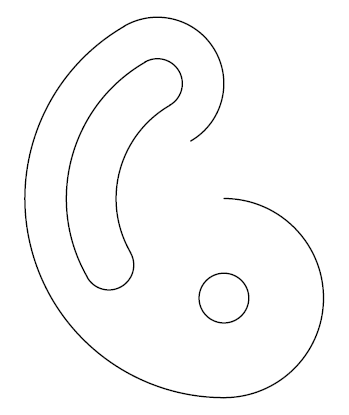
Use the OFFSET command on the red part to obtain the following. OFFSET distance = 12.5 units
learn-AutoCAD

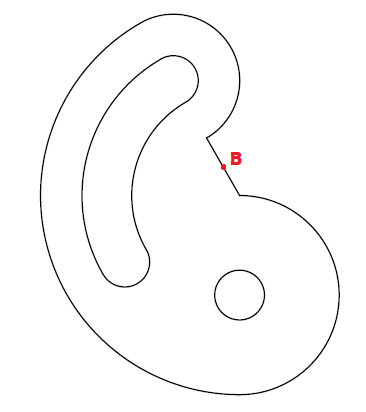
Draw a line from the two openings of the object, and create a circle using the middle point B of the line you have just created.
learn-AutoCAD

We have not talked about the small circles 30 and 60 degrees away from the vertical. Using techniques we have used to create objects in previous DAYS, those should not be a problem.

Categories
Post

What is Architecture ?

As an architect I am in constant flux of what it is I do. I don’t construct buildings or fund projects — I design. But what the hell does that mean?

The architectural profession has done a horrible job of conveying A) what it is that architects do, and B) why we’re even necessary to society. We can postulate the essence of architecture, and we can criticize architecture on both a theoretical and substantive level, but can we even define what architectural design means?

At least at this point in my life, and this place in time and space, I define architectural design as problem solving by adding value. To try to break it down to its most simplistic state, we design to solve a problem. But design goes beyond just solving problems. I solve problems in my black-belt Sudoku puzzle book (truth be told, I’m more like an orange belt), but that’s not design. Where’s the value to society? Who really benefits by me sitting in the bathroom filling out squares with a number between one and nine?
10848616_845398418860123_415058118555106134_o
There’s always been that faint distinction between art and architecture (at least by my turtleneck-wearing brethren), but the true difference is that art doesn’t solve a problem. Sure, it inspires the uninspired, and it ruminates the people who can’t tie their own shoes, but it doesn’t solve a problem. Likewise, architecture that doesn’t solve a problem, such as not fulfilling the intended program of the building, becomes art. If people can’t use the building, then what problem was solved? (Yes, you’ve kept the elements out, and bears are deterred from attacking the inhabitants, but if the program is not fulfilled then the building’s not very useful.)

Nestlé Chocolate Museum / Rojkind Arquitectos. Image © Paúl Rivera

I don’t want to come across as someone who thinks architecture should fulfill its utilitarian purpose and be good. I think every piece of architecture not only can inspire but should inspire. To make bad architecture into great architecture takes a little more effort (although it typically takes a whole lot more talent).